The short answer
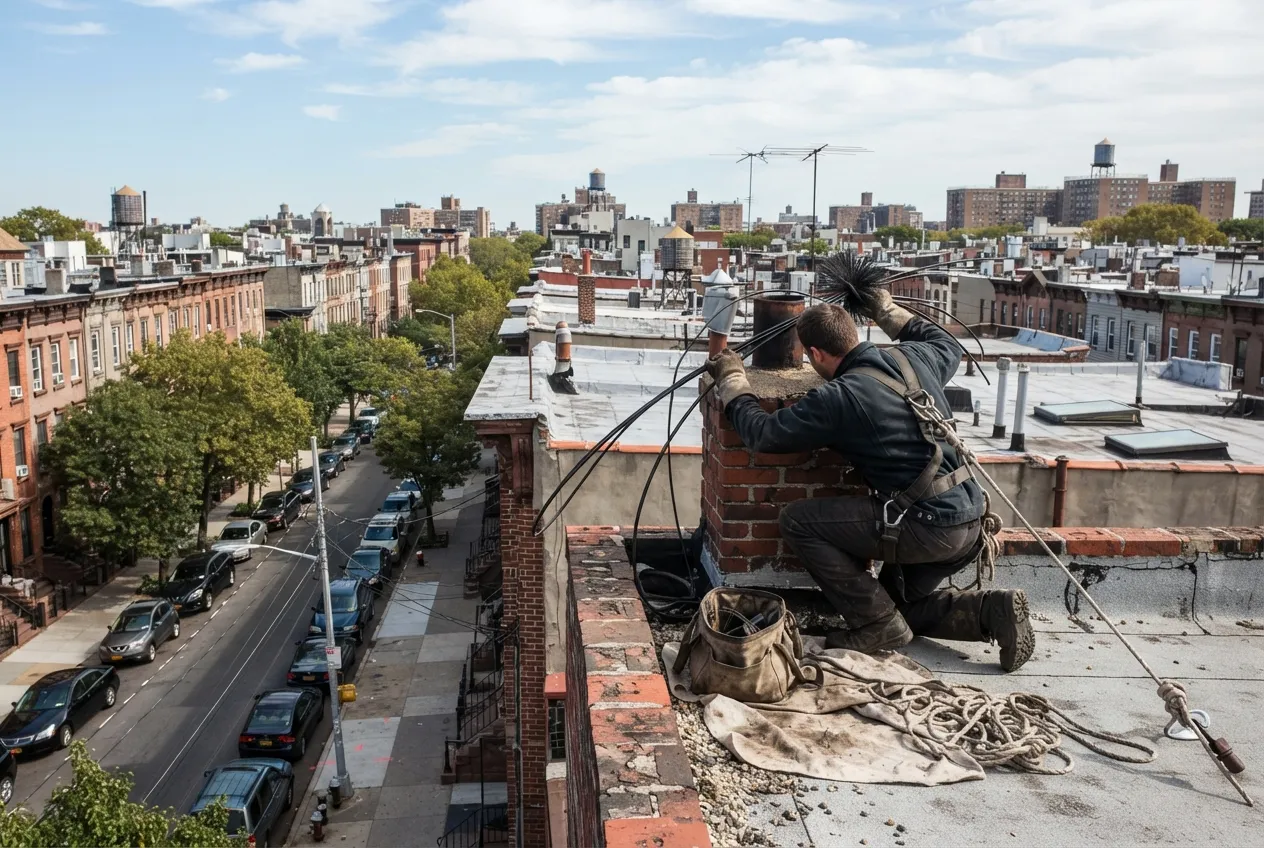
Most chimney repairs in South Williamsburg involve water damage to brick, mortar, crowns and flashing, or worn flue liners in older buildings. Expert Chimney Sweep inspects the chimney, explains what needs attention, and repairs it, ideally before New York City's heat season begins on October 1.
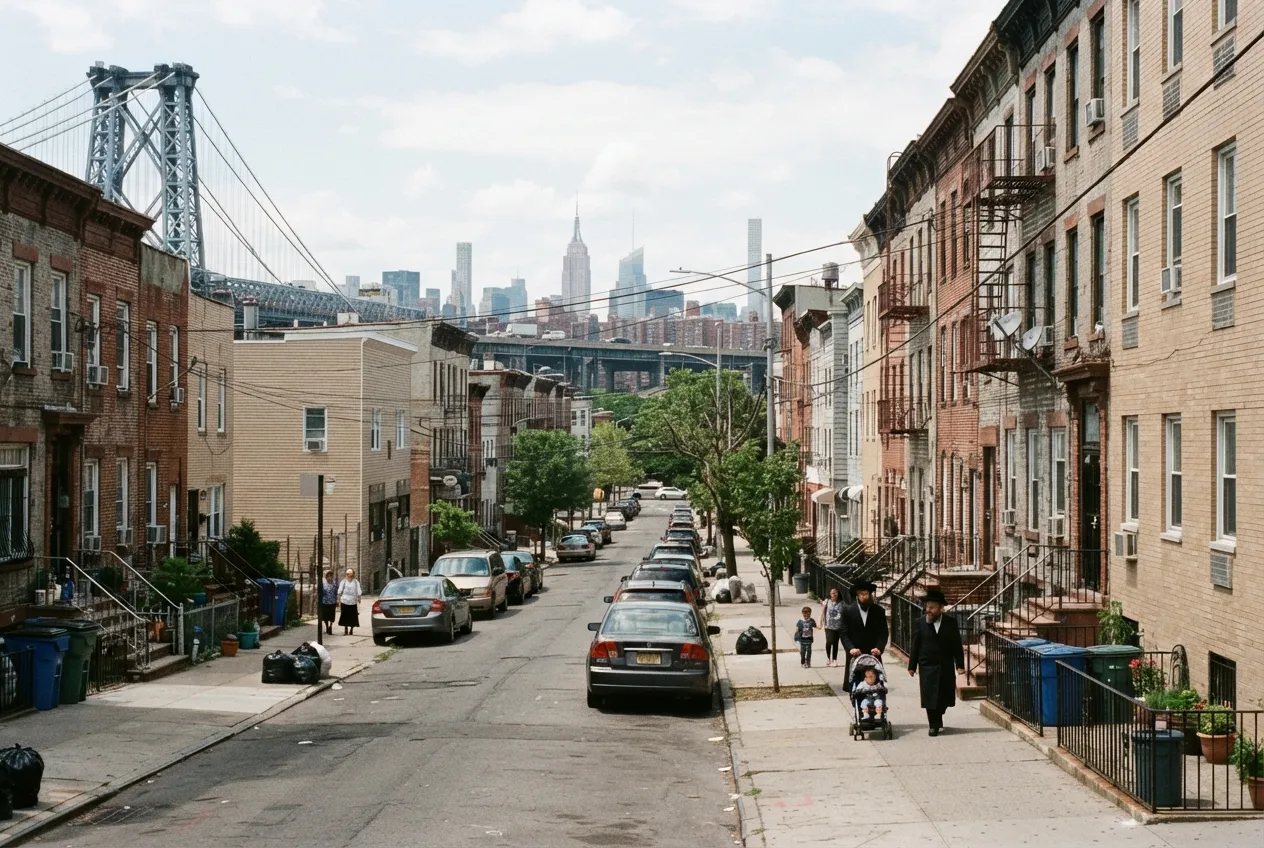
South Williamsburg's housing is mostly brick: rowhouses, brownstones, pre-war walk-ups and larger apartment buildings, with newer construction mixed in. The chimneys on these buildings deal with freeze-thaw winters, years of heating, and changes in what's burning below them. Expert Chimney Sweep repairs chimneys for homeowners and building owners throughout the 11249 area, working from our office in Clinton Hill about a mile to the south. Our certified technicians inspect first, explain what they find in plain terms, and repair what needs fixing.
Common Chimney Problems in South Williamsburg Buildings
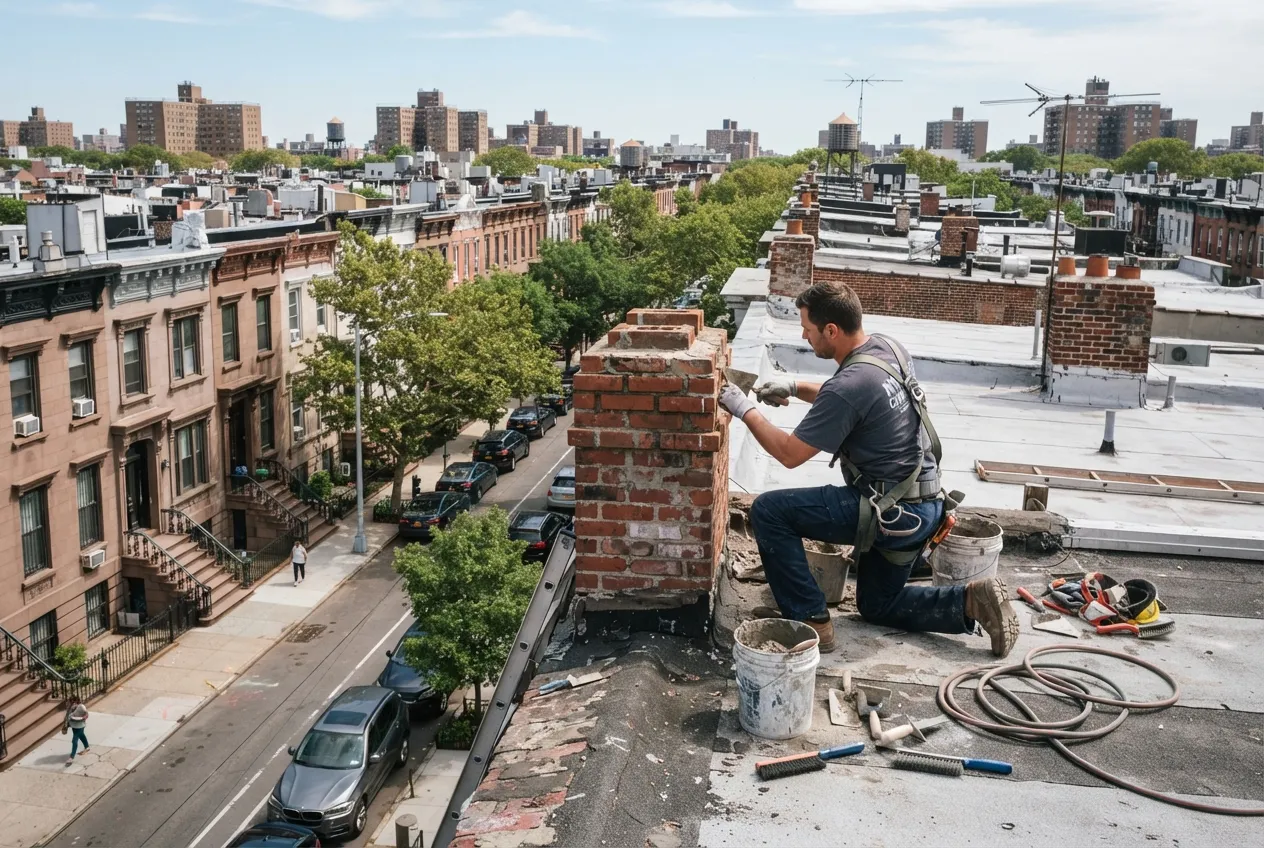
Most of the chimney damage we see in older Brooklyn buildings comes from water. Rain and snow soak into brick and mortar, freeze, expand, and slowly break the masonry apart from the outside in. Once water gets past the crown or flashing, it can stain ceilings, damage framing near the chimney, and speed up deterioration of the flue.
On rowhouses and walk-ups, chimneys often sit along a party wall or rise well above a flat roof, which leaves them exposed on every side. These are the repairs we handle most often:
- Cracked or crumbling crowns that let water straight into the stack
- Eroded mortar joints that need repointing before bricks loosen
- Spalling brick, where the face of the brick flakes or pops off
- Failed flashing where the chimney meets the roof, a common cause of interior leaks
- Missing or rusted chimney caps that let in rain, debris and animals
- Cracked, gapped or deteriorated flue liners
Oil-to-Gas Conversions and Chimney Liners
Many pre-war apartment buildings in the neighborhood were built to heat with oil. When a New York City building converts its boiler from oil to gas, the chimney has to be evaluated as part of that work. A new liner is often needed because gas exhaust produces acidic condensate that can corrode a masonry flue from the inside.
If you're planning a conversion, or you finished one without having the chimney checked, we can inspect the flue, tell you whether the existing liner is suitable, and install a properly sized liner if it isn't. Bringing us in early, alongside your heating contractor, helps keep the project from stalling near the end.
Plan Repairs Around Heat Season
New York City's heat season runs from October 1 through May 31. During that time, building owners must keep apartments heated to the city's minimum temperatures. A chimney problem found in January can put you in a tough spot, because many repairs require shutting the boiler down while the work is done.
For landlords and co-op boards, late spring and summer are the practical window for liner installs, crown replacements and partial rebuilds. Mild weather also helps fresh masonry cure properly. If you notice leaks, debris falling into the firebox or boiler room, or a boiler that isn't drafting well, have it looked at right away instead of waiting for fall.
Time for your annual chimney check?
What to Expect From a Repair Visit
Every repair starts with an inspection. The NFPA 211 standard calls for chimneys, fireplaces and vents to be inspected once a year, and it describes three levels. A Level 1 inspection is used when nothing about the system has changed. A Level 2 inspection is called for when the system changes, such as a new appliance or a switch in fuel, or when the home is sold. A Level 3 inspection is used when a hidden hazard can only be reached by opening part of the chimney or building.
After the inspection, we show you photos of what we found. We explain which repairs matter for safety now and which can be planned for later, and we give you a written scope before any work begins.
Serving South Williamsburg and Nearby Neighborhoods
Our office is in Clinton Hill, so South Williamsburg is close to home for our crews. Along with the 11249 area, we handle chimney repair in Clinton Hill, Fort Greene, Bedford-Stuyvesant, Downtown Brooklyn and DUMBO. The brownstones, rowhouses and older apartment buildings in these neighborhoods share many of the same chimney problems. Whether you have a single fireplace chimney or a boiler flue serving a whole building, our approach is the same: inspect, explain, then repair.
More services in South Williamsburg
- Chimney Sweep in South Williamsburg
- Chimney Inspection in South Williamsburg
- Air Duct Cleaning in South Williamsburg
- Chimney Liner Installation in South Williamsburg