The short answer
Air duct cleaning is worth doing in a Park Slope home when there is substantial visible mold, signs of rodents or insects, or excessive dust and debris, such as after a renovation. It is not a proven way to prevent health problems, so we inspect first and recommend cleaning only when the condition of your ducts calls for it.
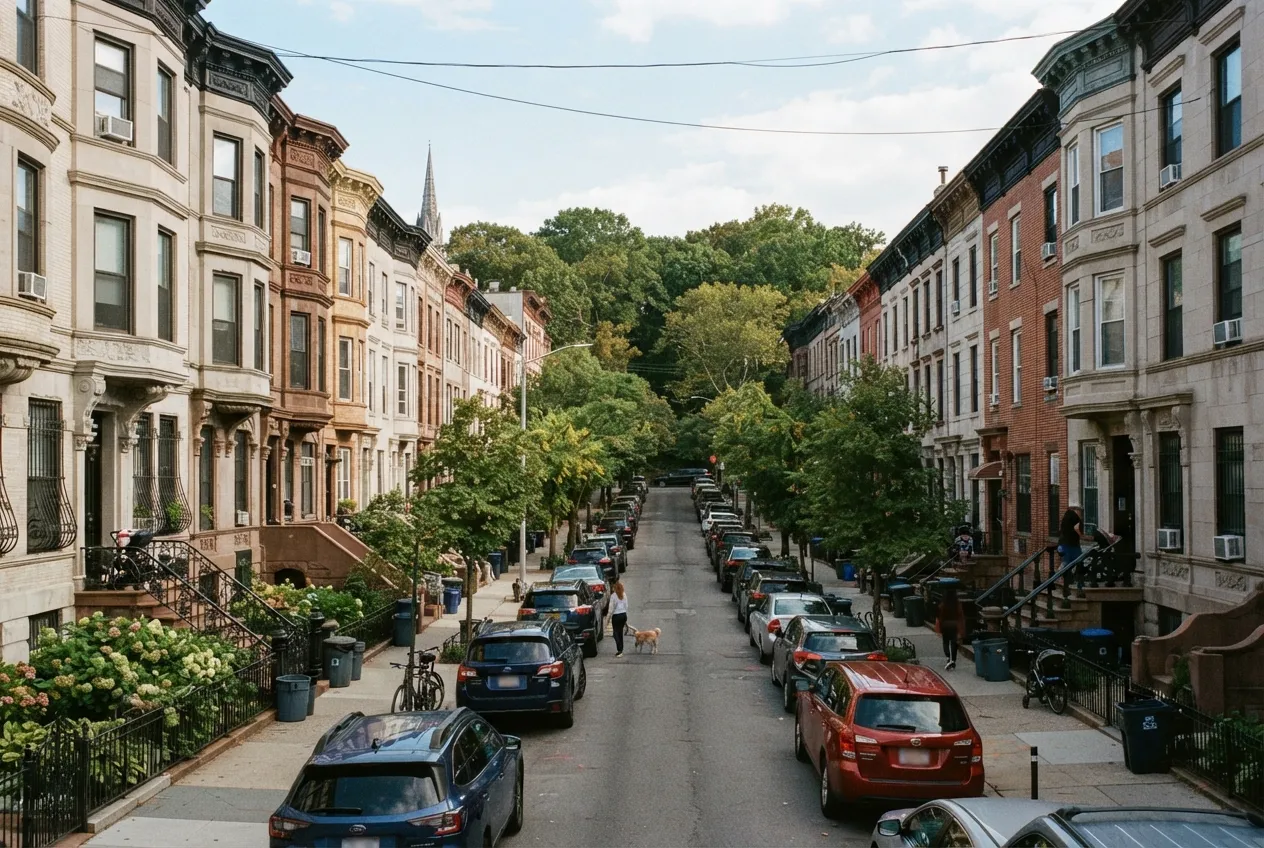
Many Park Slope brownstones, rowhouses and pre-war apartment buildings were built long before central air or forced-air heat existed. Their ductwork was added later, often during a renovation, and routed through closets, soffits, dropped ceilings and top-floor crawl spaces. Our certified technicians clean these systems for homeowners across ZIP code 11217. Our office in Clinton Hill is about a mile northeast, so Park Slope is part of our regular service area. We'll tell you plainly whether your ducts actually need cleaning before we do any work.
When Duct Cleaning Makes Sense for Your Home
The U.S. Environmental Protection Agency advises cleaning air ducts in three situations: substantial visible mold growth, vermin, or excessive dust and debris. The EPA also notes that duct cleaning has not been shown to prevent health problems. We follow the same practical approach and look for a real reason before recommending the service.
In Park Slope homes, these are the conditions we run into most often:
- Fine plaster, drywall or sawdust left in the ducts after a gut renovation, kitchen remodel or floor refinishing
- Debris blowing out of supply registers when the system starts up
- Mouse droppings, nesting material or insect activity inside duct runs, especially in older rowhouses with shared walls
- Visible mold on duct surfaces, coils or drain pans, often near air handlers installed in attics or closets with poor ventilation
- A new owner who has no record of when, or whether, the ducts were ever cleaned
How Ductwork Is Laid Out in Brownstones and Rowhouses
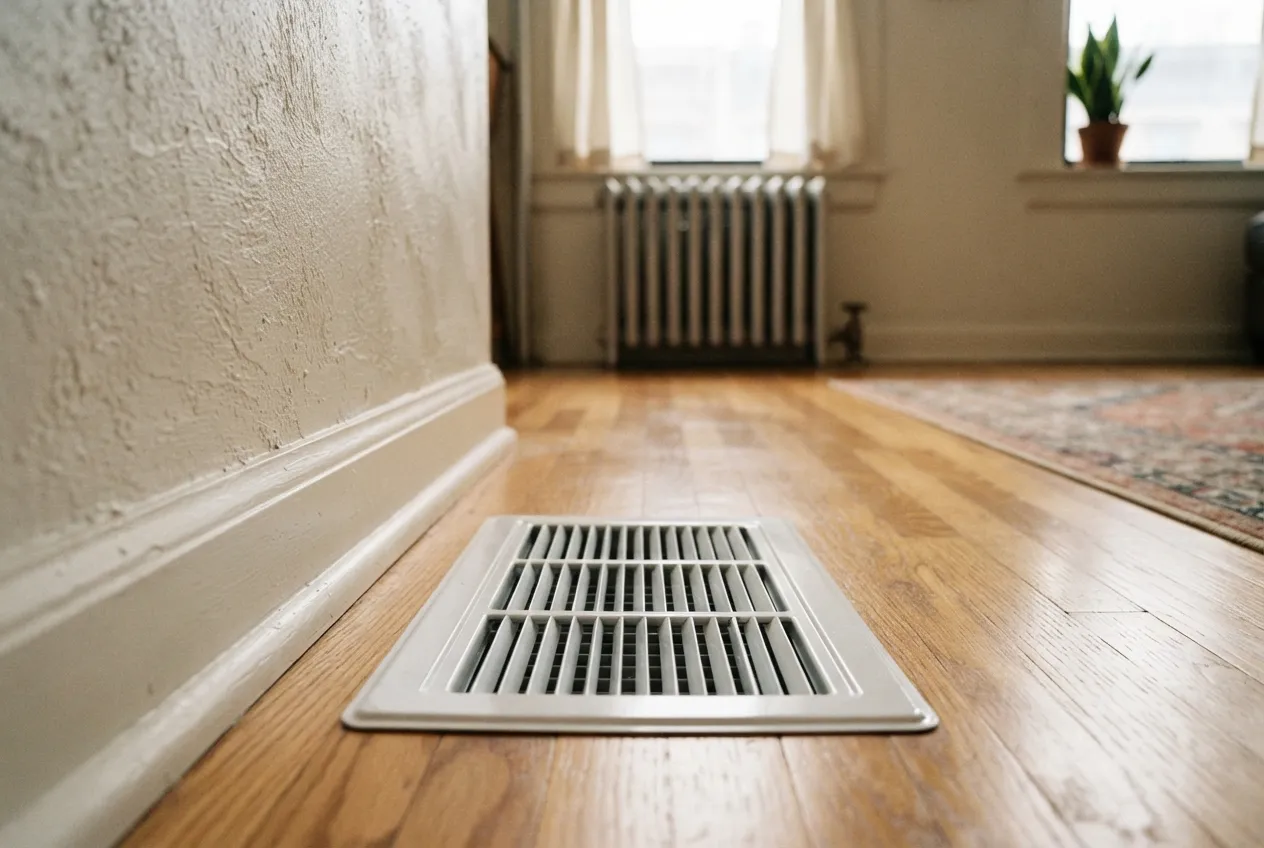
Because most homes in the neighborhood weren't designed for ducts, the systems tend to be fitted in wherever there was room. A brownstone might have an air handler on the top floor feeding short runs down through stacked closets. Another might have a basement furnace serving the lower floors and a separate system for the upper floors. Some renovations use small-diameter, high-velocity ducts that snake through tight spaces. Pre-war apartments and co-op units often have a single air handler hidden above a hallway or bathroom ceiling.
Each layout needs a different approach. Long vertical runs, tight bends and hard-to-reach air handlers all affect how we reach and clean the system. Before we start, we locate every supply and return, confirm where the air handler is, and plan access so we aren't opening finished walls or ceilings.
What Happens During a Cleaning Visit
We start with an inspection of the registers, the visible duct interiors and the air handler. If cleaning isn't warranted, we'll tell you. If it is, we put the system under negative pressure so loosened debris is pulled out of the house rather than pushed into your rooms. Then we work through the supply and return runs with rotary brushes and compressed-air tools.
We also clean the parts of the system the EPA says should be included in a proper job: the supply and return registers and grilles, the blower, and the accessible areas around the coils and drain pan. Cleaning only the ducts while leaving a dirty blower or coil in place just re-contaminates the system. Floors and furnishings near each opening are covered while we work, and we show you the condition of the system before and after.
Time for your annual chimney check?
Be Careful with Cheap Offers and Chemical Treatments
The EPA warns consumers to research the process before responding to very cheap advertised duct cleaning offers. Those offers often lead to an aggressive upsell once the crew is inside. The EPA also urges caution with chemical treatments, such as biocides or sealants sprayed into ducts. We don't apply chemicals as a routine add-on. If mold is present, we focus on removing it and finding the moisture source behind it, and we explain any treatment option and its tradeoffs so you can decide.
Pairing Duct Cleaning with Dryer Vent Service
Many Park Slope homes have a dryer vent that runs a long or awkward path to the outside, sometimes through a back wall or up to the roof. According to the U.S. Fire Administration, failure to clean is the leading factor contributing to clothes dryer fires in homes. If you're scheduling duct cleaning, it's a good time to have the dryer vent cleaned on the same visit. We serve homes in nearby Prospect Heights, Carroll Gardens, Fort Greene, Clinton Hill and Downtown Brooklyn as well.
More services in Park Slope
- Chimney Sweep in Park Slope
- Chimney Inspection in Park Slope
- Chimney Repair in Park Slope
- Chimney Liner Installation in Park Slope