The short answer
A chimney liner is often needed in Fort Greene when an older masonry flue is cracked, unlined, or connected to a new gas appliance after an oil-to-gas conversion. Expert Chimney Sweep inspects the flue first, then installs a liner sized to the appliance it serves.
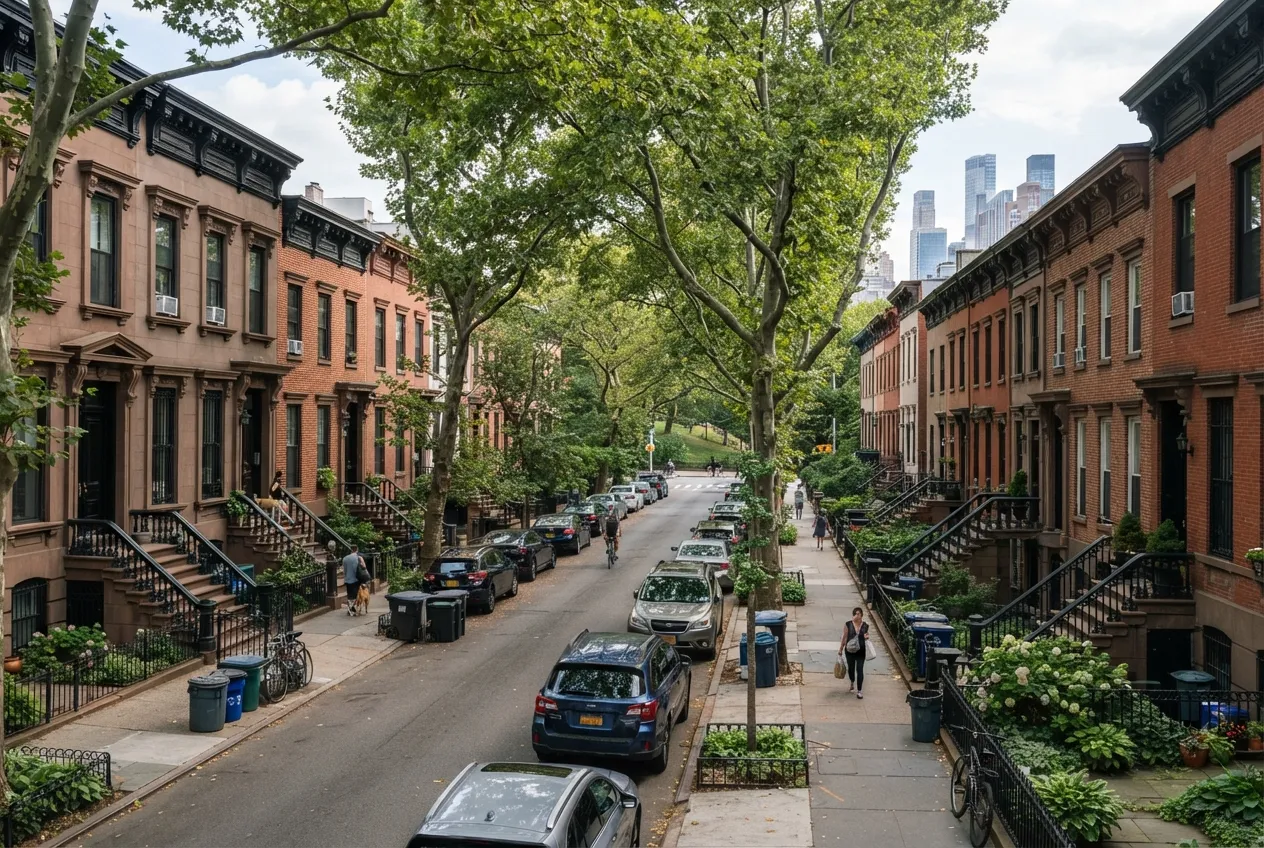
Many Fort Greene homes were built long before modern heating equipment, and their chimneys show it. Brownstones, rowhouses and pre-war apartment buildings in the neighborhood often have original masonry flues: clay tile, or sometimes no liner at all. Those flues were not designed for today's gas boilers, water heaters or high-efficiency appliances. Expert Chimney Sweep installs chimney liners for homeowners and building owners in Fort Greene (ZIP 11205). Our office in Clinton Hill is about a mile southeast of the neighborhood, so we can get to you quickly for an evaluation. Here is what to know about relining, when it is needed and how the work is done.
Why Older Fort Greene Chimneys Often Need Relining
A liner is the inner channel that carries smoke and exhaust out of your home. It protects the surrounding brick from heat and corrosive byproducts, and it keeps the flue the right size for the appliance it serves. In older Brooklyn masonry, the original clay tiles may be cracked, shifted or missing mortar. Some chimneys were never lined at all.
Shared walls make this more important. In attached rowhouses and brownstones, a damaged flue can let exhaust or heat travel into spaces where it shouldn't be, including a neighbor's wall. A sound, correctly sized liner keeps exhaust inside the chimney and moving out of the building.
Signs Your Chimney May Need a New Liner
You usually can't see a liner problem from inside the house. These are the most common reasons we recommend relining:
- Your building is converting its boiler from oil to gas
- You are installing a new furnace, boiler, water heater or fireplace insert
- An inspection or camera scan shows cracked, gapped or missing flue tiles
- Pieces of tile or masonry are falling into the firebox or cleanout
- White staining, moisture or crumbling mortar appears on the chimney
- Exhaust odors or poor draft from a fireplace or appliance
Oil-to-Gas Conversions and Liners
Many Fort Greene buildings that once burned heating oil are switching to gas. When a New York City building converts its boiler from oil to gas, the chimney has to be evaluated as part of the work. A new liner is often required. Gas exhaust produces acidic condensate, and that moisture can corrode an unprotected masonry flue over time.
A flue that worked for an oil burner is also frequently too large for a gas appliance. An oversized flue cools exhaust too quickly, which adds to condensation and can weaken draft. We measure the appliance's requirements and size the new liner to match. If you are planning a conversion, bring us in early so the chimney work fits your schedule instead of holding it up.
Time for your annual chimney check?
How We Install a Chimney Liner
Every job starts with an inspection. The NFPA 211 standard calls for chimneys, fireplaces and vents to be inspected once a year. It describes a more detailed Level 2 inspection when a system changes, such as a new appliance or a switch of fuel, or when a home is sold. A relining project almost always falls into that category, so we look closely at the full length of the flue, usually with a camera.
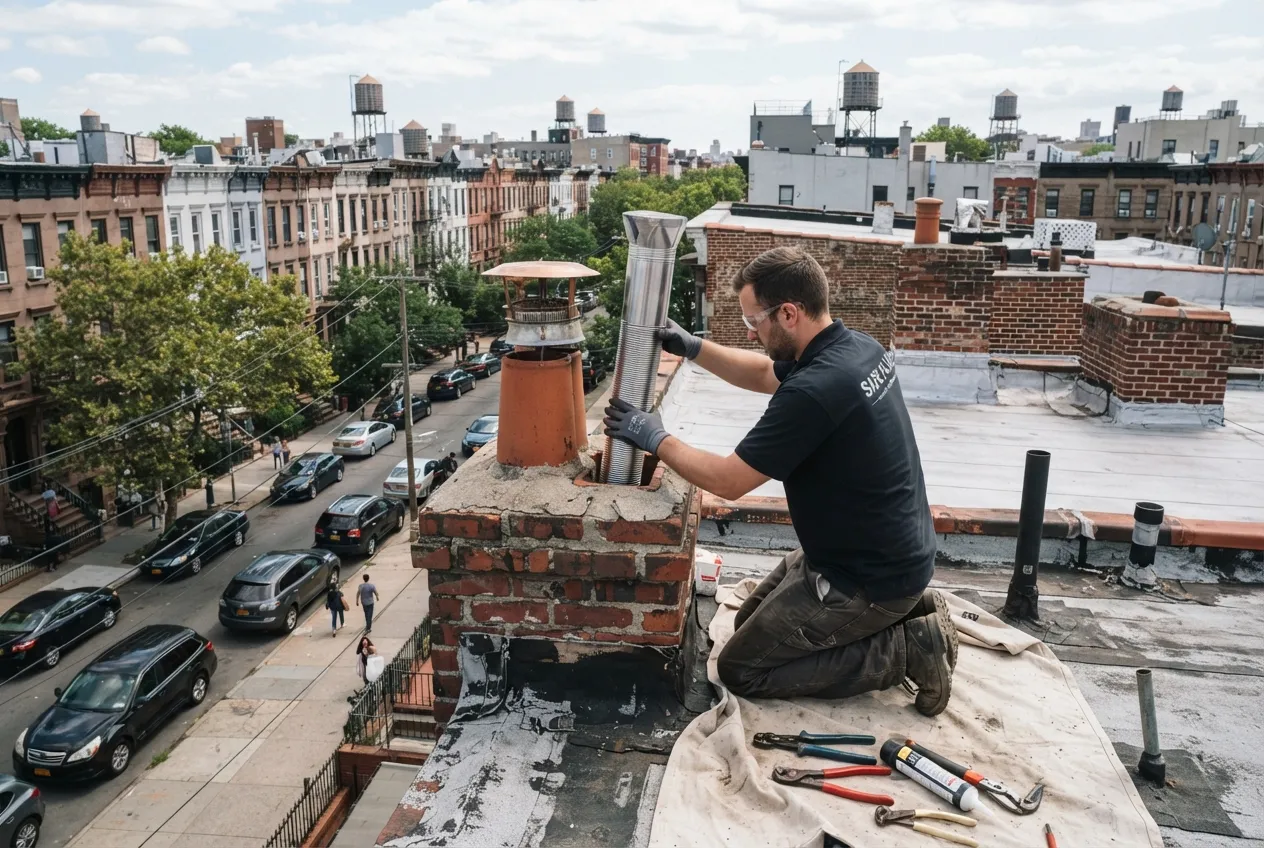
From there, our certified technicians recommend a liner suited to your chimney and appliance. For gas and oil appliances, that is commonly a stainless steel liner. For some fireplace chimneys, a cast-in-place or other masonry-compatible option may be a better fit. We explain the choices and why one makes sense for your home.
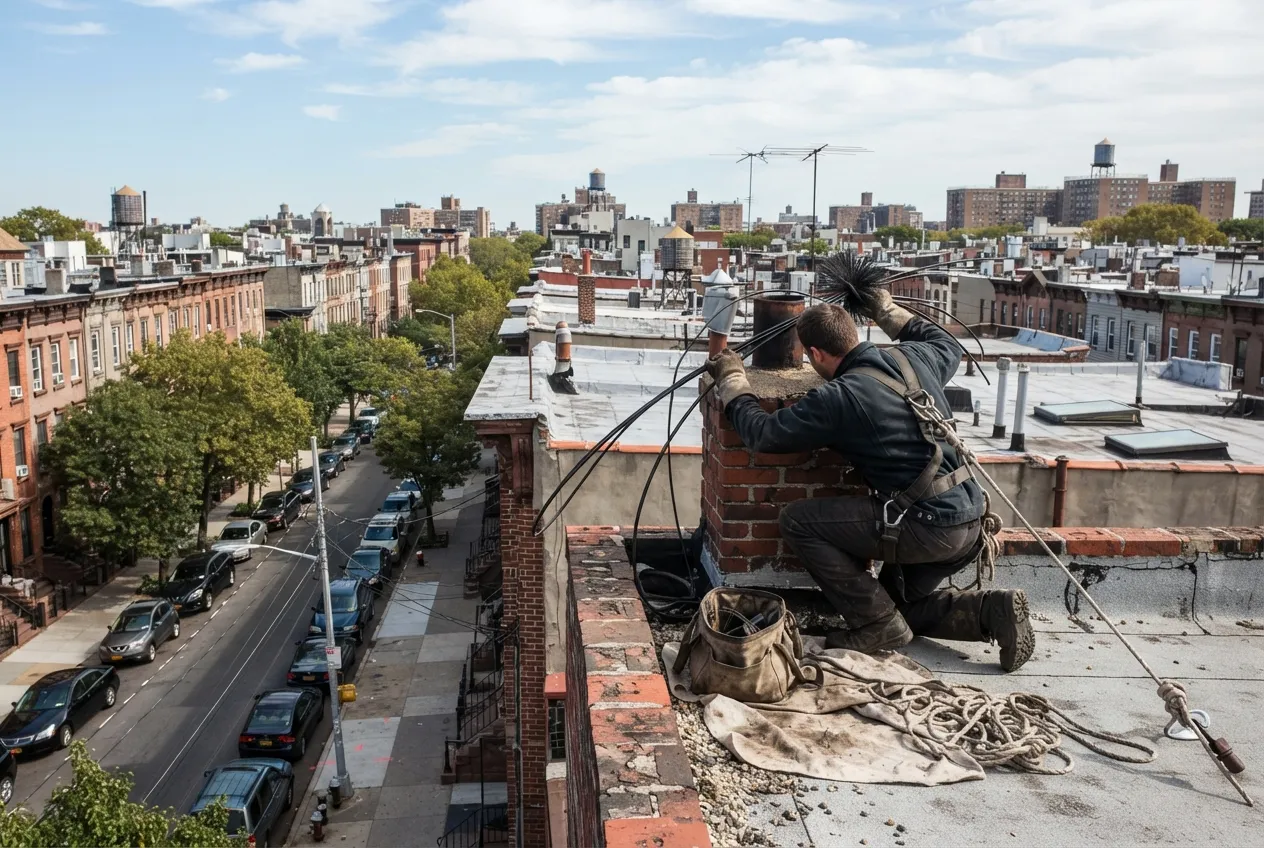
Installation typically includes cleaning the flue, lowering the liner from the roof, connecting it to the appliance, and fitting a cap at the top to keep out rain and debris. Because Fort Greene roofs are often flat and shared along a row of houses, we plan roof access carefully and protect interior spaces where we work.
Timing Your Liner Work Around Heat Season
New York City's heat season runs from October 1 through May 31. During those months, building owners must keep apartments heated to the city's minimum temperatures. If you own a multi-unit building in Fort Greene, relining a boiler flue in the middle of winter can mean a heating outage you have to manage. Scheduling an inspection in spring or summer gives you time to plan the work before heat is required again.
Single-family brownstone owners benefit from planning ahead too. Finding a liner problem before the first cold night is far easier than dealing with it once you rely on the heat.
Serving Fort Greene and Nearby Neighborhoods
We install chimney liners throughout Fort Greene and in nearby Clinton Hill, Downtown Brooklyn, DUMBO, Boerum Hill and Prospect Heights. Whether you own a single brownstone or manage a pre-war apartment building, we'll start with an inspection and give you a clear explanation of what your chimney needs.
More services in Fort Greene
- Chimney Sweep in Fort Greene
- Chimney Inspection in Fort Greene
- Chimney Repair in Fort Greene
- Air Duct Cleaning in Fort Greene