The short answer
Air duct cleaning makes sense when there is substantial visible mold, signs of rodents or insects, or heavy dust and debris inside the ducts, which follows U.S. EPA guidance. Our technicians inspect your Clinton Hill system first and clean only when there is a real reason. We also clean dryer vents, which are a common fire risk when neglected.
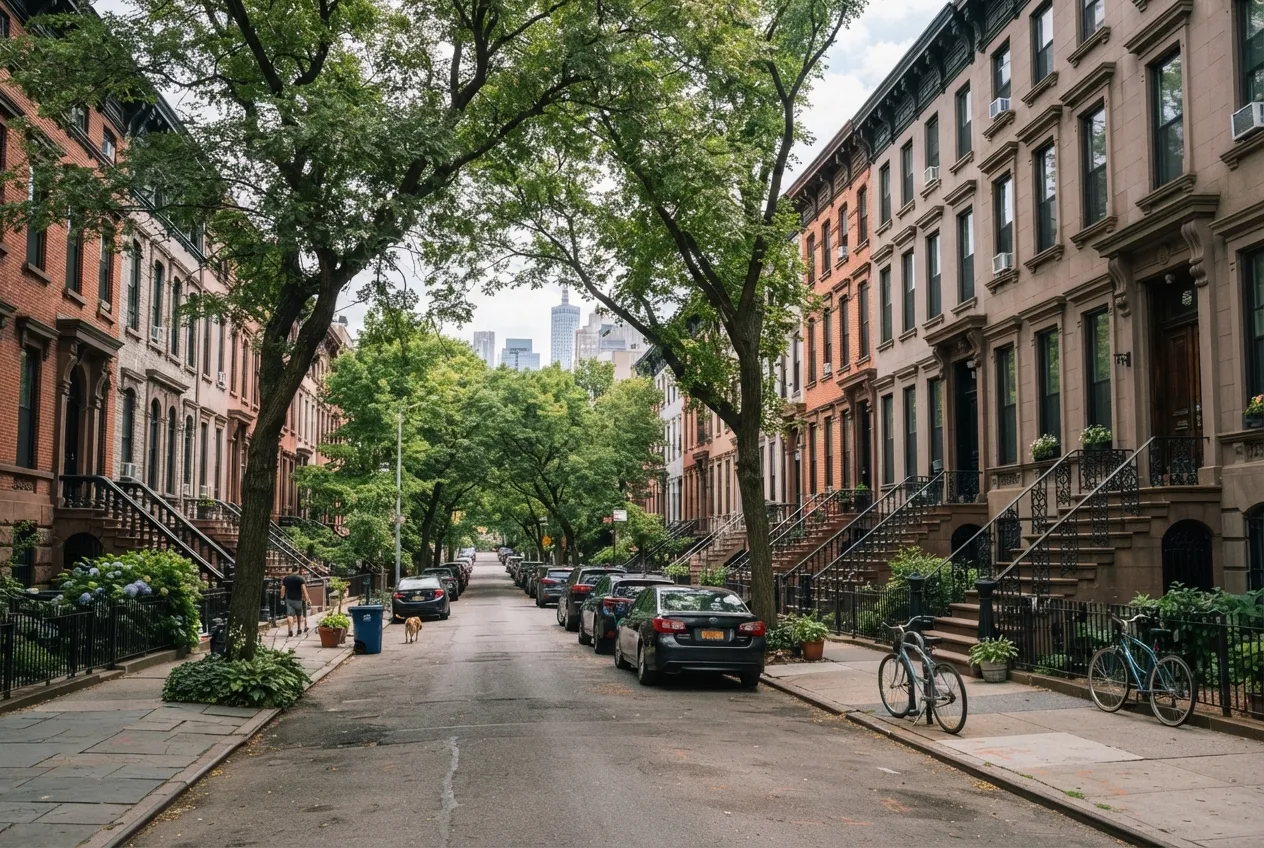
Clinton Hill homes are a mix of brownstones, rowhouses, pre-war apartment buildings, and some detached houses. Many of them were built long before central air or forced-air heat, so their ductwork tends to be added later, run through tight spaces, and serviced unevenly over the years. Our office is on Waverly Avenue in the neighborhood, so our technicians know these buildings. Before we recommend cleaning, we look inside your ducts and tell you plainly whether they need it.
When Duct Cleaning Is Actually Worth Doing
Not every home needs its ducts cleaned on a schedule. The U.S. EPA advises cleaning when there is a clear problem inside the system. It also notes that duct cleaning has not been shown to prevent health problems. We follow that guidance and won't tell you otherwise.
These are the situations where cleaning is reasonable:
- Substantial mold growth you can see inside ducts or on other parts of the heating and cooling system
- Evidence of rodents or insects, including droppings, nesting material, or odors coming from registers
- Excessive dust and debris, enough that it blows out of supply registers when the system runs
- Construction dust left in the ducts after a renovation, which is common when older Brooklyn homes are gut-renovated or updated
Ductwork in Clinton Hill's Older Homes
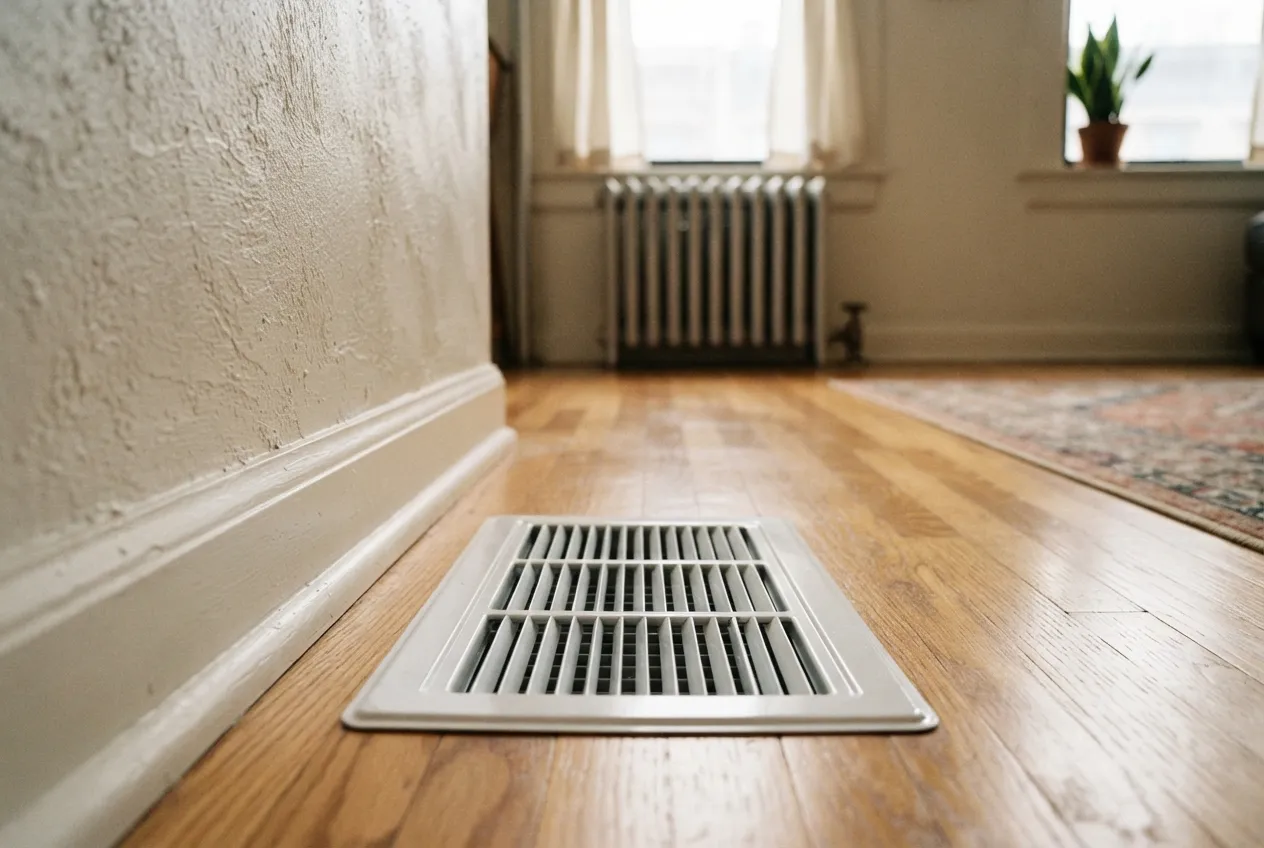
In brownstones and rowhouses, central air is usually a retrofit. Ducts often run through closets, soffits, attic spaces, or the cellar, with long horizontal stretches and tight bends that collect debris. Renovation dust is common here because these homes are frequently updated floor by floor.
Many pre-war apartment buildings have no ducted system. They use radiators with window units, through-wall units, or ductless mini-splits. If that describes your home, we'll say so rather than sell you a service you can't use. Ductless units need their own cleaning, which is a different job from duct cleaning.
Detached and larger homes with forced-air furnaces have full supply and return systems. Those can collect a lot of dust over time, especially near the return side and the blower.
How We Clean Your Ducts
Every job starts with an inspection. We open registers and access points, look inside the ducts, and show you what we find. If cleaning isn't warranted, we tell you.
When cleaning is needed, our certified technicians put the ductwork under negative pressure with a vacuum collection system. Then they loosen buildup with brushes and air tools so it's pulled out of the house instead of spread through it. We clean supply and return runs, registers, and grilles. We also check the areas around the blower and coil that feed dust back into the ducts.
The EPA advises caution with chemical treatments such as biocides and sealants. We don't apply them by default. If one is being considered, we'll explain what it is and why, and you decide. The EPA also warns about very cheap advertised duct cleaning offers. Ask any company exactly what they will clean and how before booking.
Time for your annual chimney check?
Dryer Vents Deserve the Same Attention
According to the U.S. Fire Administration, failure to clean is the leading factor contributing to clothes dryer fires in homes. In rowhouses and brownstones, dryer vents often run a long way to a rear wall or up toward the roof, and lint builds up in those long runs. Signs to watch for include clothes taking longer to dry, a hot laundry room, or a burning smell. We can inspect and clean your dryer vent during the same visit as your ducts.
Serving Clinton Hill and Nearby Neighborhoods
Our office is at 419 Waverly Ave in Clinton Hill, and we work throughout Brooklyn. Along with Clinton Hill, we regularly serve Fort Greene, Prospect Heights, South Williamsburg, Downtown Brooklyn, and DUMBO. Building owners with forced-air heat should keep New York City's heat season in mind. It runs from October 1 through May 31, when apartments must be kept heated to the city's minimum temperatures. Scheduling duct work on heating systems before or after that season keeps disruption for tenants to a minimum.
More services in Clinton Hill
- Chimney Sweep in Clinton Hill
- Chimney Inspection in Clinton Hill
- Chimney Repair in Clinton Hill
- Chimney Liner Installation in Clinton Hill