The short answer
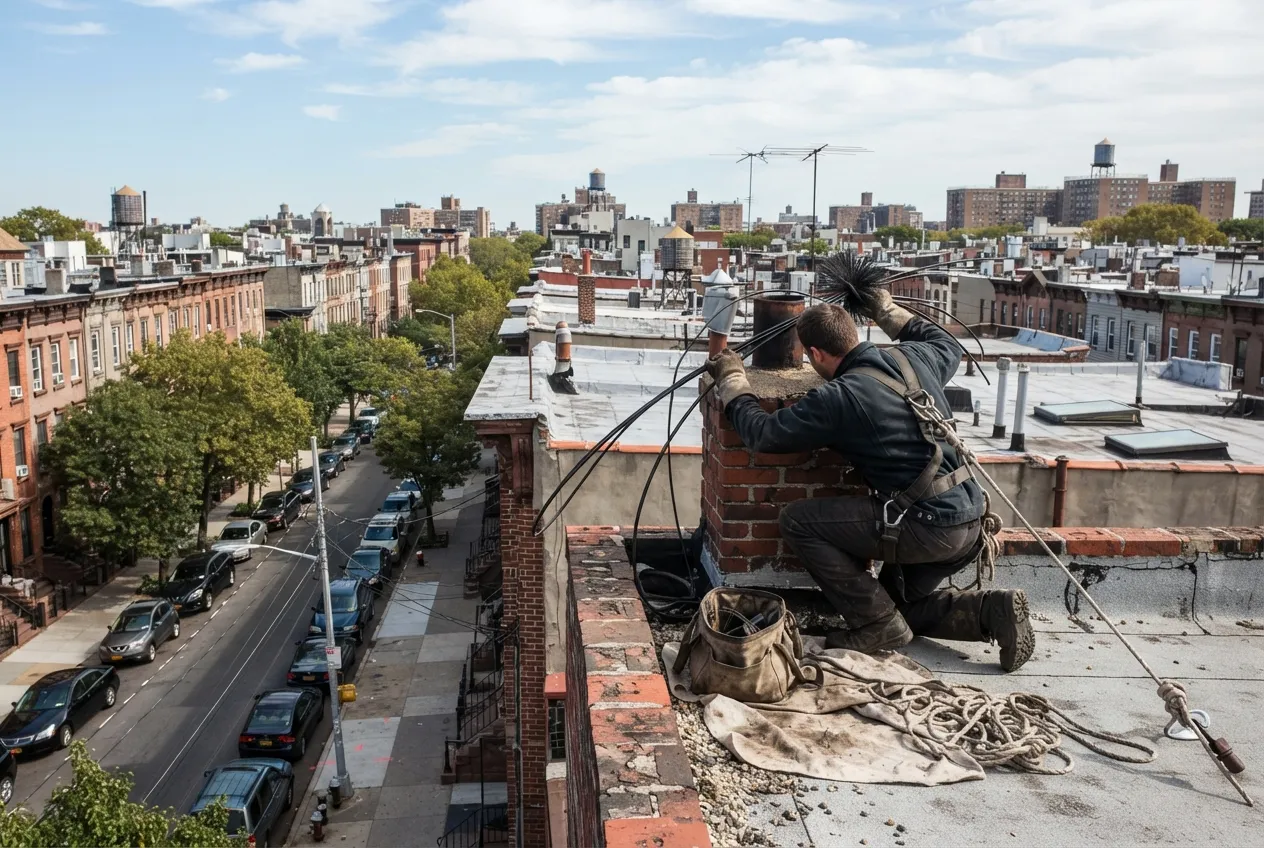
Expert Chimney Sweep repairs chimney masonry, crowns, flashing, liners, caps, and dampers for Prospect Heights brownstones, rowhouses, and pre-war buildings. Every repair starts with an inspection so the fix matches the actual problem. Buildings converting from oil to gas often need a new liner, and we evaluate that as part of the job.
Most chimneys in Prospect Heights have been standing for a long time, and many have been through decades of freeze-thaw cycles, roof work, and changes in heating fuel. Expert Chimney Sweep repairs chimneys on brownstones, rowhouses, and pre-war apartment buildings throughout the neighborhood. Our office in Clinton Hill is about a mile north, so we can schedule an inspection, explain what we find in plain terms, and fix the problems that actually affect safety and performance. We don't push work you don't need. If a chimney only needs a cleaning or a small fix, we'll tell you.
Common Chimney Problems in Prospect Heights Homes
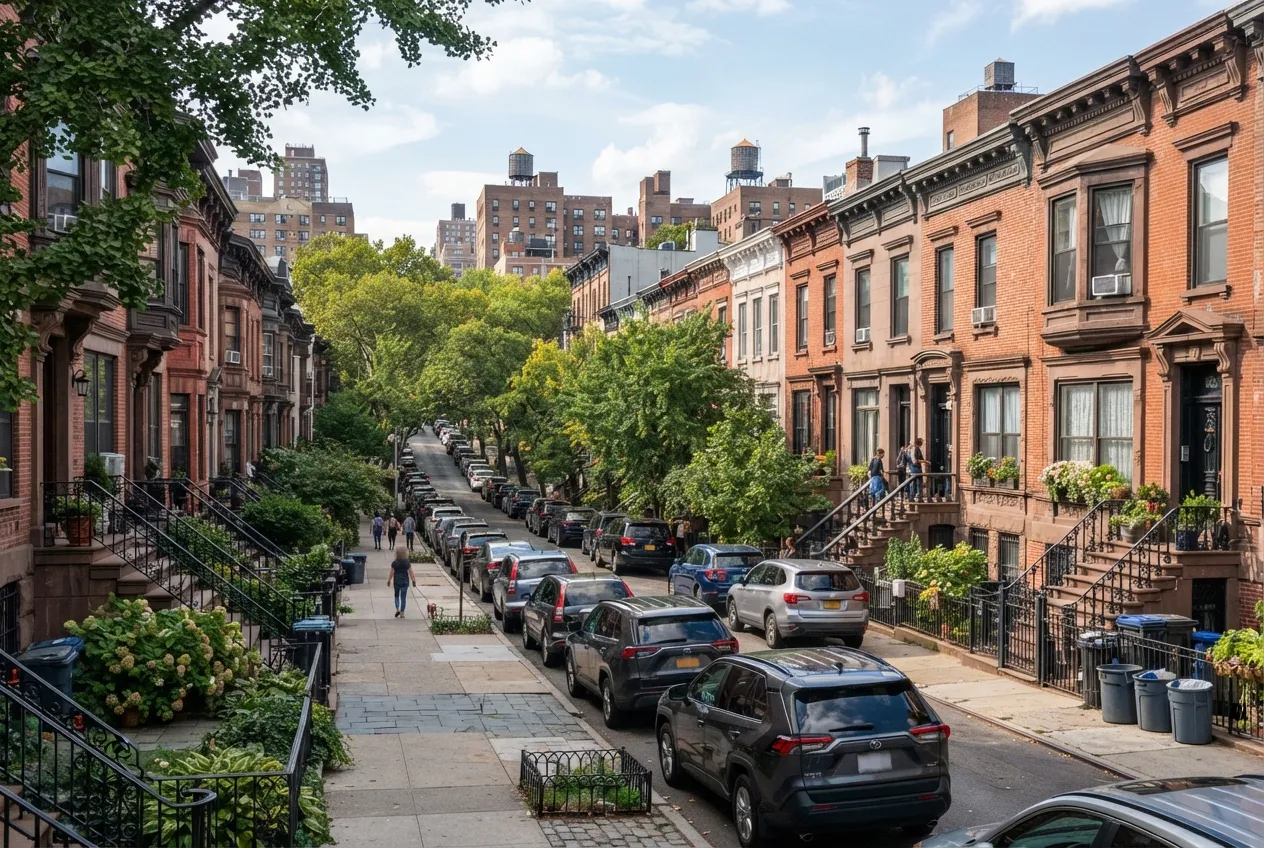
Much of the housing stock in Prospect Heights is older masonry construction: attached brownstones and rowhouses that share party walls, plus pre-war apartment buildings with tall boiler chimneys. These buildings were built to last, but their chimneys sit exposed above the roofline, where rain, snow, and wind do steady damage. In attached homes, a chimney problem can also affect the walls and roofs next door, so small issues are worth catching early.
The problems we see most often include:
- Cracked or crumbling mortar joints that let water into the brick
- Spalling brick, where the face of the brick flakes or pops off after water freezes inside it
- Cracked or deteriorated chimney crowns that let water run straight down into the chimney
- Failed flashing where the chimney meets the roof, a common source of ceiling and wall stains
- Damaged, cracked, or missing flue liners
- Rusted or stuck dampers and missing or broken chimney caps
- Water stains, efflorescence (white residue), or a damp smell near the fireplace
Chimney Repairs We Handle
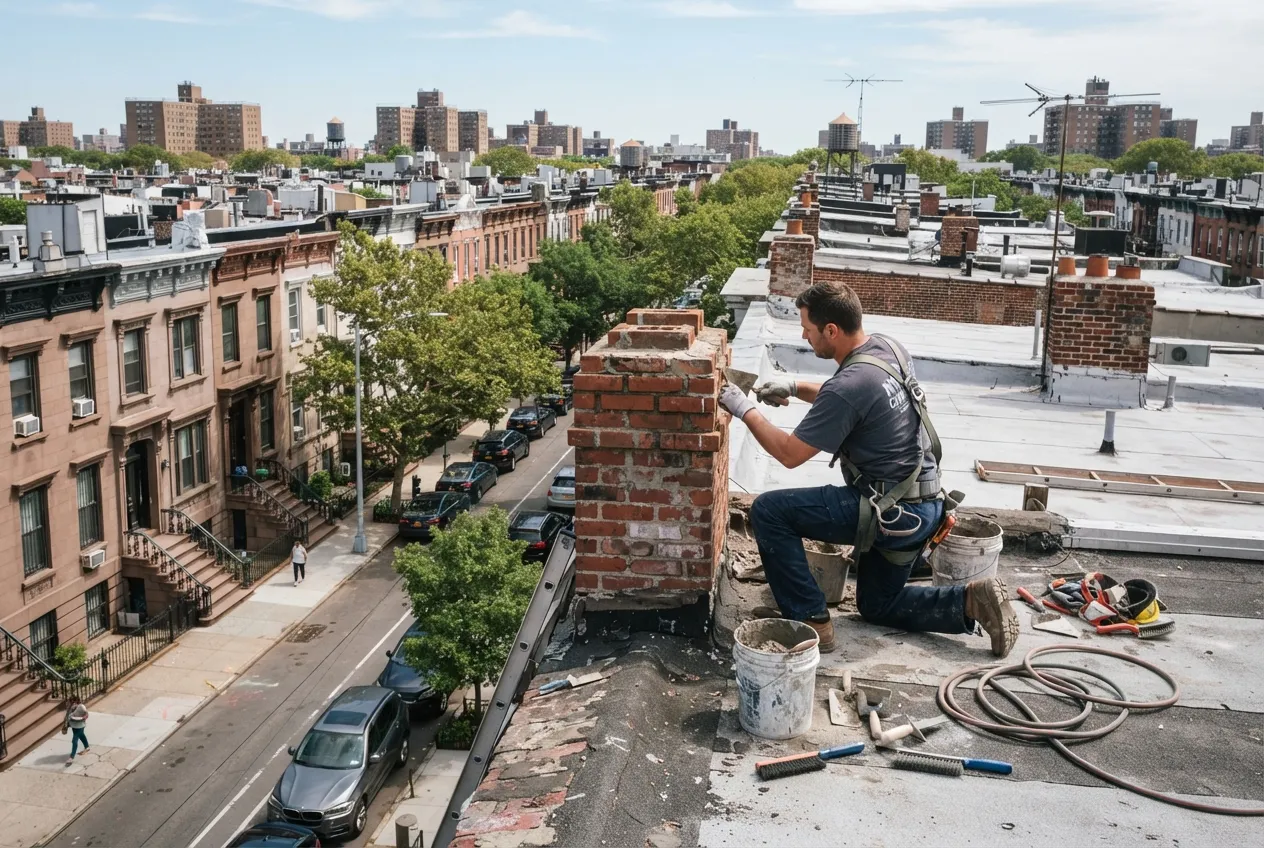
Our certified technicians handle masonry and component repairs for wood-burning fireplaces, gas appliances, and boiler and furnace chimneys. Typical work includes:
- Repointing: grinding out failing mortar and replacing it with a mortar suited to older brick
- Replacing damaged brick and partial chimney rebuilds above the roofline
- Crown repair, sealing, or full crown replacement
- Flashing repair and replacement at the roof line
- Flue liner installation and replacement, including stainless steel liners
- Chimney cap and spark arrestor installation
- Damper repair and top-sealing damper installation
- Smoke chamber and firebox repairs inside the fireplace
Oil-to-Gas Conversions and Chimney Liners
Many buildings in Prospect Heights have switched or are planning to switch boilers from oil to gas. When a New York City building converts from oil to gas, the chimney has to be evaluated as part of the work. A new liner is often needed because gas exhaust produces acidic condensate that can corrode a masonry flue from the inside, even when the outside of the chimney looks fine.
If your building is planning a conversion, we can inspect the existing flue, tell you whether a new liner is needed, and install one sized for the new appliance. Bringing us in early helps keep the chimney from becoming the step that holds up the rest of the project.
Time for your annual chimney check?
How a Chimney Repair Visit Works
Every repair starts with an inspection. The NFPA 211 standard calls for chimneys, fireplaces, and vents to be inspected once a year, and chimney professionals use three inspection levels. A Level 1 inspection fits when nothing about the system has changed. A Level 2 inspection is called for when the system changes, such as a new appliance or a fuel switch, or when the home is sold. A Level 3 inspection is used when a hidden hazard has to be reached by opening part of the chimney or building.
After the inspection, we walk you through what we found, show you photos where they help, and explain which repairs matter now and which can wait. For attached homes and multi-unit buildings, we plan roof access and protect shared surfaces before work begins.
Timing Your Repair Around Heat Season
New York City's heat season runs from October 1 through May 31. During that time, building owners must keep apartments heated to the city's minimum temperatures, so a boiler chimney problem in winter can create real pressure. For owners of multi-unit buildings, late spring and summer are the easiest times to handle liner work and masonry repairs without interrupting heat. Homeowners with fireplaces benefit from the same timing, since repairs are done before the first cold night.
We also serve nearby Park Slope, Clinton Hill, Fort Greene, Crown Heights, and Downtown Brooklyn.
More services in Prospect Heights
- Chimney Sweep in Prospect Heights
- Chimney Inspection in Prospect Heights
- Air Duct Cleaning in Prospect Heights
- Chimney Liner Installation in Prospect Heights