The short answer
The NFPA 211 standard calls for chimneys, fireplaces and vents to be inspected once a year, and Prospect Heights homes are no exception. A basic Level 1 inspection fits most homes where nothing has changed. A Level 2 inspection is called for when you buy or sell, add a new appliance, or switch fuels, such as an oil-to-gas boiler conversion.
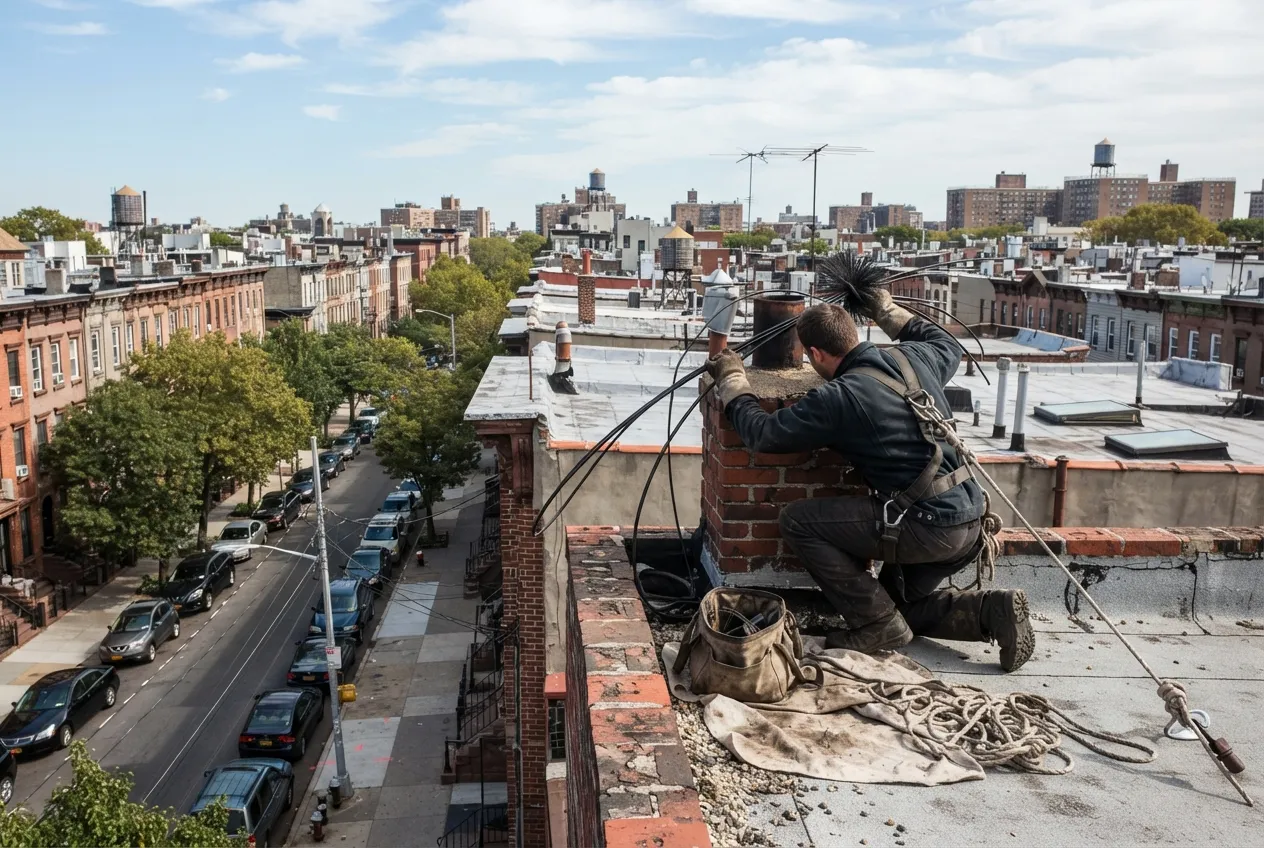
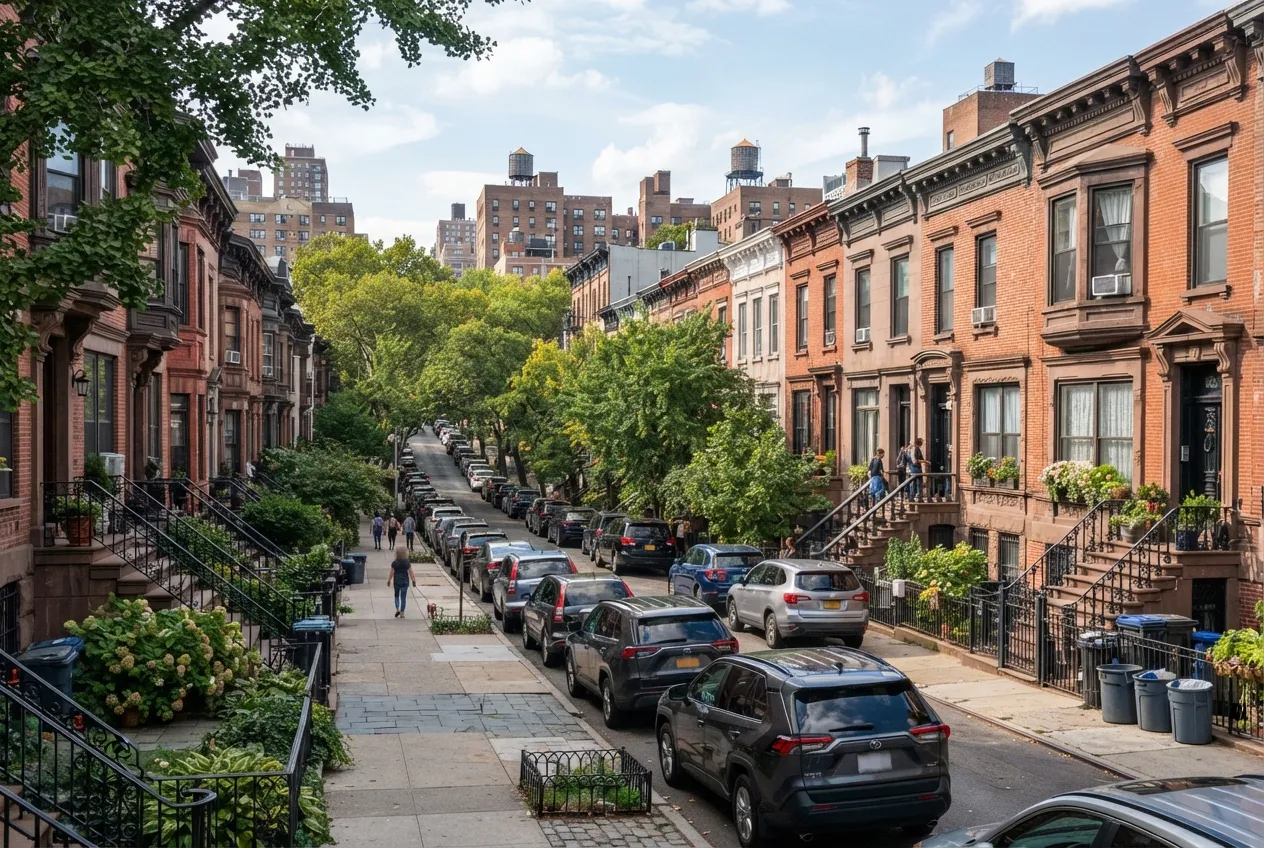
Many Prospect Heights homes are brownstones, rowhouses and pre-war apartment buildings. Their chimneys have often been heating Brooklyn living rooms and boilers for generations. Over that time, flues get relined, fireplaces get closed up or reopened, and heating systems change from coal to oil to gas. A chimney inspection tells you what condition your flue is actually in today. Expert Chimney Sweep is based in Clinton Hill, about a mile north of Prospect Heights, and our certified technicians inspect fireplace chimneys, boiler and furnace flues, and appliance vents across the neighborhood. Below is what an inspection covers, which level you likely need, and when to schedule it.
Why Older Prospect Heights Chimneys Need a Close Look
Attached rowhouses and brownstones often share chimney stacks and party walls with the buildings next door. A crack, gap or missing section of liner in one flue can let smoke or exhaust move where it shouldn't, including into a neighbor's space or a wall cavity. Older masonry flues were often built without liners, or with clay tile liners that have since cracked, shifted or lost mortar.
Fireplaces in these homes may have sat unused for years before a new owner decides to light them. Some have been converted to decorative use, and some vent a boiler or water heater in the cellar. An inspection sorts out what each flue serves and whether it's safe for that use.
Which Inspection Level Fits Your Home
The NFPA 211 standard describes three inspection levels. The right one depends on what has happened since the chimney was last checked.
- Level 1: For a chimney in regular use when nothing about the system has changed. We check the accessible parts of the chimney, the firebox or appliance connection, and the flue for blockages and deposits.
- Level 2: For a home being bought or sold, a new appliance, or a change in fuel type. It includes everything in Level 1, plus a closer look at the full length of the flue and accessible areas such as attics and cellars.
- Level 3: Only when there's reason to suspect a hidden hazard that can't be reached any other way. This means opening part of the chimney or building to get to it.
Oil-to-Gas Conversions and Chimney Liners
Plenty of Prospect Heights buildings have moved their boilers from oil to gas. In New York City, the chimney has to be evaluated as part of that conversion. Gas exhaust produces acidic condensate that can corrode an unlined or poorly lined masonry flue, so a new liner is often needed.
If your building has converted, or you're planning a conversion, a Level 2 inspection shows whether the existing flue can handle the new appliance or needs relining first. Doing this before the boiler goes in is much easier than finding damage after a season of use.
Time for your annual chimney check?
What We Check During an Inspection
Each inspection is matched to how your chimney is used. In most Prospect Heights homes, we look at:
- Creosote and soot buildup in wood-burning fireplace flues
- Blockages from nesting animals, leaves or fallen masonry
- Cracked, missing or deteriorated flue liner sections
- Damper operation and smoke chamber condition
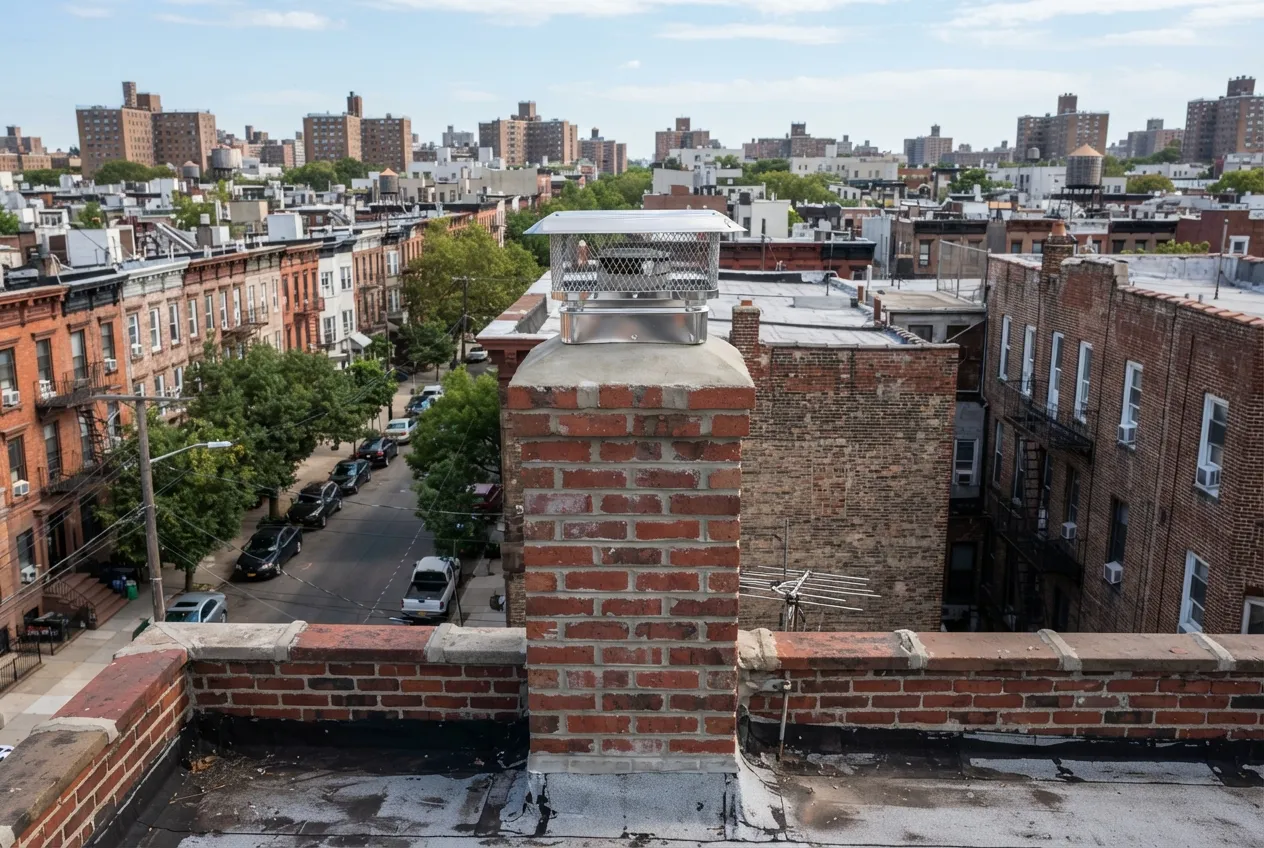
- Crown, cap and exterior masonry where accessible
- Connections between the boiler, furnace or water heater and the flue
- Signs of water entry, such as staining, spalling brick or rusted components
When to Schedule in Prospect Heights
New York City's heat season runs from October 1 through May 31. During that time, building owners must keep apartments heated to the city's minimum temperatures. A boiler flue problem found in January is harder to fix than one found in August. For apartment buildings and multi-unit brownstones, late summer and early fall are the practical time to book.
Homeowners with wood-burning fireplaces should also schedule before the first fire of the season. If you're buying a home in the neighborhood, ask for a Level 2 inspection during your due diligence period, before closing.
Serving Prospect Heights and Nearby Neighborhoods
Our office is in Clinton Hill, so Prospect Heights is a short trip for our crew. We also inspect chimneys in Park Slope, Crown Heights, Fort Greene, Clinton Hill and Downtown Brooklyn. Many of these neighborhoods have similar housing, with rows of attached masonry homes and pre-war buildings, and many of the same chimney concerns.
More services in Prospect Heights
- Chimney Sweep in Prospect Heights
- Chimney Repair in Prospect Heights
- Air Duct Cleaning in Prospect Heights
- Chimney Liner Installation in Prospect Heights