The short answer
DUMBO homes and buildings usually need a new chimney liner when the old one is cracked or deteriorated, when a new appliance is installed, or when a boiler converts from oil to gas. We inspect the flue first, recommend a liner sized for your appliance, and install it with as little disruption as possible.
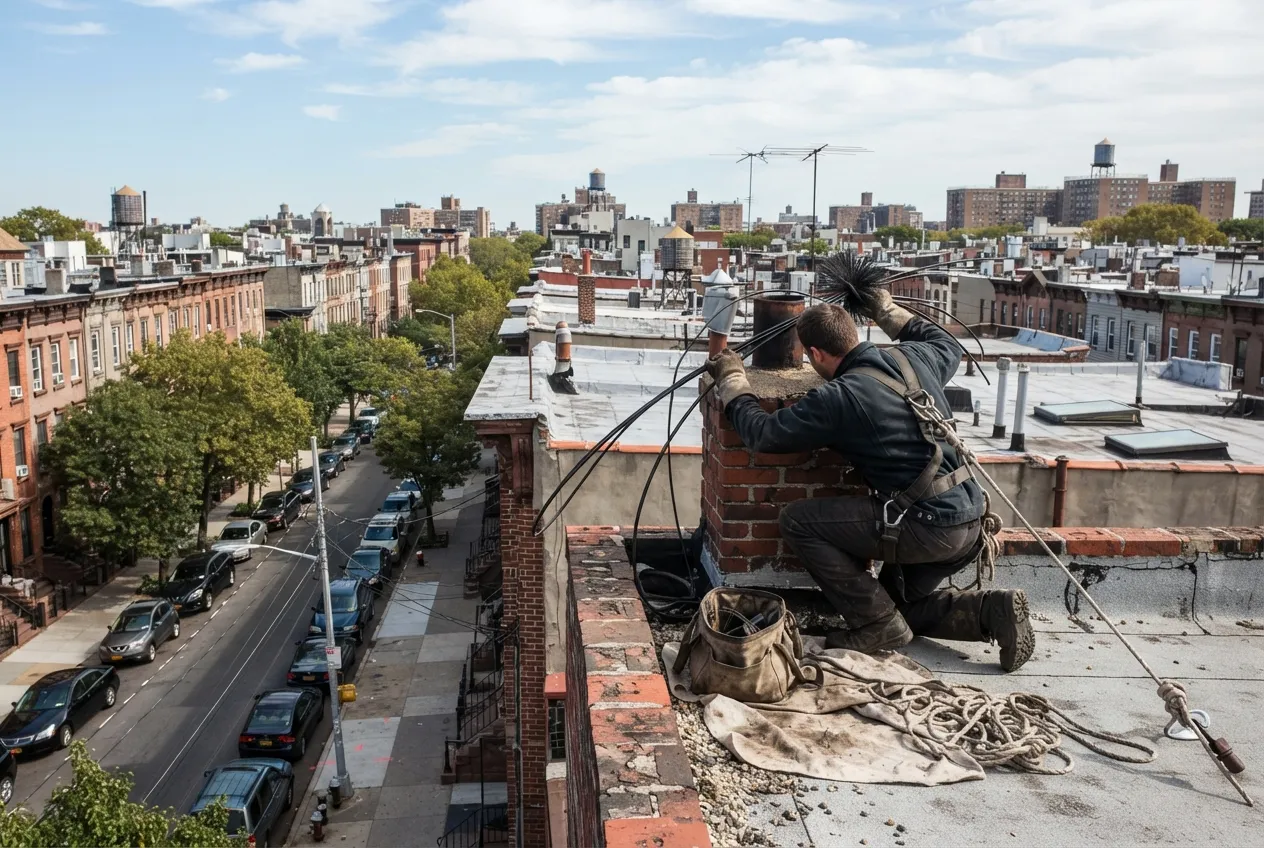
A chimney liner is the protective channel inside your flue that carries smoke and exhaust safely out of the building. In DUMBO, many chimneys are older masonry flues in converted loft buildings, pre-war apartment buildings, and rowhouses. Their original liners may be cracked, eroded, or missing entirely. Expert Chimney Sweep installs new liners for homeowners, co-op boards, and building owners in the neighborhood. Our office in Clinton Hill is about a mile away, so we can usually schedule inspections and installations without long waits. Our certified technicians start by finding out what the flue actually needs, then size and install a liner that fits your appliance and your building.
Why Older DUMBO Chimneys Often Need New Liners
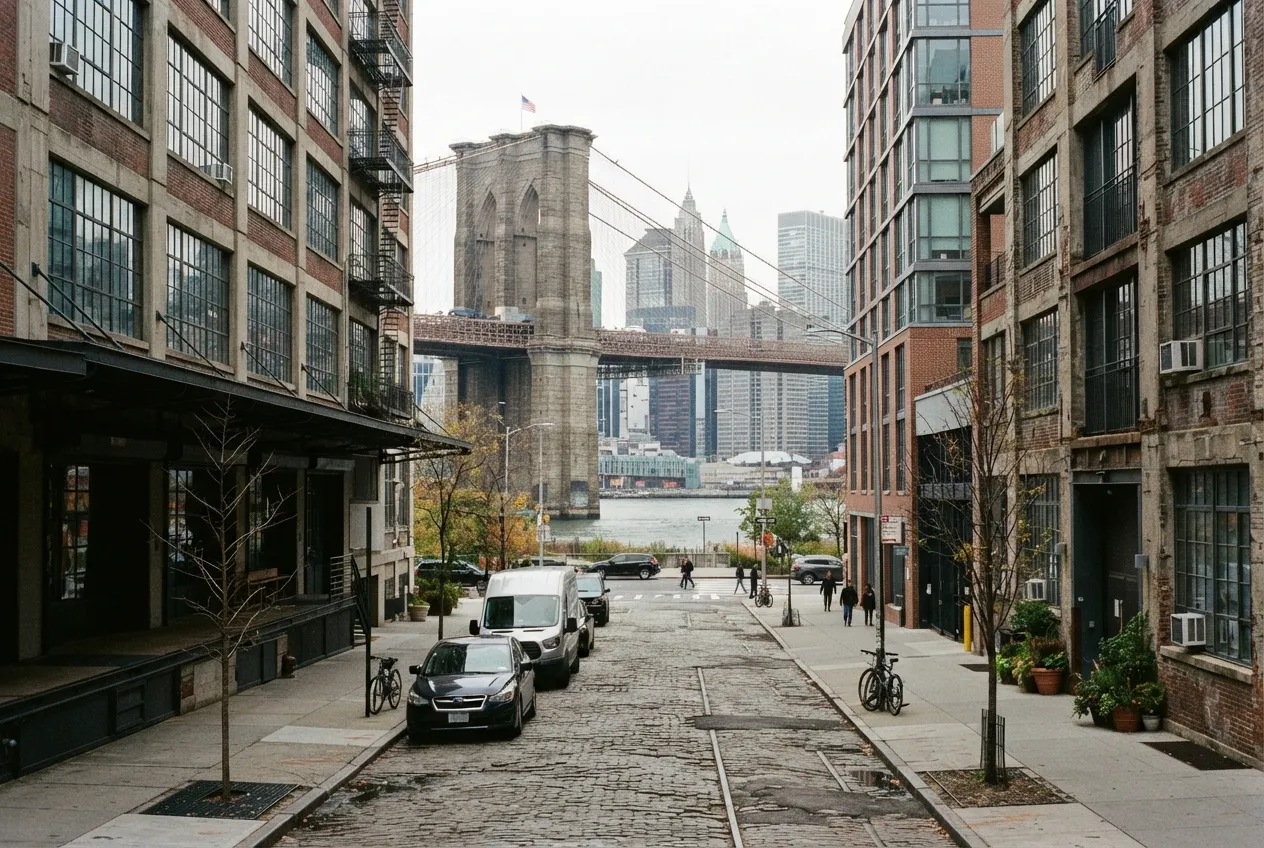
Much of DUMBO's housing is older masonry construction, from converted industrial and loft buildings to pre-war apartment buildings and rowhouses. Many of these chimneys were built for coal or oil heat. They were lined with clay tile, or not lined at all. Over decades, heat cycling, moisture, and settling can crack tiles, wear down mortar joints, and leave gaps where exhaust can reach the surrounding brick or wood.
A damaged liner is not always obvious from inside the home. Warning signs include flakes of tile or masonry at the base of the flue, staining or dampness on walls near the chimney, a persistent odor from the fireplace or boiler room, and poor draft. If any of these sound familiar, an inspection is the right first step.
Oil-to-Gas Conversions and Your Flue
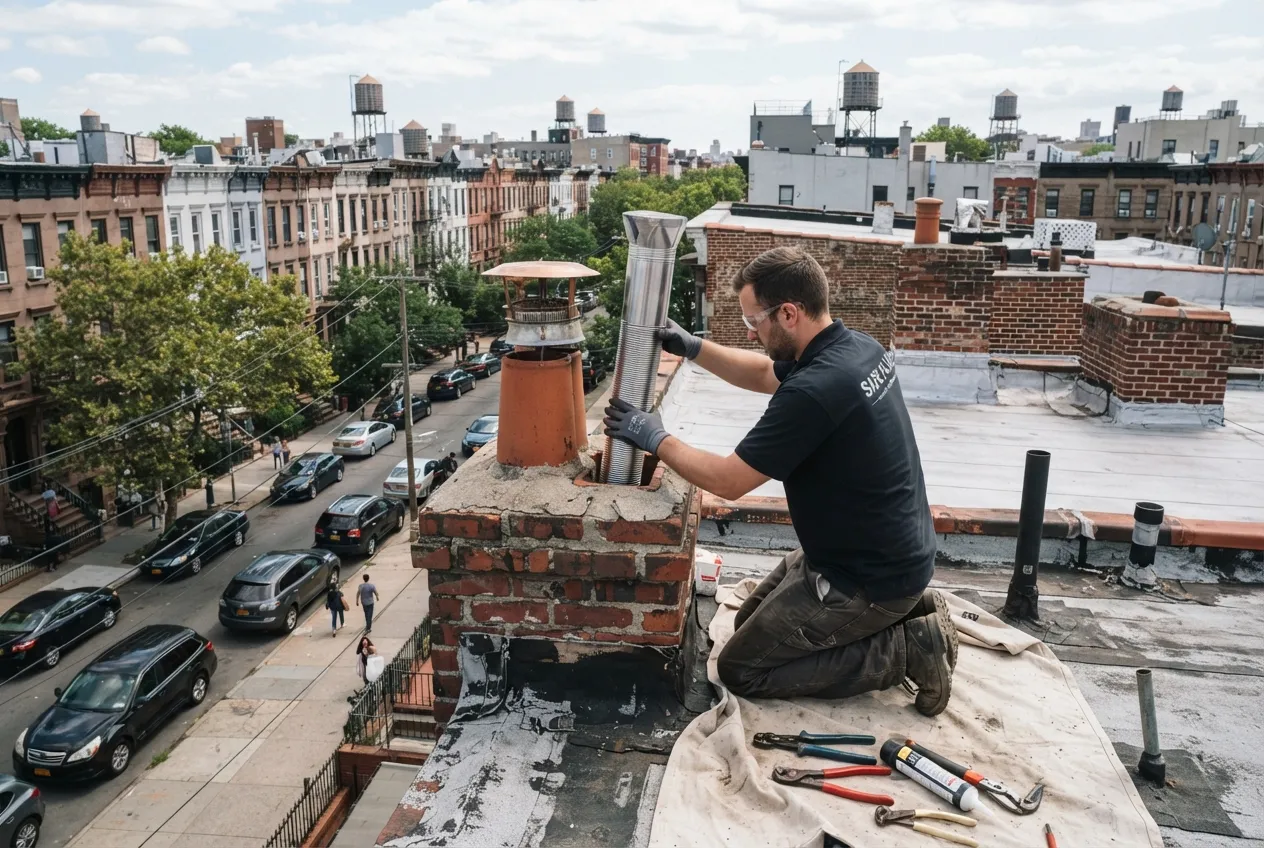
Many buildings in and around DUMBO have converted, or plan to convert, their boilers from oil to gas. When a New York City building makes this switch, the chimney has to be evaluated as part of the work. A new liner is often needed. Gas exhaust produces acidic condensate, and that moisture can corrode an unlined or clay-lined masonry flue over time.
We work with building owners, managers, and boiler contractors to evaluate the existing chimney and recommend a liner made for the new appliance. Planning the liner alongside the conversion helps keep the project on schedule. It also avoids having to reopen work later.
Choosing the Right Liner
The right liner depends on the fuel, the appliance, and the size and condition of the flue. A liner that is too large or too small for the appliance can cause poor draft and condensation problems. That is why we size every liner to the specific equipment it will serve. Common options include:
- Stainless steel liners, rigid or flexible, which work for many gas, oil, and wood-burning appliances
- Insulated stainless steel systems for flues that need better draft or protection from condensation
- Cast-in-place liners, which can reinforce and seal a deteriorated masonry flue
- Replacement liners for wood-burning fireplaces that homeowners want to keep using safely
Time for your annual chimney check?
What Installation Looks Like
DUMBO jobs often involve roof access in multi-story buildings, shared chimneys, and coordination with building management. We plan around these details before work begins. A typical installation follows these steps:
- Inspect the chimney and flue, including a camera inspection when needed, to document its condition
- Explain what we found and recommend a liner type and size for your appliance
- Coordinate roof and building access with owners, managers, or co-op boards
- Clean the flue so the new liner goes into a clear passage
- Install the liner and connect it at the appliance and the top of the chimney
- Fit a cap where appropriate and confirm the system drafts properly
Timing Around Heat Season and Annual Inspections
New York City's heat season runs from October 1 through May 31. During that period, building owners must keep apartments heated to the city's minimum temperatures. If your building's boiler depends on the chimney, scheduling liner work in late spring or summer helps you avoid taking heat offline when tenants need it.
The NFPA 211 standard calls for chimneys, fireplaces, and vents to be inspected once a year. A change to the system, such as a new appliance or a switch of fuel, calls for a more thorough Level 2 inspection. That makes a fuel conversion or boiler replacement a natural time to look closely at the liner.
Serving DUMBO and Nearby Neighborhoods
We install chimney liners throughout DUMBO in the 11201 ZIP code. We also serve nearby Downtown Brooklyn, Brooklyn Heights, Boerum Hill, Fort Greene, and Clinton Hill. Whether you own a single rowhouse or manage a larger residential building, we'll explain your options in plain terms before any work begins.
More services in DUMBO
- Chimney Sweep in DUMBO
- Chimney Inspection in DUMBO
- Chimney Repair in DUMBO
- Air Duct Cleaning in DUMBO