The short answer
Most DUMBO chimneys should be inspected once a year, as the NFPA 211 standard calls for. A basic Level 1 inspection covers a system that hasn't changed, while a Level 2 is needed after a fuel switch, a new appliance or a home sale.
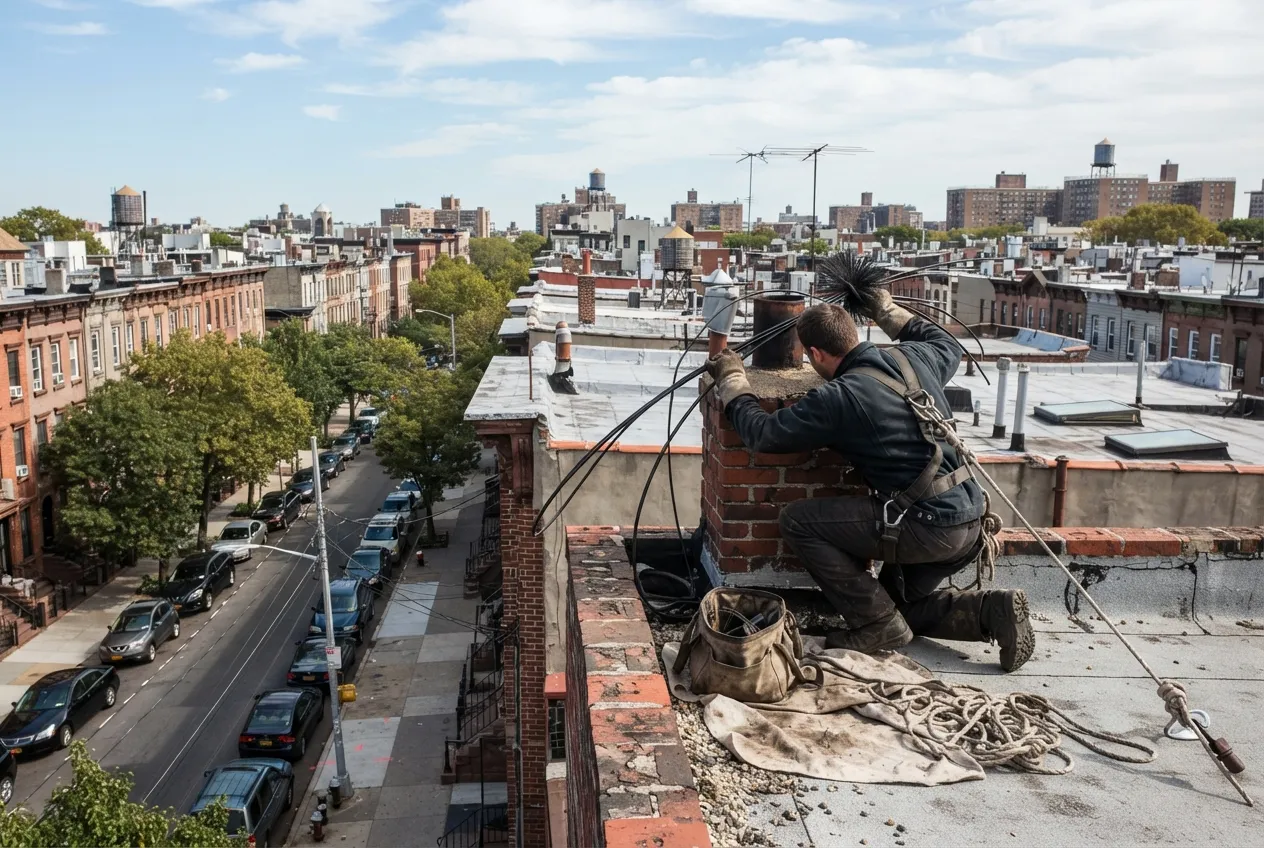
Chimneys in DUMBO see heavy use in winter, and many sit in buildings that have been converted, renovated or re-plumbed more than once. Expert Chimney Sweep inspects chimneys, fireplaces and flues for homes and buildings in DUMBO (ZIP 11201), about a mile northwest of our office in Clinton Hill. Our certified technicians check the chimney from top to bottom and explain what we find in plain terms, so you know whether the system is safe to use, what needs attention and what can wait.
Chimney Inspections for DUMBO Lofts, Condos and Older Buildings
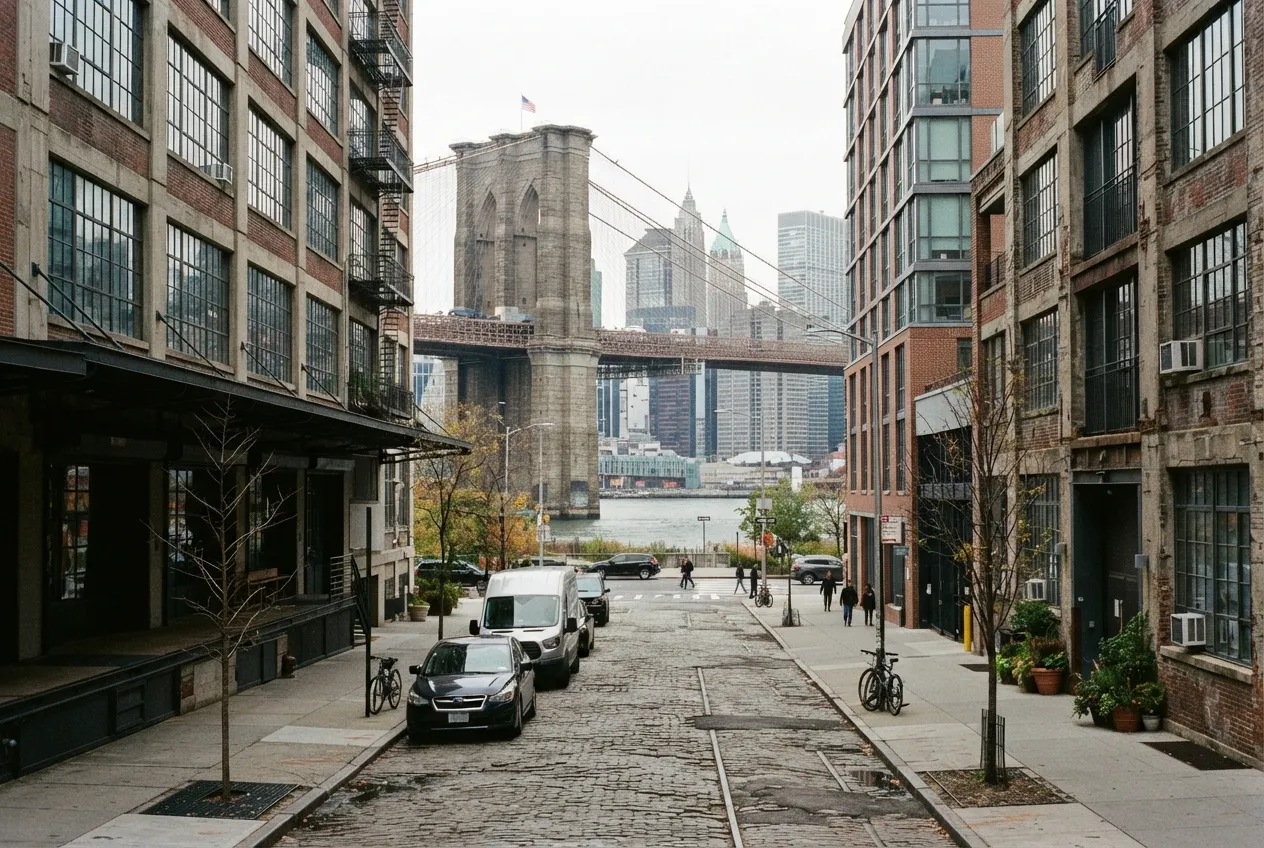
Housing in DUMBO is mostly converted loft buildings, pre-war apartment buildings and newer condominium buildings, with some older rowhouses nearby. Each type brings its own chimney questions. Converted buildings often have flues that were built for one purpose and later adapted for another, such as a decorative fireplace added to a loft unit or a boiler flue reused after a heating upgrade. Older masonry chimneys can have worn mortar, cracked flue tiles or crowns that let water in.
An inspection tells you how the system is actually built and what condition it's in, not just how it looks from the living room. For condo and co-op owners, it also gives you something concrete to share with your building's board or management when a repair involves shared walls or the roof.
Which Inspection Level Do You Need?
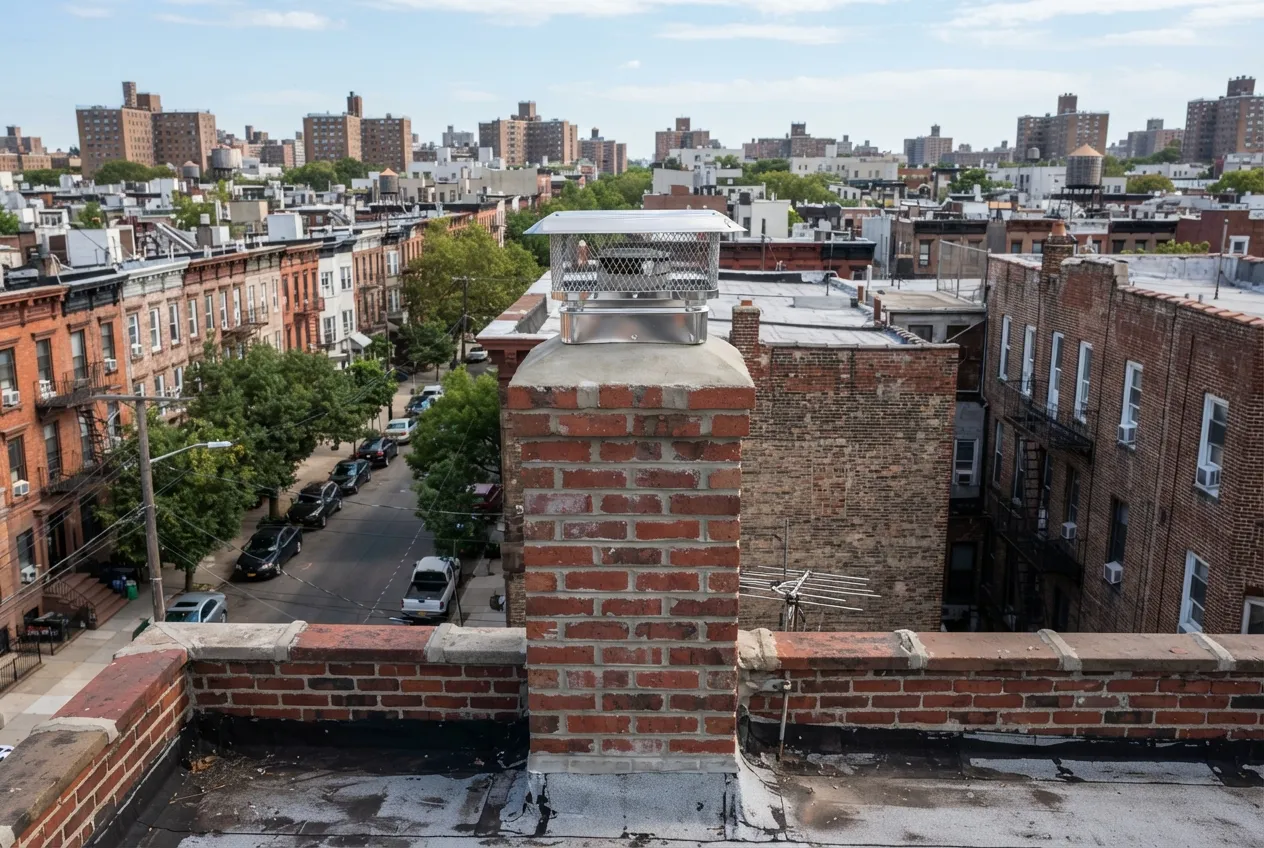
The NFPA 211 standard calls for chimneys, fireplaces and vents to be inspected once a year. Chimney professionals use three levels of inspection, and the right one depends on what has changed in your home.
- Level 1: For a chimney you use regularly with no changes to the system. We check the readily accessible parts of the chimney, the firebox and the connections to make sure the system is sound and free of blockages and buildup.
- Level 2: Required when the system changes, such as a new boiler, furnace, stove or insert, or a switch from one fuel to another, and when a home is sold. This includes a closer look at the flue interior, typically with a camera, plus accessible areas such as attics and the roof.
- Level 3: Needed when a hidden hazard can only be reached by opening part of the chimney or the building, such as removing a section of wall or masonry. We only recommend this when earlier inspection points to a problem that can't be confirmed any other way.
Oil-to-Gas Conversions and Chimney Liners
Many buildings in this part of Brooklyn have moved boilers from oil to gas. When a New York City building converts its boiler from oil to gas, the chimney has to be evaluated as part of the work. A new liner is often needed because gas exhaust produces acidic condensate that can corrode a masonry flue from the inside.
If your building is planning a conversion, or has already done one and you aren't sure the chimney was checked, a Level 2 inspection will show whether the existing flue is suitable or whether a liner is the safer path. We'll explain the findings so your building manager or contractor can plan the work.
Time for your annual chimney check?
Timing Your Inspection Around Heat Season
New York City's heat season runs from October 1 through May 31, when building owners must keep apartments heated to the city's minimum temperatures. A chimney problem found in January can put a boiler out of service when it's needed most.
The easiest time to inspect is late spring through early fall, before heating systems run full time. That leaves room to schedule any repairs, order a liner if one is needed and have everything ready before October. If you use a wood-burning fireplace, an inspection before your first fire of the season also lets us catch creosote buildup, nesting animals or debris that collected over the summer.
What to Expect When We Visit
We'll ask a few questions first: what fuel you burn, how often you use the fireplace or appliance, and whether anything has changed since the last inspection. That helps us confirm the right inspection level. During the visit, we protect the area around the fireplace or appliance and work as cleanly as possible, which matters in finished lofts and occupied apartments.
Afterward, we go over what we saw, show photos where helpful and separate urgent safety issues from routine maintenance. We also serve nearby Downtown Brooklyn, Brooklyn Heights, Boerum Hill, Fort Greene and Clinton Hill.
More services in DUMBO
- Chimney Sweep in DUMBO
- Chimney Repair in DUMBO
- Air Duct Cleaning in DUMBO
- Chimney Liner Installation in DUMBO