The short answer
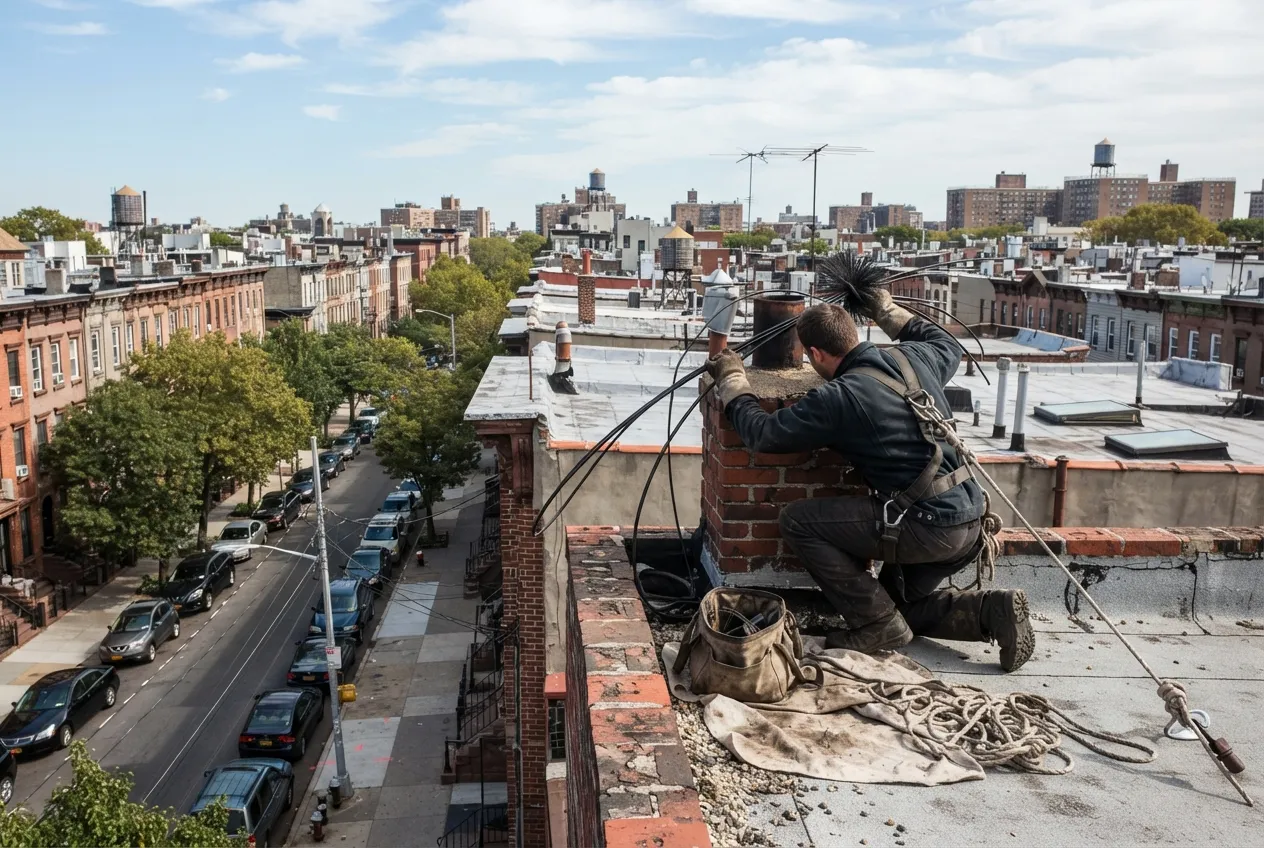
Chimney repair in Crown Heights usually means fixing weathered brick and mortar, cracked crowns, failed flashing, or a damaged flue liner. Expert Chimney Sweep inspects first, shows you what is wrong, and repairs it so your fireplace or heating system can vent safely.
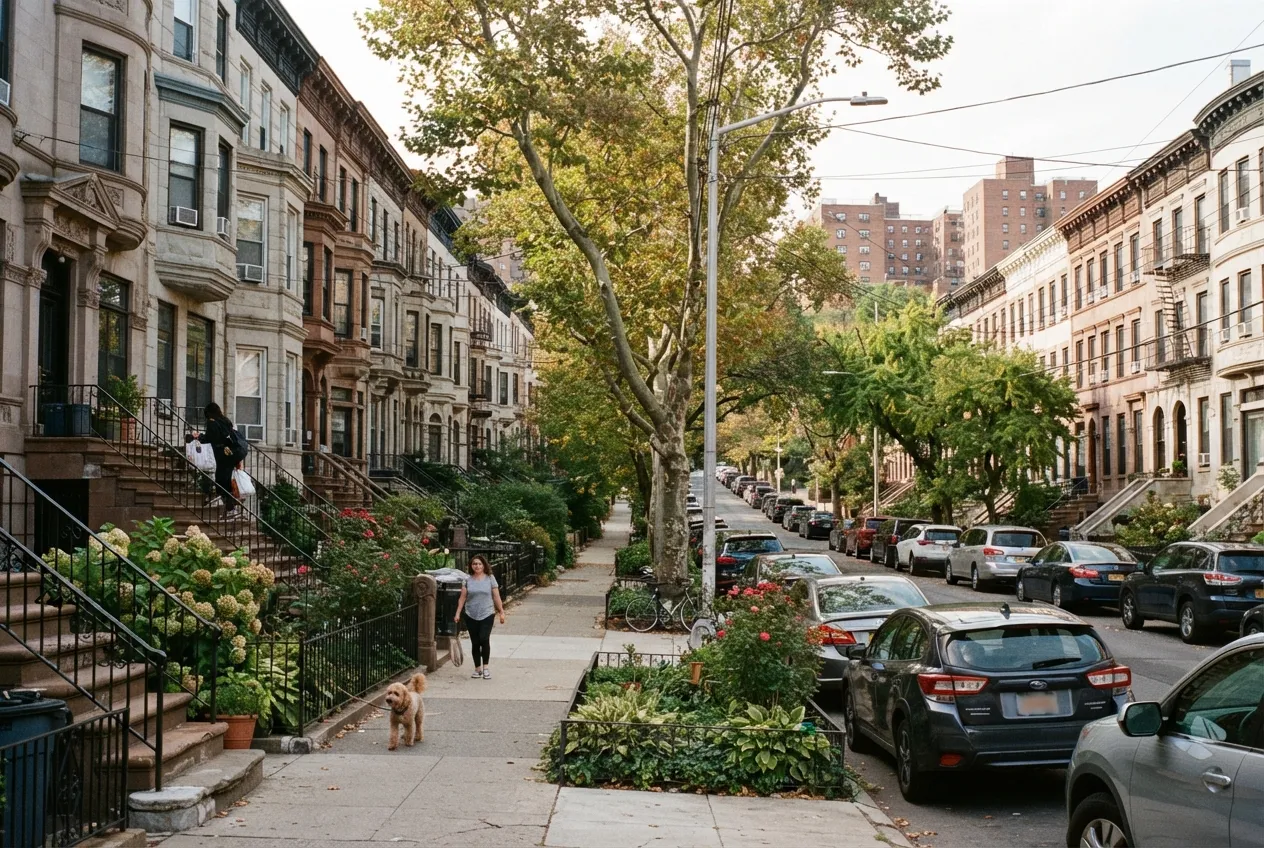
Crown Heights has a lot of older masonry: brownstones, brick rowhouses, pre-war apartment buildings, and some detached homes. Many of these chimneys have been through decades of freeze-thaw winters, fuel changes, and patch jobs. Expert Chimney Sweep repairs chimneys throughout Crown Heights (11213) from our base in Clinton Hill, about 2 miles northwest. Our certified technicians look at the whole chimney, explain what they find in plain terms, and fix what actually needs fixing.
Common Chimney Problems in Crown Heights Homes
Most chimneys in the neighborhood are brick, and many are shared with or tucked against neighboring rowhouses. That construction holds up well, but it wears in predictable ways. Water gets into joints and the top of the stack, and every winter it freezes, expands, and loosens a little more mortar. Over time that shows up as crumbling joints, spalling brick, or a crown that has cracked open.
Inside, the flue takes its own beating. An unlined or deteriorated clay flue can crack, and older liners in buildings that have changed fuels or appliances may no longer be the right fit for what is venting through them. Leaks often show up first as stains on a top-floor ceiling or a damp wall near the chimney, long before anyone climbs onto the roof.
Repairs We Handle
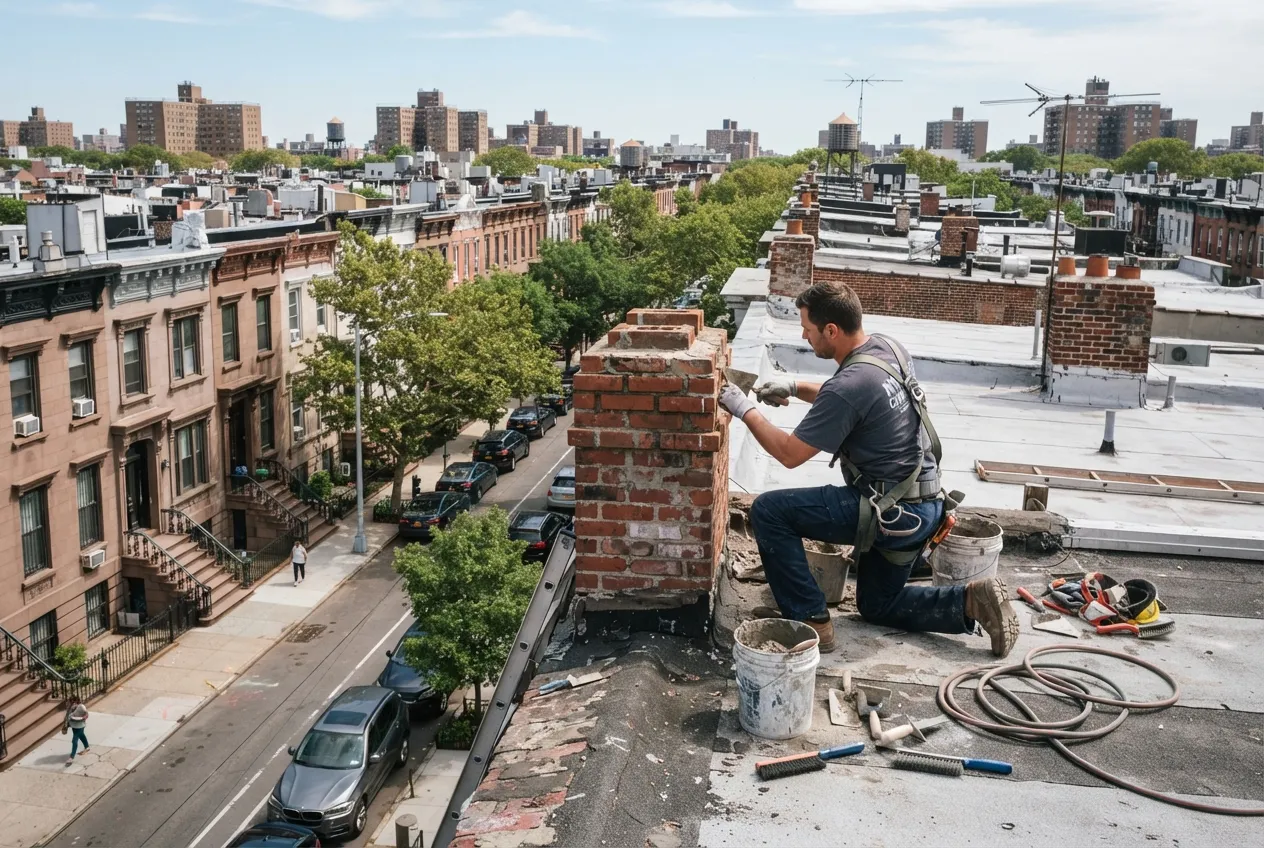
Every chimney is different, so we size the repair to the actual damage instead of selling a full rebuild by default. Typical work in Crown Heights includes:
- Repointing loose or eroded mortar joints
- Replacing spalled or broken brick
- Rebuilding or resurfacing cracked chimney crowns
- Repairing or replacing flashing where the chimney meets the roof
- Installing or replacing chimney caps to keep out rain and animals
- Relining damaged flues with a liner suited to your appliance
- Repairing smoke chambers and fireplace firebox masonry
- Waterproofing exterior masonry after repairs
Inspection Comes First
We don't guess at repairs. The NFPA 211 standard calls for chimneys, fireplaces, and vents to be inspected once a year, and it defines three inspection levels. A Level 1 inspection covers the readily accessible parts of the chimney when nothing about the system has changed. A Level 2 inspection applies when the system changes, such as a new appliance or a switch of fuel, or when the home is being sold. A Level 3 inspection is for cases where a suspected hidden hazard can only be reached by opening part of the chimney or the building.
For most repair calls, we start with the inspection level that fits your situation, document what we find, and walk you through your options before any work begins.
Time for your annual chimney check?
Oil-to-Gas Conversions and Flue Liners
Plenty of Crown Heights buildings have moved, or are planning to move, from oil heat to gas. When a New York City building converts its boiler from oil to gas, the chimney has to be evaluated as part of the job. A new liner is often needed, because gas exhaust produces acidic condensate that can corrode a masonry flue from the inside.
If your building is converting, or converted years ago without any chimney work, we can evaluate the flue and install a properly sized liner so the new equipment vents the way it should.
Timing Repairs Around Heat Season
New York City's heat season runs from October 1 through May 31. During that time, building owners have to keep apartments heated to the city's minimum temperatures. A chimney problem that shuts down a boiler in January is a much bigger headache than one fixed in the summer.
Late spring through early fall is the easiest window for masonry and liner work. Mortar cures better in mild weather, and your heating system isn't needed while the chimney is being worked on. If you have spotted leaks, falling debris, or a crown you're unsure about, it's worth scheduling before the cold sets in.
Serving Crown Heights and Nearby Neighborhoods
Our crews work throughout Crown Heights and the surrounding parts of Brooklyn, including Bedford-Stuyvesant, Prospect Heights, Clinton Hill, Park Slope, and Fort Greene. Because we're close by, we're familiar with the building types common in these neighborhoods, from single-family brownstones to multi-unit pre-war buildings with shared stacks.
More services in Crown Heights
- Chimney Sweep in Crown Heights
- Chimney Inspection in Crown Heights
- Air Duct Cleaning in Crown Heights
- Chimney Liner Installation in Crown Heights