The short answer
Clean your Crown Heights home's air ducts when there is visible mold growth, signs of rodents or insects, or heavy dust and debris inside them. Not every home needs it on a schedule. Expert Chimney Sweep inspects first and recommends cleaning only when the ducts show a real reason for it.
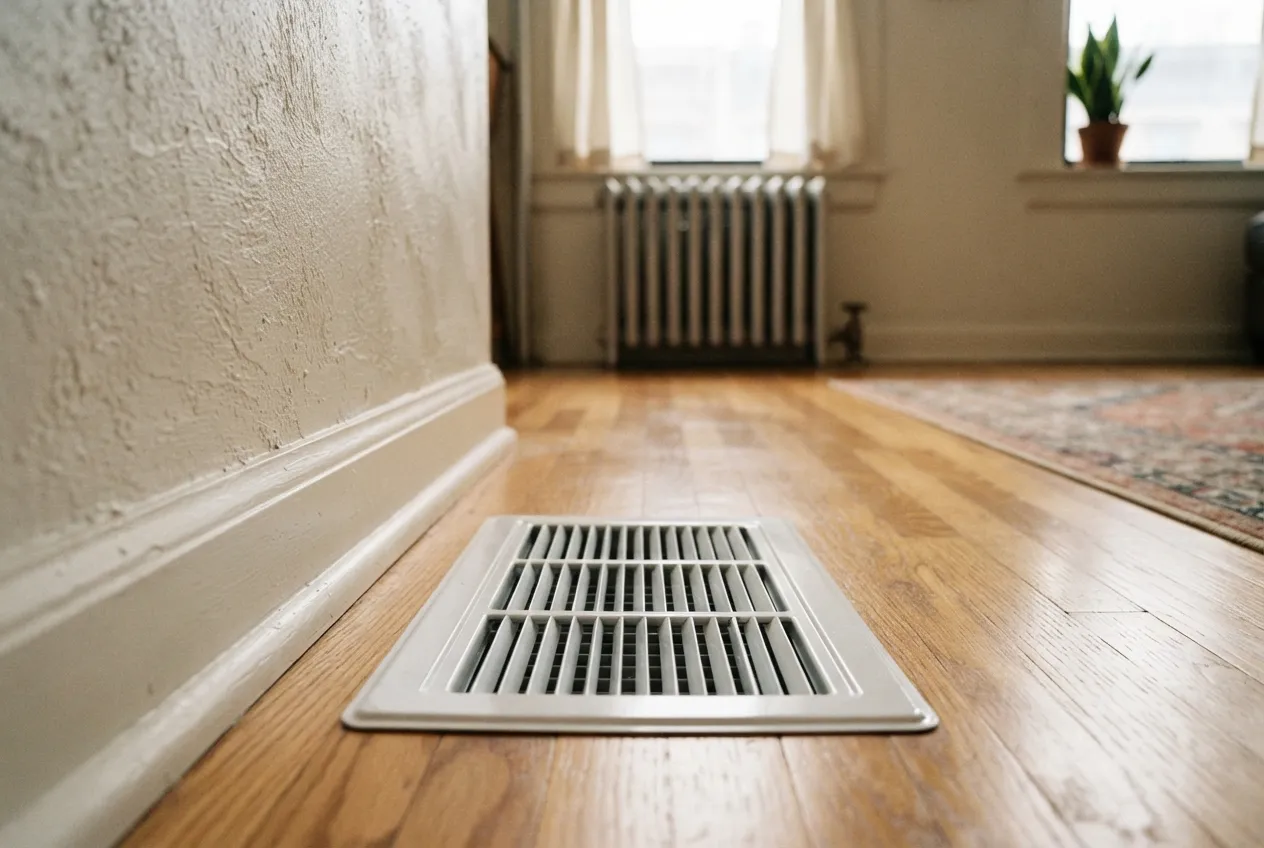
Many Crown Heights homes were built around radiators, not ductwork. Air ducts usually arrived later, through a renovation, a central air retrofit, or a gut rehab of a brownstone or rowhouse. That history affects how ducts get dirty and how they should be cleaned. Expert Chimney Sweep is based in nearby Clinton Hill, about 2 miles from Crown Heights, and our certified technicians clean residential duct systems throughout ZIP code 11213. We start by finding out whether your ducts actually need cleaning, then clean the whole system if they do.
How Ductwork Shows Up in Crown Heights Homes
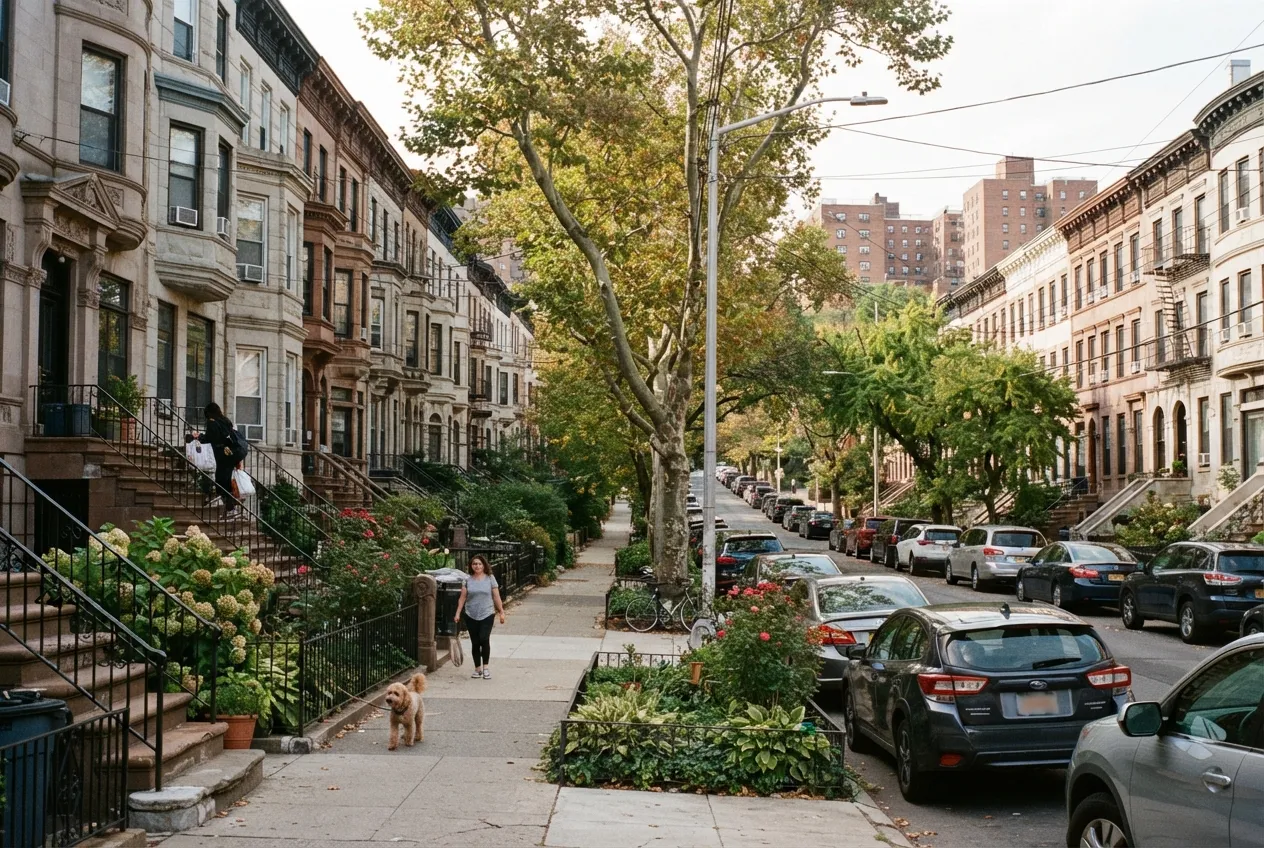
Crown Heights housing is mostly brownstones, rowhouses, and pre-war apartment buildings, with some detached homes. Older buildings in the neighborhood were generally heated by steam or hot-water radiators, so ductwork, when it exists, was added later. Ducts are often routed through dropped ceilings, closets, basements, or tight chases between floors, and some homes use small-diameter high-velocity systems added to avoid opening historic walls and plaster.
Retrofitted ducts can collect plaster dust, drywall debris, and sawdust that was never fully cleared after construction. In rowhouses that share walls with neighbors, ducts running through basements and wall cavities can also give mice or insects a path into the system. We look at how your system was installed before deciding how to clean it.
When Cleaning Is Worth It, and When It Isn't
The U.S. EPA advises cleaning air ducts when there is substantial visible mold growth, evidence of vermin, or excessive dust and debris. The EPA also notes that duct cleaning has not been shown to prevent health problems. We tell Crown Heights homeowners the same thing: cleaning removes buildup you can see and confirm, but it is not a health treatment.
Reasons that usually justify cleaning:
- Visible mold inside ducts or on air handler components
- Droppings, nesting material, or other signs of rodents or insects
- Dust puffing out of supply registers when the system starts
- Leftover construction debris after a renovation or gut rehab
- Moving into a home where the duct history is unknown
What Our Technicians Do
Every visit starts with an inspection of registers, returns, accessible duct runs, and the air handler. If cleaning isn't warranted, we'll say so. If it is, we clean the entire system, not just the parts you can see from a vent cover.
The work typically includes:
- Protecting floors and furnishings along the work path
- Placing the system under negative pressure with a collection unit to capture loosened debris
- Agitating dust from supply and return runs with brushes and air tools sized for your duct type
- Cleaning registers, grilles, and return plenums
- Checking the blower, coil area, and drain pan, and replacing or recommending the right filter
- Walking you through what we found, with photos when helpful
Time for your annual chimney check?
A Careful Approach to Chemical Treatments
Some companies push sanitizers or coatings with every job. The EPA urges caution with chemical treatments in ducts, and we agree. We don't apply any product without explaining what it is, why it might help in your situation, and leaving the decision to you. In most homes, thorough mechanical cleaning and fixing the moisture or entry point that caused the problem matter more than any spray.
The EPA also warns consumers to research the process before responding to very cheap advertised duct cleaning offers. A legitimate cleaning takes time, especially in older Brooklyn homes with long horizontal runs and hard-to-reach returns.
Dryer Vents and Chimneys While We're There
According to the U.S. Fire Administration, failure to clean is the leading factor contributing to home clothes dryer fires. Many Crown Heights apartments and rowhouses have dryer vents with long or bent runs to an exterior wall, so we can check and clean yours during the same visit.
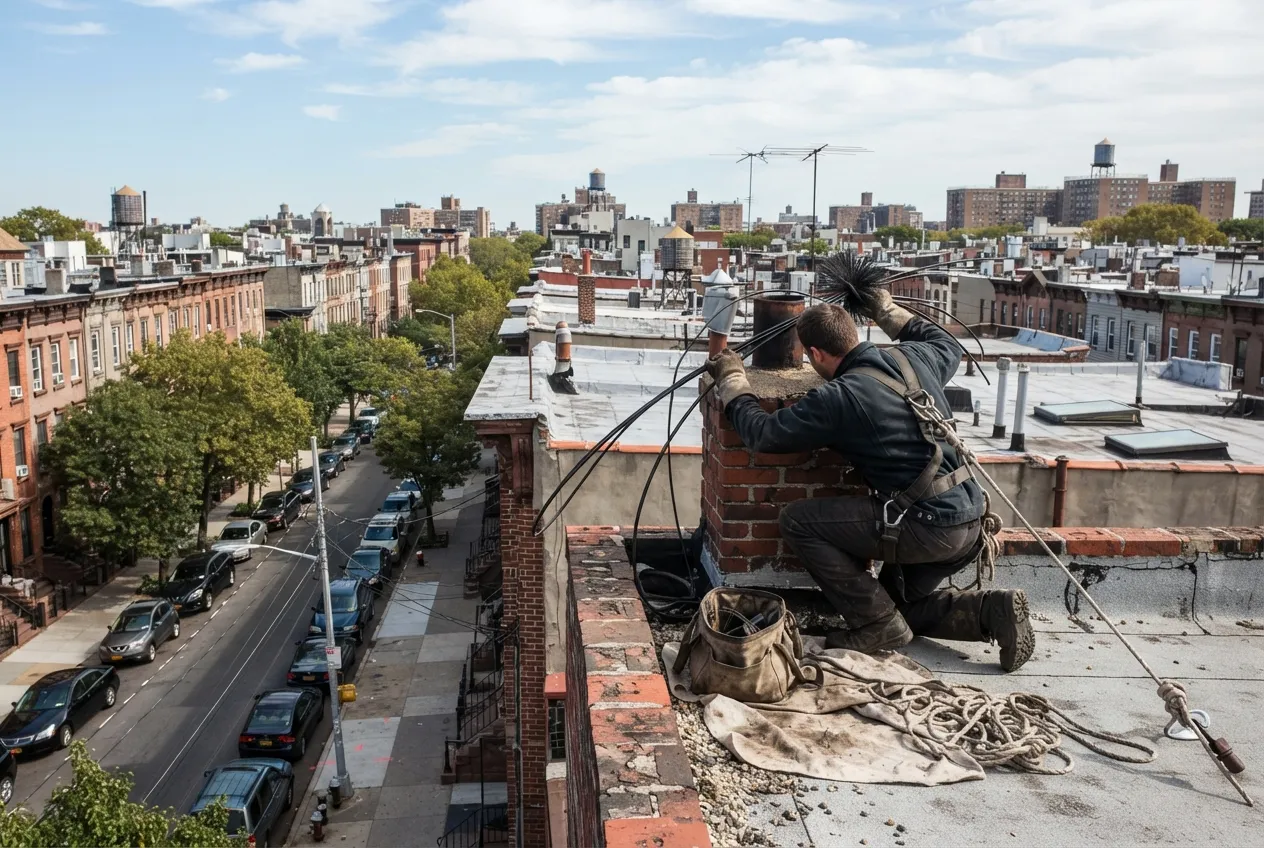
Because we're also a chimney company, we can inspect your fireplace or heating flue. The NFPA 211 standard calls for chimneys and vents to be inspected once a year. We serve Crown Heights along with Bedford-Stuyvesant, Prospect Heights, Clinton Hill, Park Slope, and Fort Greene.
More services in Crown Heights
- Chimney Sweep in Crown Heights
- Chimney Inspection in Crown Heights
- Chimney Repair in Crown Heights
- Chimney Liner Installation in Crown Heights