The short answer
Crown Heights homes often need a new chimney liner when an old masonry flue is cracked, when a new appliance is installed, or when a boiler converts from oil to gas. We inspect the flue first, then recommend and install a liner sized to the appliance it serves.
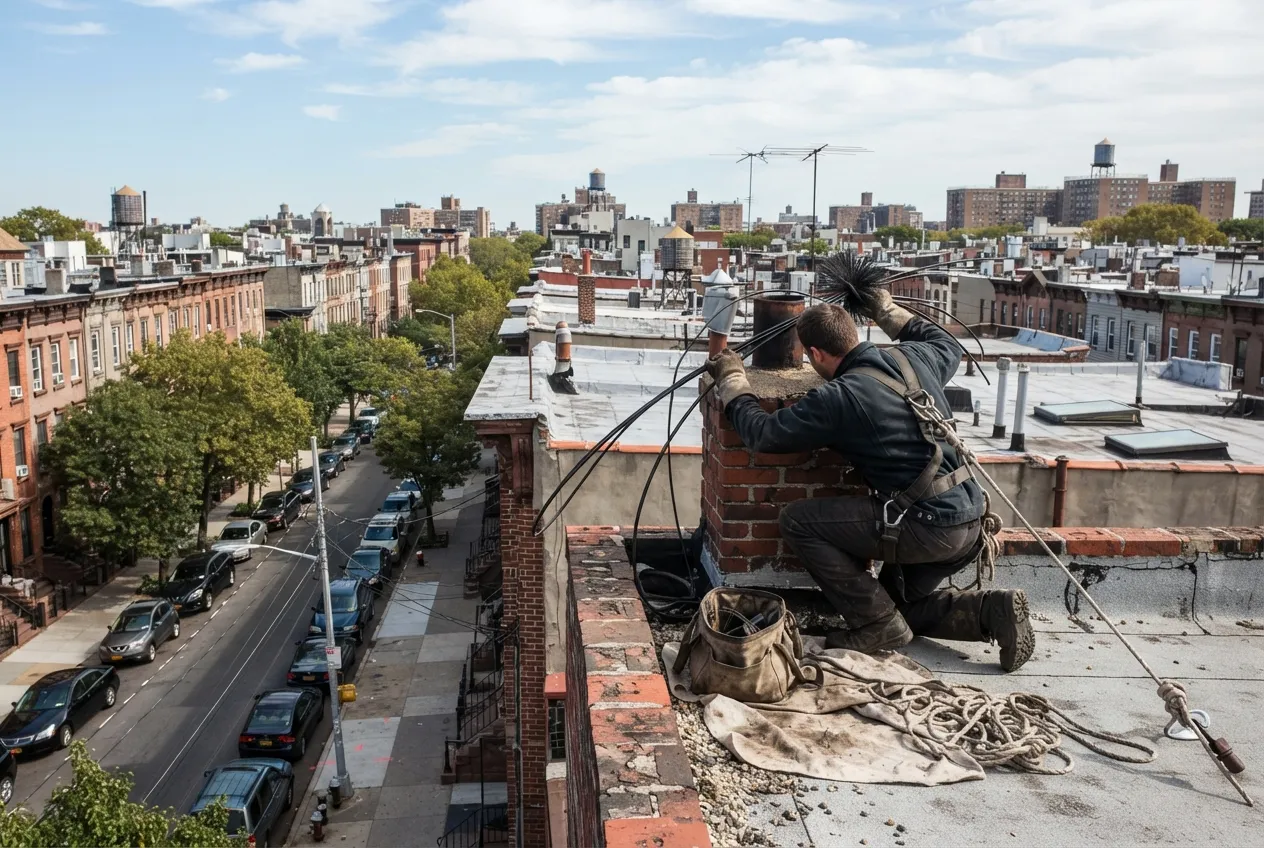
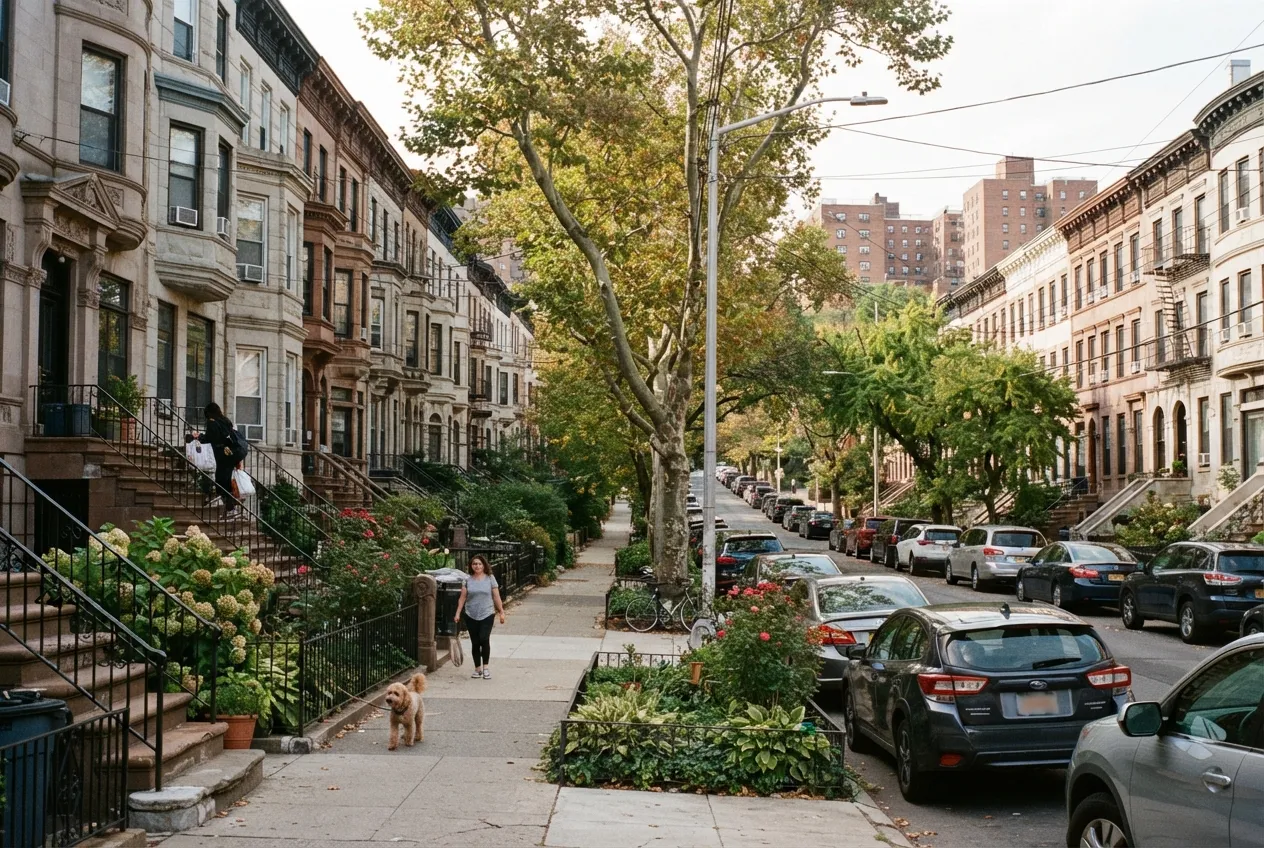
Many Crown Heights homes were built long before modern boilers, water heaters, and gas inserts existed. The brownstones, rowhouses, and pre-war apartment buildings across the neighborhood often still vent through their original masonry flues, and those flues were not designed for today's appliances. A properly sized liner protects the masonry, helps the appliance draft correctly, and keeps exhaust where it belongs. Expert Chimney Sweep installs chimney liners for homes and buildings in Crown Heights (11213), about two miles southeast of our office in Clinton Hill. Our certified technicians start by looking inside your chimney so the liner fits what you actually have.
Why Liners Matter in Crown Heights Buildings
Older Brooklyn chimneys were typically built with clay tile or bare brick flues. Over decades, freeze-thaw cycles, building settlement, and acidic exhaust wear down mortar joints and crack tiles. Once that happens, heat and combustion gases can reach the brick and the framing around it, and the flue may no longer draft the way your appliance expects.
In attached rowhouses and brownstones, chimneys often share walls with neighboring homes, and a single masonry stack may carry more than one flue. A damaged flue in that kind of structure is worth taking seriously. A new liner creates a continuous, sealed path from the appliance to the top of the chimney, without the need to rebuild the whole stack.
Oil-to-Gas Conversions Need a Chimney Evaluation
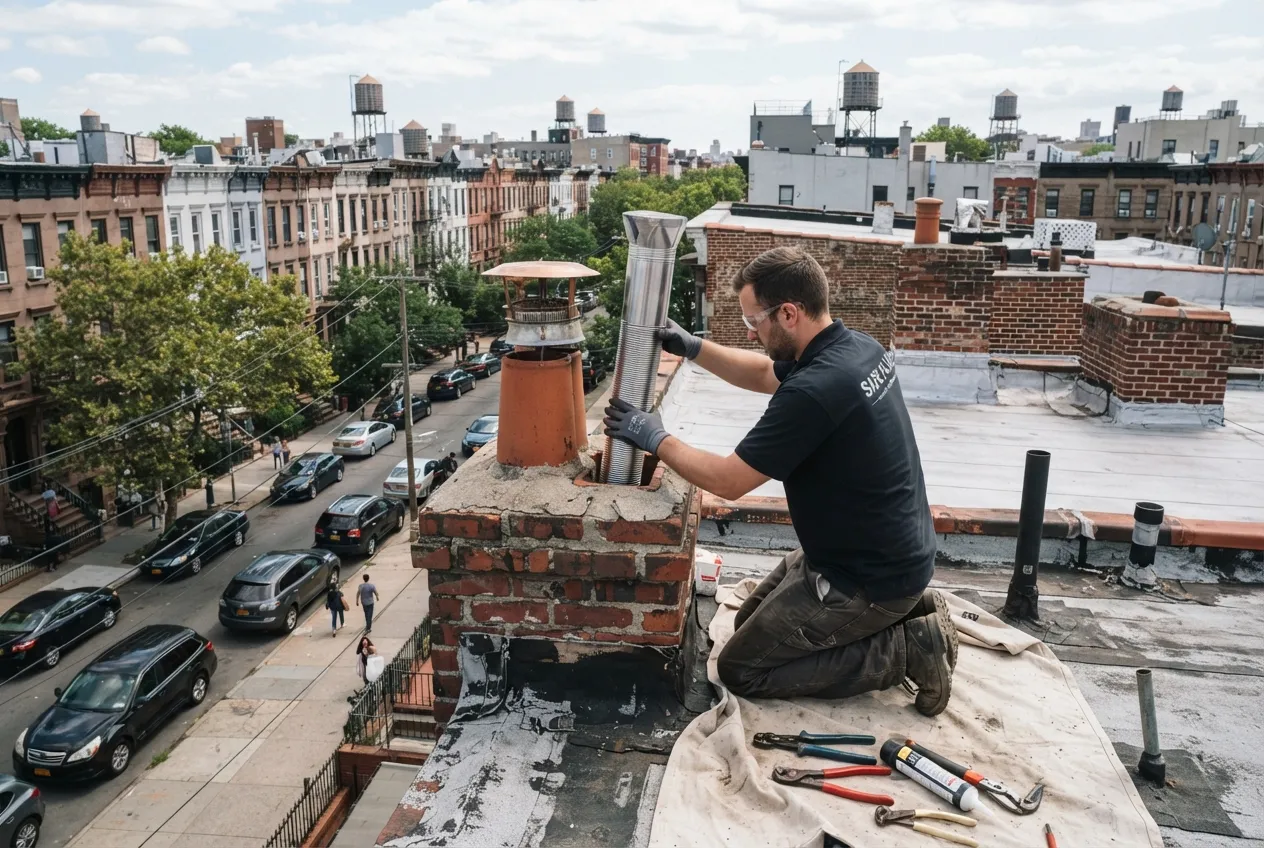
Many Crown Heights buildings have moved, or are planning to move, from heating oil to natural gas. When a New York City building converts its boiler from oil to gas, the chimney has to be evaluated as part of that work. A new liner is often needed, because gas exhaust produces acidic condensate that can corrode a masonry flue that handled oil exhaust without trouble.
If you are working with a plumber or heating contractor on a conversion, bring us in early. We can inspect the chimney, explain whether the existing flue can be used, and size a liner to the new boiler or water heater so the project can move ahead smoothly.
Signs Your Chimney May Need a New Liner
Some liner problems are only visible with a camera, but there are warning signs homeowners can watch for:
- Pieces of clay tile or crumbling mortar collecting at the base of the chimney or in the cleanout
- Water stains, peeling paint, or white mineral deposits on walls near the chimney
- Exhaust smells, or a boiler or water heater that has trouble venting
- A new boiler, water heater, furnace, or fireplace insert being installed
- A switch from oil to gas, or from wood to gas
- An inspection report noting cracked tiles, gaps, or an unlined flue
Time for your annual chimney check?
How Liner Installation Works
The NFPA 211 standard calls for chimneys, fireplaces, and vents to be inspected once a year. When the system changes, such as a new appliance or a fuel switch, a Level 2 inspection is the usual step, and that includes a video look inside the flue. A Level 2 inspection is also typical when a home is sold. If a hidden hazard has to be reached by opening part of the chimney or wall, that is a Level 3 inspection.
Once we know the condition of the flue, a typical installation looks like this:
- Clean the flue and measure it from top to bottom
- Match the liner type and diameter to the appliance's venting needs
- Lower the liner through the chimney from the roof
- Connect it to the appliance at the bottom and secure it at the top
- Add a cap to keep out rain, debris, and animals
- Check the draft once the appliance is running
Choosing the Right Liner
Stainless steel liners are the most common choice for Brooklyn homes, because they can be run through older flues that have offsets or uneven dimensions. Gas appliances, oil appliances, and wood-burning fireplaces each call for different materials and sizes, and a liner that is too large or too small can cause poor draft and condensation. We explain the options in plain terms and recommend the one that suits your appliance and your chimney.
Scheduling Around Heat Season
New York City's heat season runs from October 1 through May 31, and building owners must keep apartments heated to the city's minimum temperatures during that period. For owners of multi-family buildings in Crown Heights, that makes late spring and summer the easiest time to replace a boiler flue liner. If a problem turns up in winter, we will work with you to keep heating downtime as short as we can.
Besides Crown Heights, we serve nearby Bedford-Stuyvesant, Prospect Heights, Clinton Hill, Park Slope, and Fort Greene.
More services in Crown Heights
- Chimney Sweep in Crown Heights
- Chimney Inspection in Crown Heights
- Chimney Repair in Crown Heights
- Air Duct Cleaning in Crown Heights