The short answer
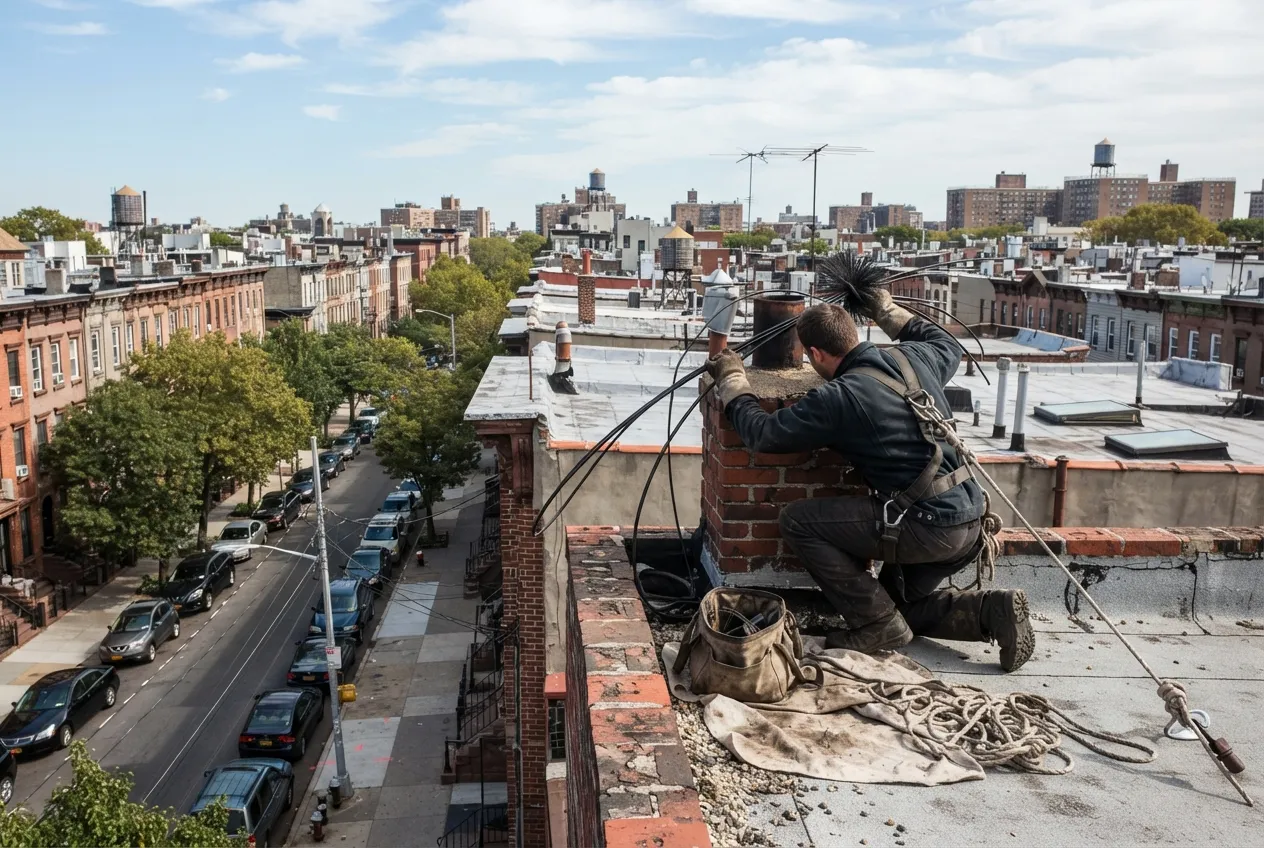
Most older Bedford-Stuyvesant chimneys need a new liner when the original clay tile is cracked or missing, or when a boiler is replaced or converted from oil to gas. We inspect the flue, size a liner to the appliance it serves, and install it from the roof. Our certified technicians work from an office about a mile away in Clinton Hill.
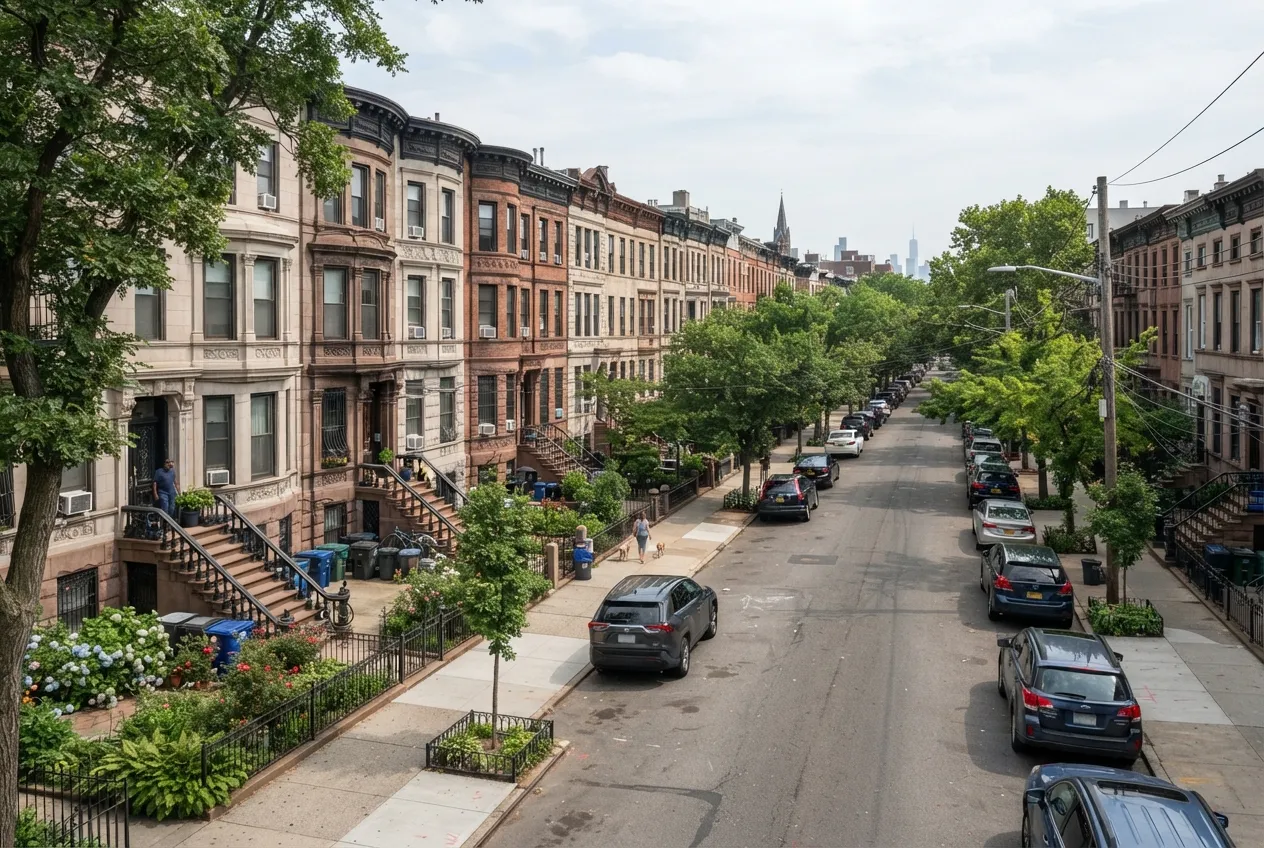
Many homes in Bedford-Stuyvesant were built long before today's furnaces, boilers and water heaters existed. Brownstones, rowhouses and pre-war apartment buildings often still have their original masonry flues, and those flues were not designed for the exhaust modern appliances produce. A chimney liner gives that exhaust a sound, properly sized path out of the house. Expert Chimney Sweep installs liners throughout Bed-Stuy, including ZIP codes 11216 and 11221. Our office in Clinton Hill is about a mile to the west.
Why Older Bed-Stuy Chimneys Often Need a New Liner
In a typical brownstone or rowhouse, the chimney runs up a party wall. It may serve a boiler in the cellar, a fireplace on the parlor floor, or both. Over decades, clay tile liners crack and mortar joints wash out. Some flues were never lined at all. When that happens, heat, moisture and exhaust gases can reach the brick and the framing around it.
A damaged or missing liner can let carbon monoxide leak into living space. It can also let heat reach nearby wood and speed up the decay of the masonry itself. A liner won't fix every chimney problem, but it handles the one that matters most: keeping combustion gases contained and moving up and out.
- Flakes of tile or mortar falling into the cleanout or firebox
- White staining or damp patches on interior walls near the chimney
- A boiler or water heater that has been replaced or switched to a different fuel
- An inspection report noting cracked, missing or undersized flue tiles
Oil-to-Gas Conversions and Boiler Replacements
Many Bedford-Stuyvesant buildings have switched from oil heat to gas. In New York City, the chimney has to be evaluated as part of that conversion, and a new liner is often needed. Gas exhaust produces acidic condensate, which can corrode a masonry flue that handled oil without trouble.
A boiler replacement can change what the chimney needs even when the fuel stays the same. Newer, more efficient appliances tend to send cooler exhaust up the flue, which makes condensation more likely. An oversized flue may also fail to draft properly. We size the liner to the appliance it will serve, not to the chimney it happens to sit in.
If you're planning a conversion, call us early. That way the chimney work can be coordinated with your heating contractor instead of holding up the job at the end.
How We Install a Liner
Every job starts with an inspection. The NFPA 211 standard calls for a Level 2 inspection when the system changes, such as a new appliance or a switch of fuel. Level 2 typically includes a camera look inside the flue. Sometimes a hidden problem can only be reached by opening part of the chimney or wall. That is a Level 3 inspection, and we'll explain why it's needed before anything is opened.
- Inspect and photograph the existing flue, then report what we find
- Recommend a liner type and size matched to the appliance and fuel
- Clean the flue and remove loose tile or debris that would block the new liner
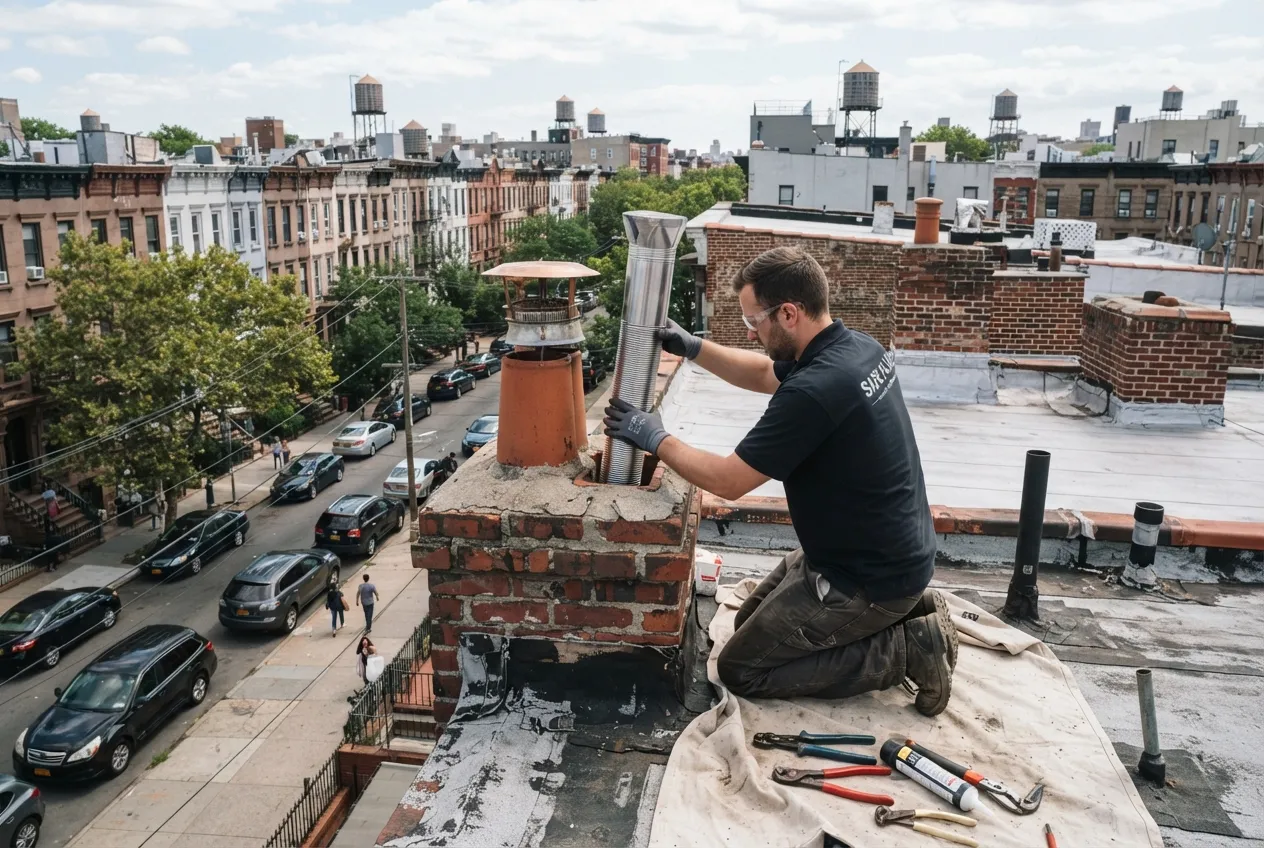
- Install the liner from the roof, connect it at the appliance and the top, and add a cap where appropriate
- Check the draft and walk you through the finished work
Time for your annual chimney check?
Liner Options for Brooklyn Homes
Stainless steel liners are the most common choice for gas and oil boilers, water heaters and many fireplace flues. They come in rigid and flexible forms. Flexible liners help in older chimneys with offsets or bends.
Cast-in-place liners are formed by pouring a mortar mix inside the existing flue. They can suit chimneys that also need structural reinforcement. Replacing clay tile is sometimes possible, but it usually means significant masonry work. We'll tell you which options fit your chimney, which don't, and why.
Timing Around Heat Season
New York City's heat season runs from October 1 through May 31. During that time, building owners must keep apartments heated to the city's minimum temperatures. The connected appliance is usually shut off while we work, so late spring and summer are the easiest times to schedule. If a problem turns up in midwinter, we plan the work to keep heating downtime as short as possible.
After installation, keep up the yearly inspection that NFPA 211 calls for. We also install liners in nearby Crown Heights, Clinton Hill, South Williamsburg, Prospect Heights and Fort Greene.
More services in Bedford-Stuyvesant
- Chimney Sweep in Bedford-Stuyvesant
- Chimney Inspection in Bedford-Stuyvesant
- Chimney Repair in Bedford-Stuyvesant
- Air Duct Cleaning in Bedford-Stuyvesant