The short answer
Most Bedford-Stuyvesant homes should have their chimney inspected once a year, as the NFPA 211 standard recommends. A Level 1 inspection covers routine checks, while a Level 2 is needed when you buy or sell a home, add a new appliance, or switch fuels, such as converting a boiler from oil to gas.
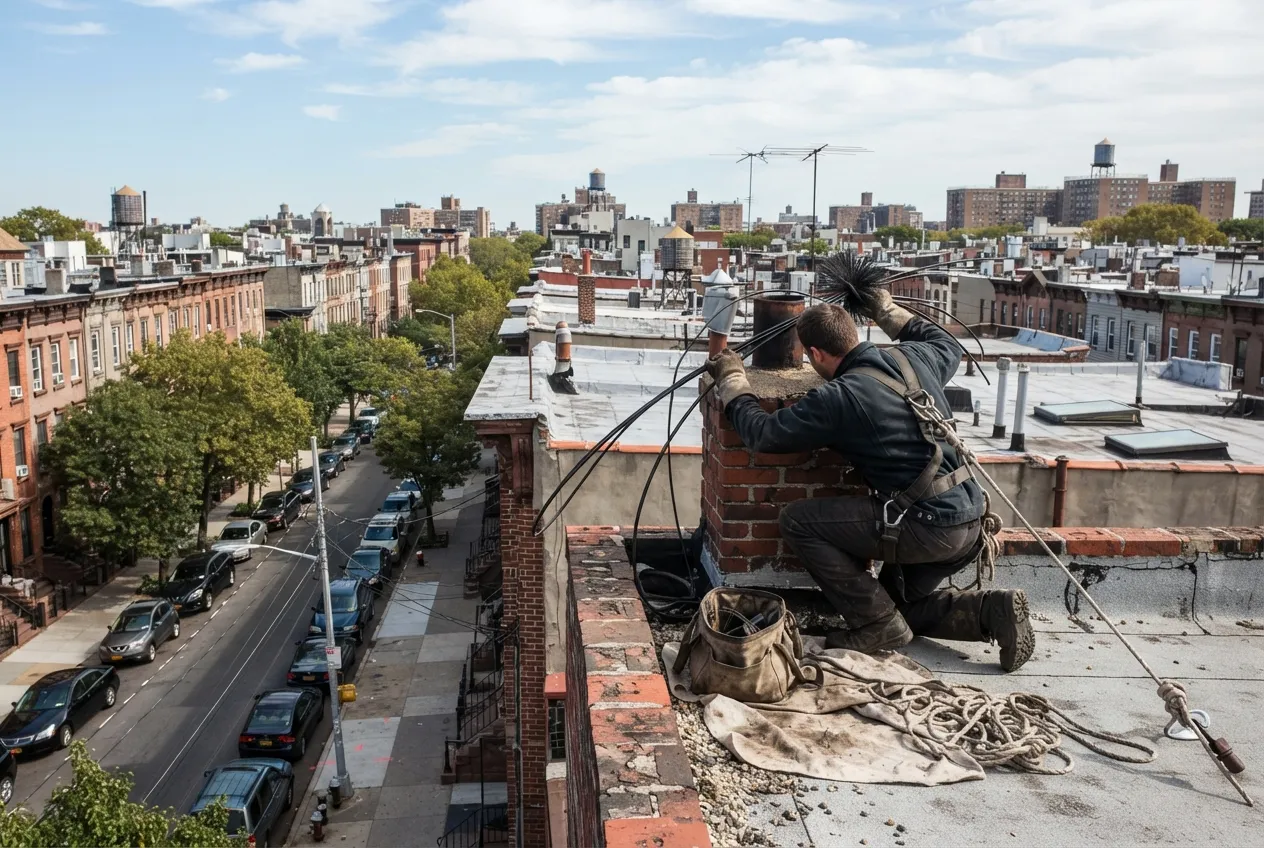
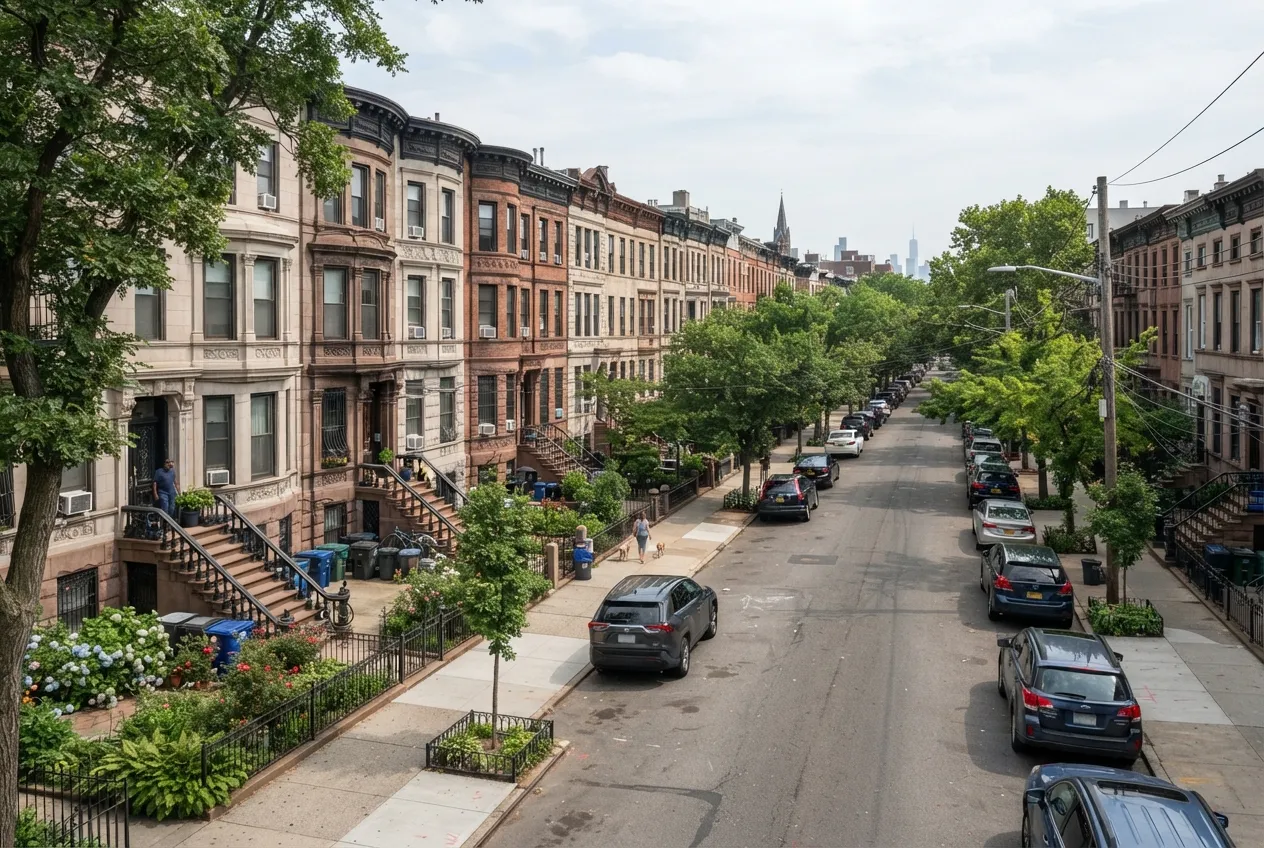
Bedford-Stuyvesant is full of older homes with chimneys that have seen decades of use, changes in fuel, and renovations that may not have taken the flue into account. Whether you live in a brownstone with fireplaces on several floors, a rowhouse with a boiler venting through an old masonry chimney, or a unit in a pre-war apartment building, an inspection tells you whether the system is safe to use and what, if anything, needs attention. Our certified technicians work from our Clinton Hill office, about a mile from Bed-Stuy, and inspect chimneys throughout ZIP codes 11216 and 11221.
Why Chimney Inspections Matter in Bed-Stuy Homes
Much of Bedford-Stuyvesant's housing is made up of brownstones, rowhouses and pre-war apartment buildings. These homes often have more than one flue in a single chimney stack. One might serve the boiler, and others might lead to fireplaces on different floors. Some of those fireplaces are still in use, some are decorative, and some were closed off long ago without anyone recording how.
Older masonry flues may be unlined or lined with clay tile that has cracked over time. Mortar joints wear down, chimney crowns crack, and water gets into the brick. Because rowhouses share walls with neighbors, a damaged flue is not only your concern. Smoke, heat or combustion gases that escape through gaps in the masonry can travel in ways that are hard to predict. An inspection finds these problems before they turn into a fire hazard or a carbon monoxide risk.
Which Inspection Level Do You Need?
The NFPA 211 standard calls for chimneys, fireplaces and vents to be inspected once a year. Chimney professionals use three levels of inspection, and the right one depends on what has changed in your home:
- Level 1: For chimneys that are in regular use with no changes. We check the accessible parts of the chimney, fireplace or appliance connection, and flue for soot, blockages and obvious damage.
- Level 2: Needed when the system changes, such as a new boiler, water heater, stove or fireplace insert, or a switch in fuel. It is also needed when a home is sold. This level includes an internal camera inspection of the flue and a check of attics, basements and crawl spaces where the chimney passes.
- Level 3: Used when a hidden hazard can only be reached by opening part of the chimney or the building, such as removing a section of masonry or wall. We recommend this only when an earlier inspection points to a problem that cannot be evaluated any other way.
Oil-to-Gas Conversions and Boiler Flues
Many Bed-Stuy buildings were originally heated with oil. When a New York City building converts its boiler from oil to gas, the chimney has to be evaluated as part of the work. A new liner is often required because gas exhaust produces acidic condensate that can corrode a masonry flue from the inside.
If you are planning a conversion, or have already completed one and are not sure the chimney was evaluated, a Level 2 inspection will show the condition of the flue and whether the current liner is the right type and size for the new equipment. Signs of a problem include crumbling brick or mortar at the base of the chimney, white staining on the masonry, and water collecting near the boiler connection.
Time for your annual chimney check?
What Happens During Your Inspection
We start by asking how you use each fireplace and appliance and whether anything has changed since the last inspection. Then we examine the system from the bottom up and from the roof where access allows.
- Fireplace firebox, damper and smoke chamber
- Boiler and water heater connector pipes and their entry into the chimney
- Flue liner condition, checked by camera for Level 2
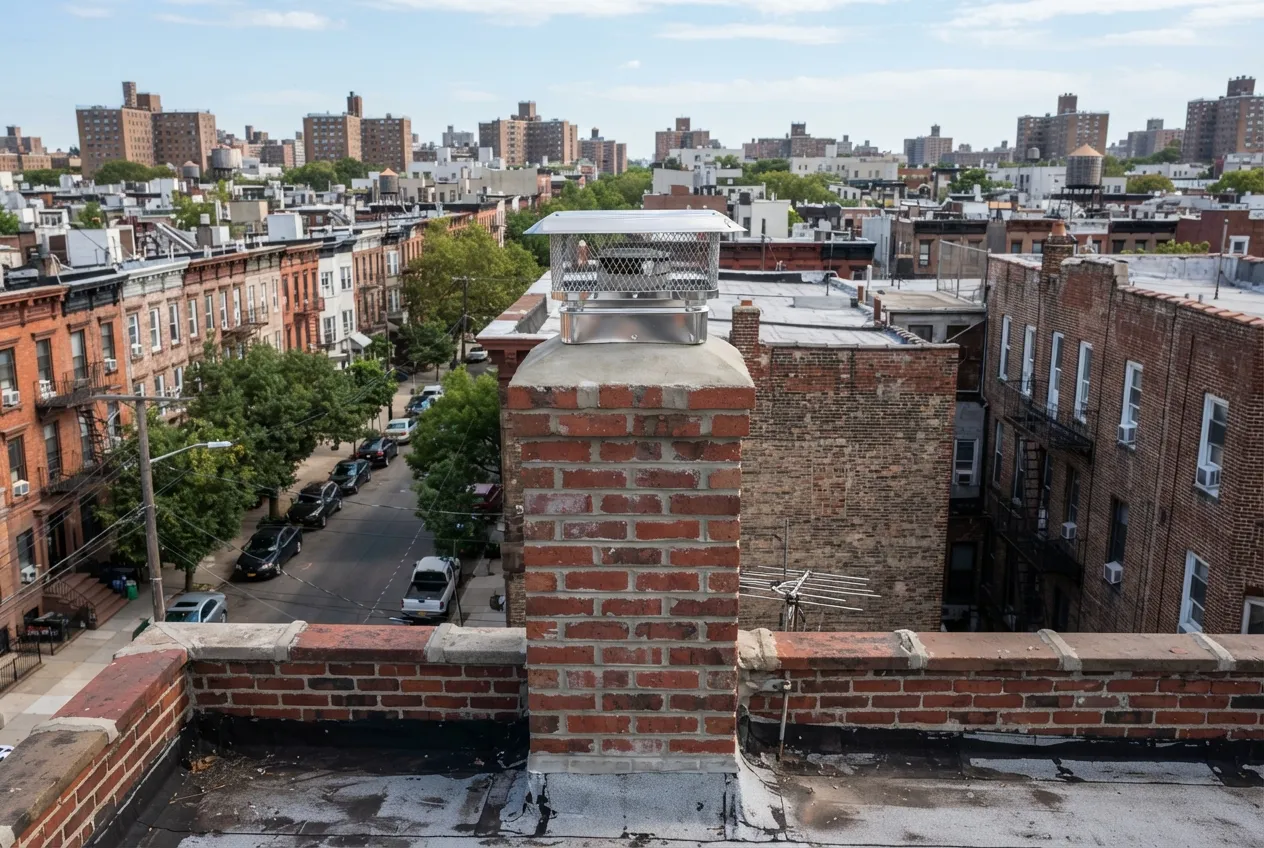
- Chimney crown, cap and flashing on the roof
- Signs of water damage, creosote buildup or animal nesting
Planning Around Heat Season
New York City's heat season runs from October 1 through May 31. During that period, building owners must keep apartments heated to the city's minimum temperatures. If a boiler flue needs repair or relining, you want to know before the season begins, not when the heat has to stay on. For many owners of Bed-Stuy rowhouses and small apartment buildings, late spring and summer are the easiest times to schedule an inspection and any follow-up work.
Fireplace owners benefit from the same timing. An inspection before the first cold snap leaves room to address any issues before you light a fire.
Serving Bed-Stuy and Nearby Neighborhoods
Because Bedford-Stuyvesant is about a mile from our Clinton Hill office, scheduling is straightforward for homes throughout 11216 and 11221. We also inspect chimneys in Crown Heights, Clinton Hill, South Williamsburg, Prospect Heights and Fort Greene, where the housing is much the same. After every inspection, we walk you through what we found in plain terms, so you can decide what to do next.
More services in Bedford-Stuyvesant
- Chimney Sweep in Bedford-Stuyvesant
- Chimney Repair in Bedford-Stuyvesant
- Air Duct Cleaning in Bedford-Stuyvesant
- Chimney Liner Installation in Bedford-Stuyvesant