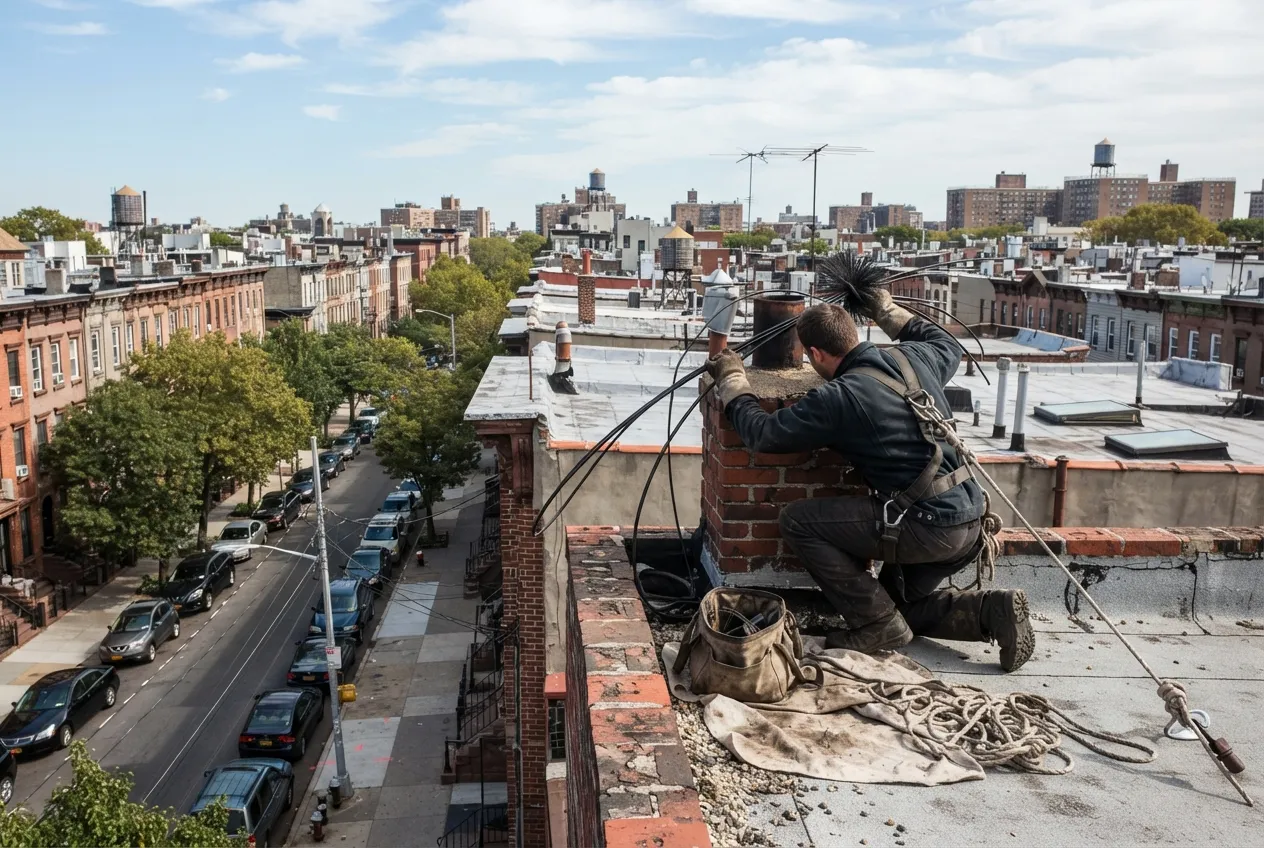
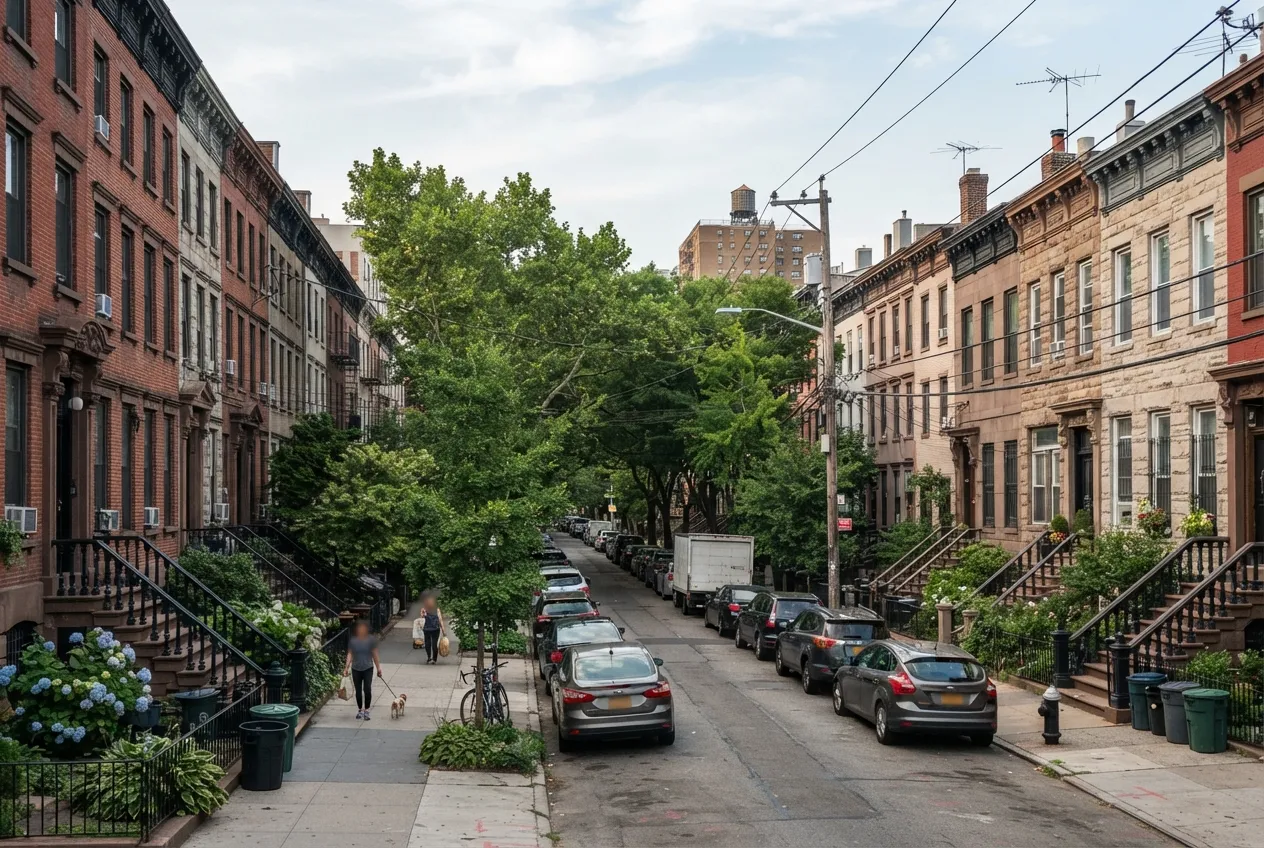
The short answer
Yes, Expert Chimney Sweep serves the Lower East Side (ZIP 10002) from our nearby Clinton Hill, Brooklyn office. We handle chimney sweeping, inspections, repairs, liners, waterproofing, fireplace and damper work, and dryer vent and air duct cleaning for the neighborhood's older masonry buildings and newer homes.
Expert Chimney Sweep cleans, inspects and repairs chimneys, fireplaces and vents across the Lower East Side, Manhattan, in ZIP code 10002. Our office in Clinton Hill, Brooklyn, is about two miles away across the East River, so the neighborhood is a short trip for our crew. You might own a rowhouse with a fireplace, manage a pre-war apartment building with a boiler chimney, or live in a unit with its own dryer vent. In each case, our certified technicians can help keep the system safe and working through the long New York heating season.
Chimneys and Vents in Lower East Side Homes
Most housing on the Lower East Side is older masonry: pre-war walk-up apartment buildings, mid-size apartment buildings and some rowhouses, mixed with newer construction. Many older buildings rely on one masonry chimney that carries exhaust from a central boiler. Some apartments and rowhouses still have fireplaces that are used only now and then or were closed off years ago.
Each setup has its own weak points. Boiler flues can build up soot or break down from the inside. Unused fireplaces often have stuck or rusted dampers and debris from nesting animals. Dryer vents in apartment buildings tend to run long distances through walls, which makes lint buildup more likely. We look at the whole system, not just the part you can see.
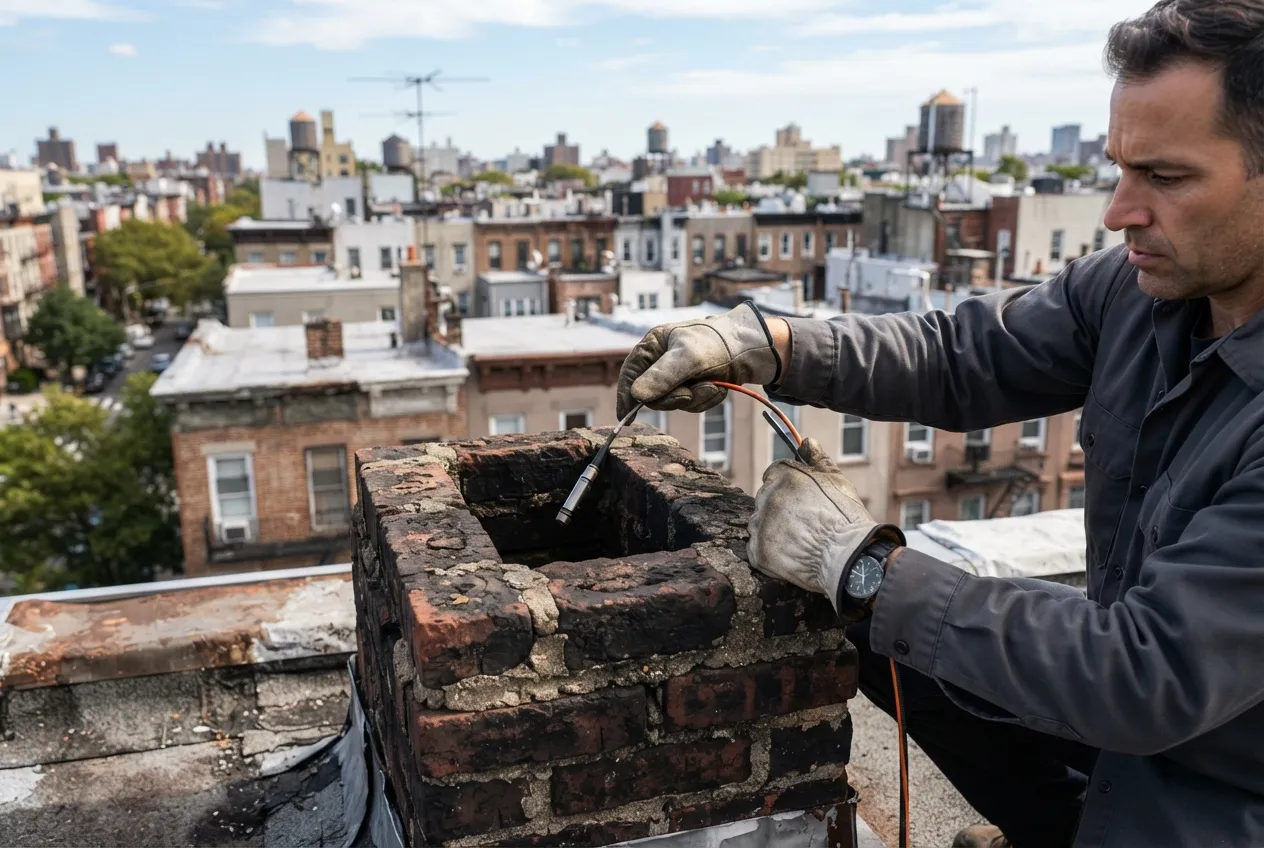
What New York Weather Does to Masonry Chimneys
Winters here bring repeated freeze-thaw cycles. Water soaks into brick and mortar, freezes, expands and slowly pushes joints apart. Wind-driven rain from coastal storms and nor'easters gets in through cracked crowns and missing caps. Humid summers can leave a fireplace with a damp, musty smell. Over time this shows up as flaking brick, loose mortar, rusted dampers and water stains near the fireplace.
New York City's heat season runs from October 1 through May 31, when building owners must keep apartments heated to the city's minimum temperatures. That means a boiler chimney works hard for eight months of the year. Late summer and early fall are the practical time to schedule cleaning, inspection and repairs, before the system is under daily load.
- Crown repairs and chimney caps keep rain, animals and debris out of the flue
- Waterproofing helps brick shed water instead of absorbing it
- Chase covers protect the tops of framed or prefabricated chimneys
Inspections, Oil-to-Gas Conversions and Liners
The NFPA 211 standard calls for chimneys, fireplaces and vents to be inspected once a year. A Level 1 inspection covers a system that hasn't changed. A Level 2 inspection is used when something changes, such as a new appliance or a switch of fuel, or when the property is sold. A Level 3 inspection is for hidden hazards that can only be reached by opening part of the chimney or building.
Fuel changes matter a lot in older Manhattan buildings. When a New York City building converts its boiler from oil to gas, the chimney has to be evaluated as part of the work. A new liner is often needed because gas exhaust produces acidic condensate that can corrode a masonry flue. We inspect the flue, explain what we find, and install a properly sized liner if one is needed.
Time for your annual chimney check?
Services We Offer on the Lower East Side
Every visit starts with a look at the condition of your system, so you know what needs attention now and what can wait.
- Chimney Sweep: removing soot, creosote and debris from the flue
- Chimney Inspection: Level 1, 2 and 3 inspections
- Chimney Repair: mortar, brick and crown repairs
- Chimney Liner Installation: new liners for damaged flues and fuel conversions
- Chimney Cap & Chase Cover: keeping water and animals out
- Chimney Waterproofing: protecting brick from freeze-thaw damage
- Fireplace & Damper Repair: fixing stuck, rusted or leaking dampers
- Chimney Rebuilding: rebuilding chimneys too damaged to patch
- Dryer Vent Cleaning: clearing lint from vent runs
- Air Duct Cleaning: removing debris, mold growth or pest contamination
Dryer Vents and Air Ducts
According to the U.S. Fire Administration, failure to clean is the leading factor contributing to clothes dryer fires in homes. If clothes take longer to dry, the laundry area feels hot, or you notice a burning smell, the vent may be clogged with lint.
For air ducts, we follow the U.S. EPA's guidance. Cleaning makes sense when there is substantial visible mold growth, vermin, or excessive dust and debris. The EPA notes that duct cleaning has not been shown to prevent health problems, so we won't claim it does. We use chemical treatments carefully and only when there's a clear reason. We also suggest researching any very cheap advertised offer before you respond.
Nearby Areas We Serve
From our Clinton Hill office we also serve Downtown Brooklyn, DUMBO, Boerum Hill, Brooklyn Heights and South Williamsburg. If you own or manage property in more than one of these neighborhoods, we can plan visits around your schedule.
ZIP codes we serve
- 10002