The short answer
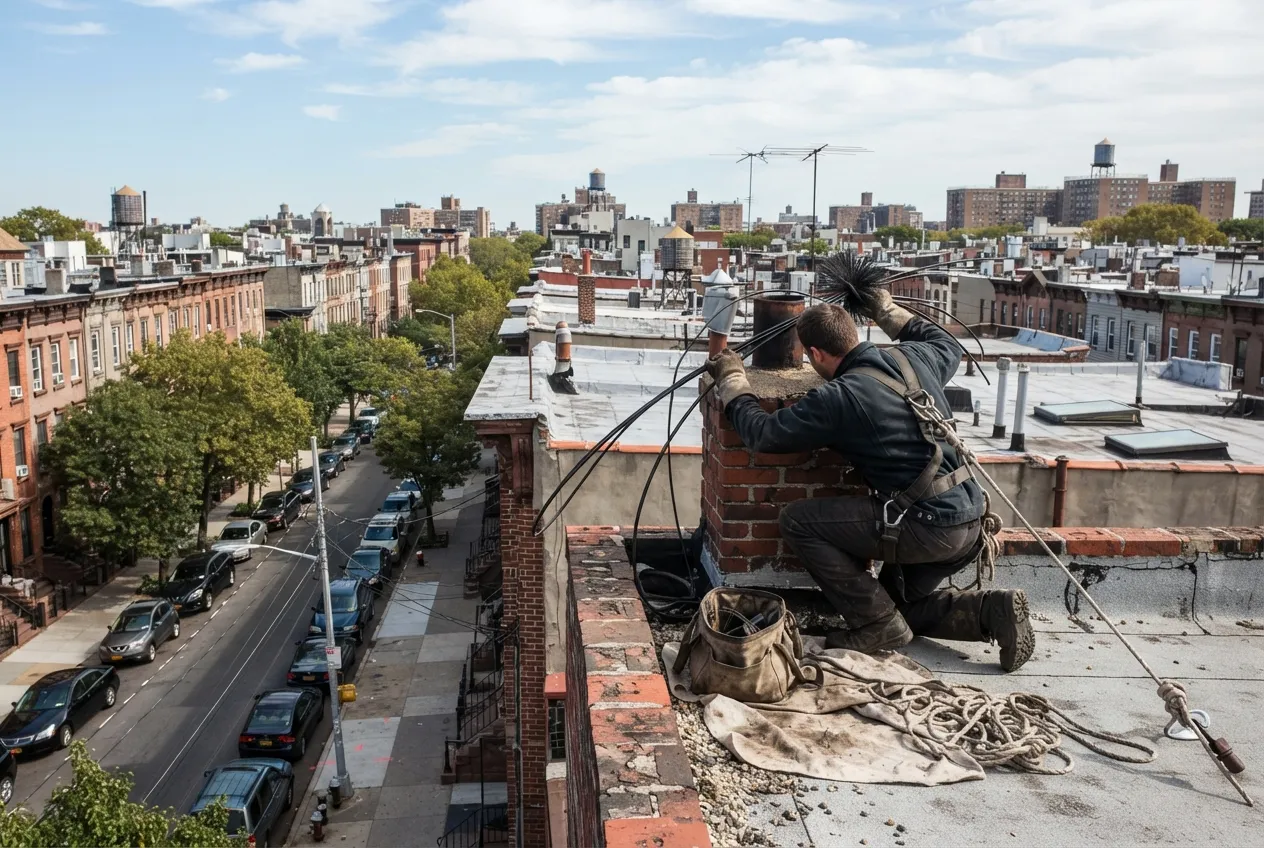
Expert Chimney Sweep serves Gowanus (11231) from our Clinton Hill office about two miles away. We offer chimney sweeping, inspection, repair, liners, waterproofing and rebuilding, plus dryer vent and air duct cleaning. We work on rowhouses, brownstones and apartment buildings.
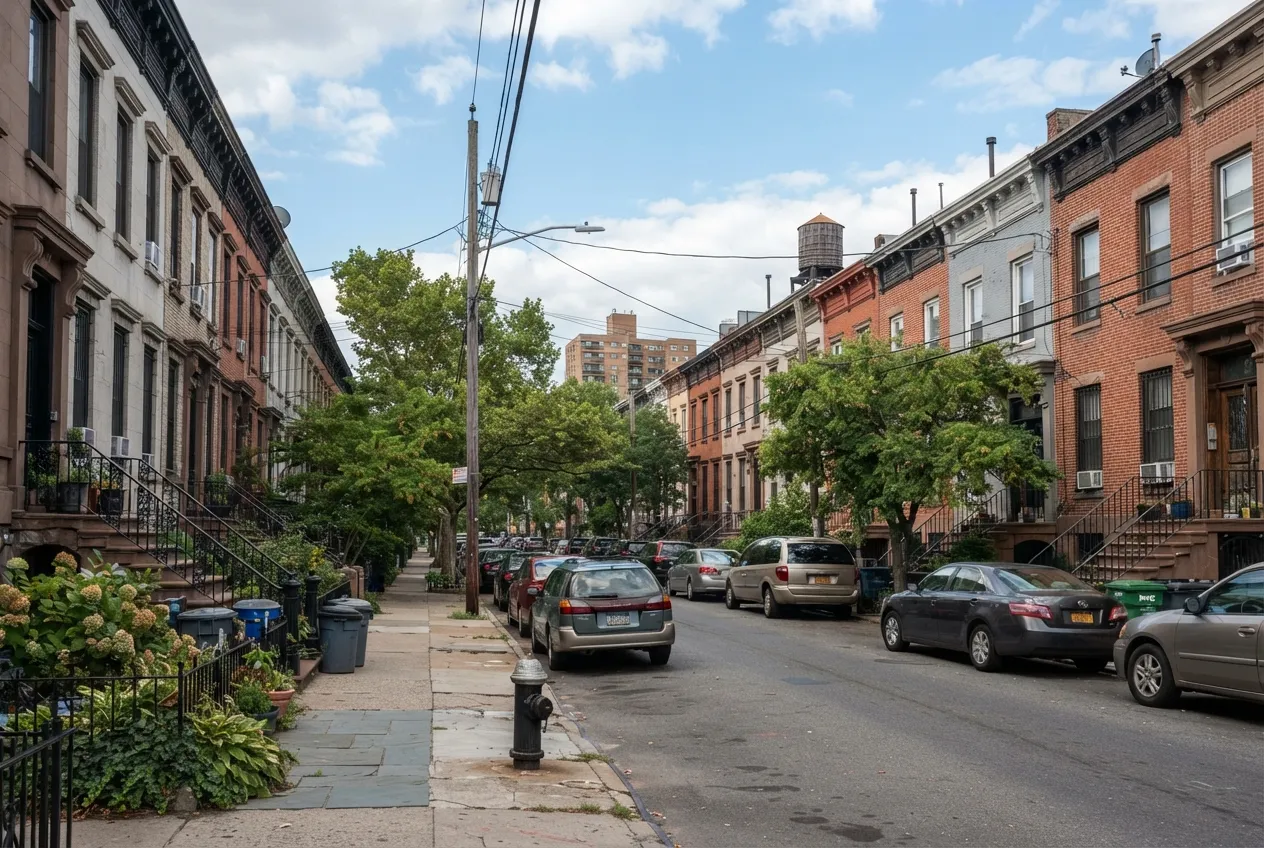
Gowanus sits about two miles west of our Clinton Hill office, so our technicians can reach homes and buildings in the 11231 ZIP code without a long trip across the borough. The neighborhood mixes older rowhouses and brownstones with pre-war apartment buildings and newer construction. Each type of building puts different demands on a chimney or vent system. We handle chimney sweeping, inspections, repairs, liner installation, waterproofing, caps and chase covers, fireplace and damper work, and full chimney rebuilds. We also clean dryer vents and air ducts. Here is what that work looks like for Gowanus properties.
What Brooklyn Weather Does to Gowanus Chimneys
Brooklyn winters bring repeated freeze-thaw cycles. Water soaks into brick and mortar joints, freezes overnight, expands, and slowly pushes material apart. Humid summers, coastal storms and wind-driven rain add to the wear, so older masonry chimneys take a steady beating. The damage usually starts small. Look for a cracked crown, loose bricks near the top, or white staining on the outside of the stack.
On rowhouses and brownstones, the chimney often runs through a shared wall and may serve several fireplaces or an old heating flue. Water that gets in at the top can show up as stains on an upper-floor ceiling or peeling paint beside a fireplace. A repair or waterproofing treatment done early is far less disruptive than rebuilding the top of the stack later.
Annual Inspections and Liner Work
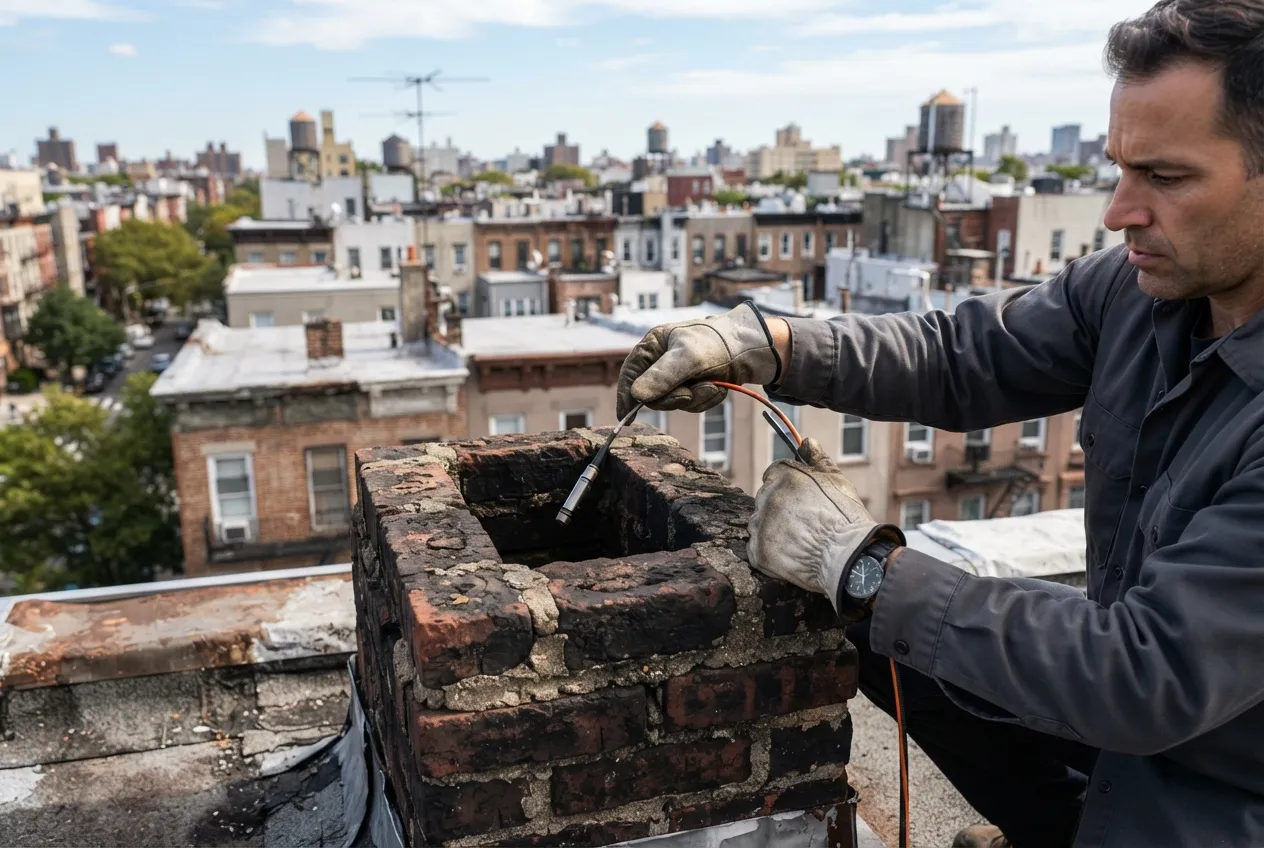
The NFPA 211 standard calls for chimneys, fireplaces and vents to be inspected once a year. We follow that schedule and pick the inspection level that fits your situation.
Many Gowanus buildings have converted their boilers from oil to gas, or plan to. In New York City, the chimney has to be evaluated as part of that conversion, and a new liner is often needed. Gas exhaust produces acidic condensate that can corrode a masonry flue from the inside. Our certified technicians can inspect the flue, explain what the conversion calls for, and install a properly sized liner.
- Level 1: a routine yearly check when nothing about the system has changed.
- Level 2: when you add a new appliance, switch fuels, or buy or sell the home.
- Level 3: when a suspected hidden hazard can only be reached by opening part of the chimney or building.
Repairs That Keep Water and Animals Out
Most chimney problems in older Brooklyn housing trace back to water, and sometimes to birds or squirrels. Our repair work focuses on the parts that take the hit first.
- Chimney caps that block rain, debris and animals from entering the flue.
- Chase covers for framed chimneys on newer or renovated buildings.
- Waterproofing that lets masonry release moisture while shedding rain.
- Repointing, crown repair and other masonry fixes before small cracks spread.
- Fireplace and damper repair so the fireplace seals when not in use and drafts properly when it is.
- Chimney rebuilding when bricks above the roofline are too far gone to patch.
Time for your annual chimney check?
Dryer Vent and Air Duct Cleaning
According to the U.S. Fire Administration, failure to clean is the leading factor in home clothes dryer fires. In rowhouses and apartments, dryer vents often run long distances or through tight walls, where lint builds up quickly. If clothes take longer to dry or the laundry area feels hot, the vent is likely due for cleaning.
For air ducts, we follow the U.S. EPA's guidance. Cleaning makes sense when there is substantial visible mold, signs of vermin, or excessive dust and debris. The EPA notes that duct cleaning has not been shown to prevent health problems. It also urges caution with very cheap advertised offers and with chemical treatments, so we'll tell you plainly whether your ducts need cleaning.
Scheduling Around Heat Season
New York City's heat season runs from October 1 through May 31. During that time, building owners must keep apartments heated to the city's minimum temperatures. For landlords and co-op boards, that makes late summer and early fall the practical window for inspections, liner work and repairs. Once the boiler has to run, the chimney needs to be ready. Homeowners with fireplaces benefit from the same timing.
Beyond Gowanus, we also serve nearby Carroll Gardens, Park Slope, Brooklyn Heights, Downtown Brooklyn and DUMBO.
ZIP codes we serve
- 11231