The short answer
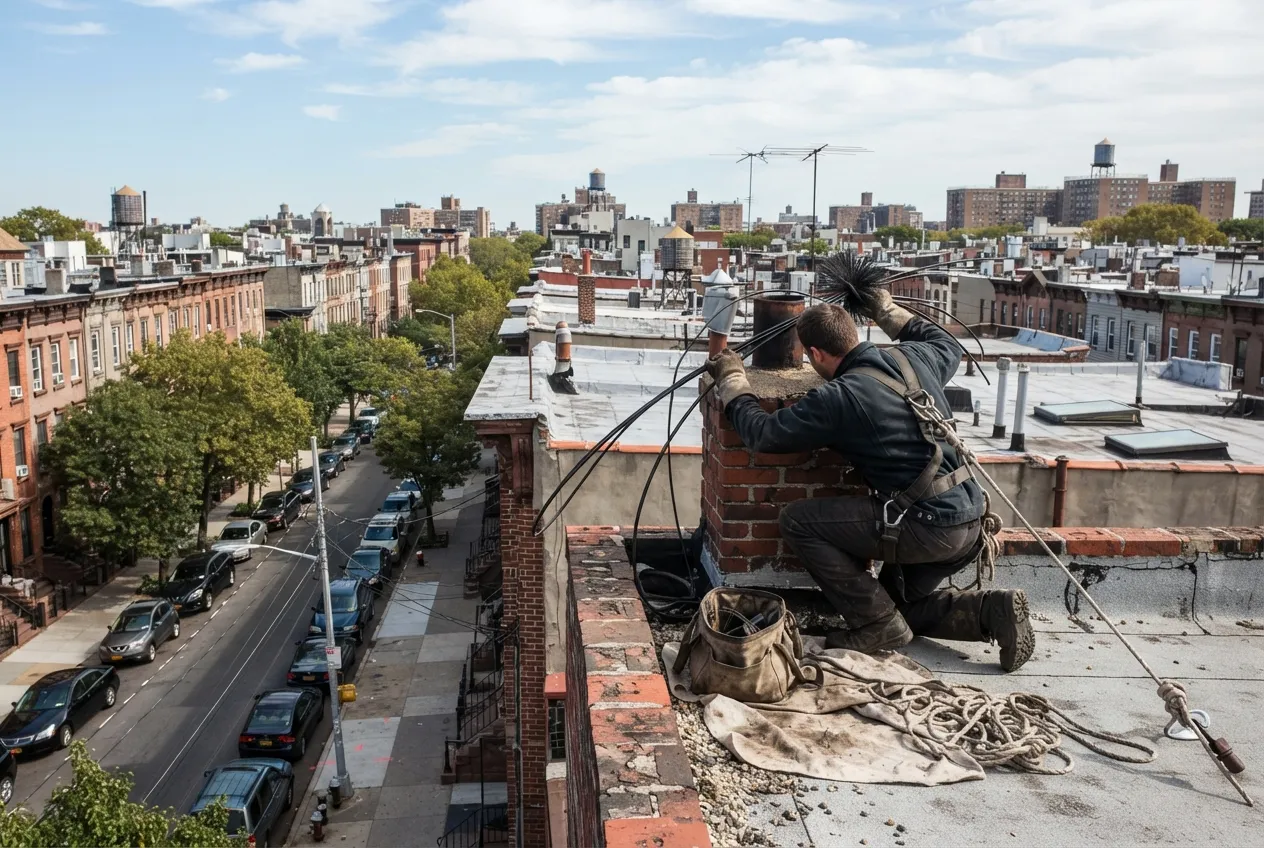
Yes, Expert Chimney Sweep serves Bushwick, Brooklyn, including ZIP 11237, from our Clinton Hill office about 3 miles away. We handle chimney sweeping, inspections, repairs, liners, caps, waterproofing, and dryer vent and air duct cleaning for rowhouses, apartment buildings and detached homes.
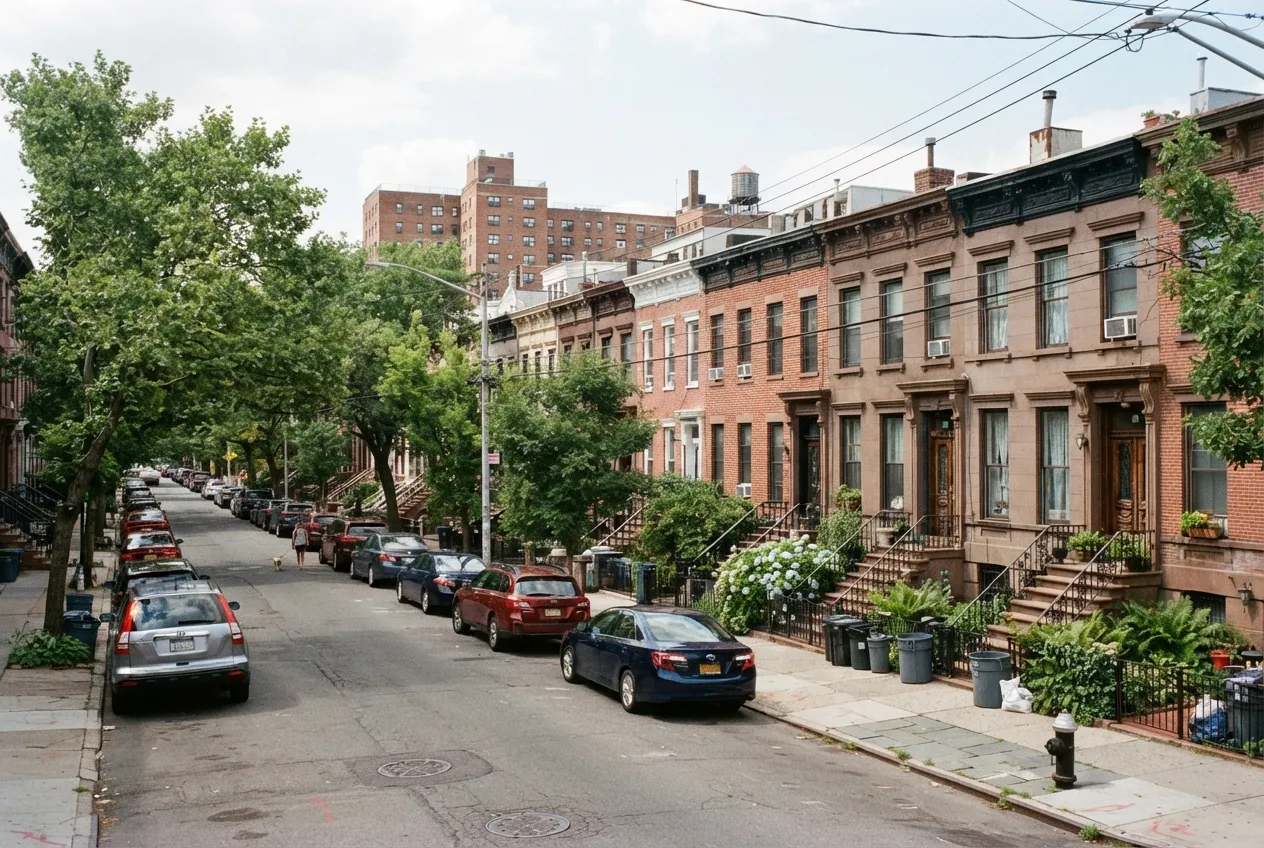
Expert Chimney Sweep serves homeowners, landlords and building managers in Bushwick, Brooklyn (ZIP 11237). Our office in Clinton Hill is about 3 miles west, so reaching your home is a short trip across Brooklyn. Bushwick's housing includes brick rowhouses, older frame houses, pre-war apartment buildings and converted industrial spaces. Many still rely on masonry chimneys built long before today's boilers, furnaces and water heaters. We clean, inspect and repair those chimneys, and we also clean dryer vents and air ducts, so one visit can cover the venting issues most likely to affect your building.
Services Available in Bushwick
Our certified technicians work on wood-burning fireplaces, gas appliances and the boiler and furnace flues found in Bushwick's older buildings. Here is what we offer in the neighborhood:
- Chimney Sweep: removing soot, creosote and debris from the flue and smoke chamber.
- Chimney Inspection: checking the flue, liner, masonry and connections, inside and out.
- Chimney Repair: fixing cracked crowns, loose bricks and worn mortar joints.
- Chimney Liner Installation: relining flues for gas, oil or wood appliances.
- Chimney Cap & Chase Cover: keeping out rain, snow, birds and squirrels.
- Chimney Waterproofing: applying a breathable sealant to reduce water absorption in brick.
- Fireplace & Damper Repair: restoring dampers that stick, leak air or won't seal.
- Chimney Rebuilding: rebuilding chimney sections that are too damaged to patch.
- Dryer Vent Cleaning: clearing lint from the full length of the vent run.
- Air Duct Cleaning: removing heavy dust, debris or contamination from ductwork.
How Brooklyn Weather Wears Down Chimneys
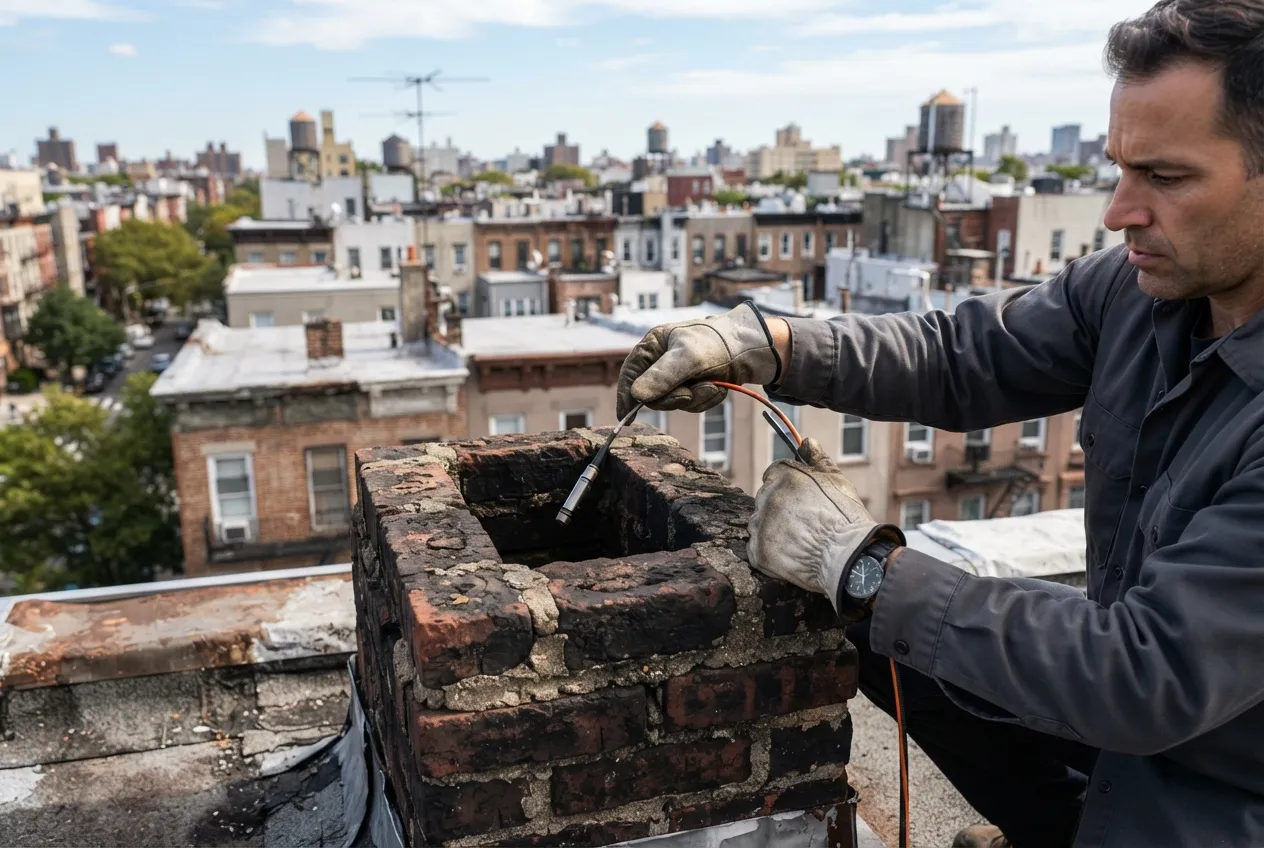
Winters in Brooklyn swing above and below freezing again and again. When water soaks into brick and mortar and then freezes, it expands and pushes the masonry apart. Over a few seasons that shows up as crumbling joints, flaking brick faces and cracked chimney crowns. Wind-driven rain and snow from coastal storms find those weak spots quickly, and humid summers keep moisture in the masonry.
A cap and a sound crown are the first line of defense, followed by repointing and waterproofing where the brick is absorbing water. On rowhouses and apartment buildings, chimney tops are often shared or hard to see from the street, so problems can go unnoticed until a stain appears on an inside wall or ceiling. If you see water marks near the chimney breast, efflorescence on the brick or pieces of masonry on the roof, have it looked at before the next freeze.
Older Buildings, Heat Season and Oil-to-Gas Conversions
New York City's heat season runs from October 1 through May 31, and building owners must keep apartments heated to the city's minimum temperatures during that time. For a Bushwick building owner, a blocked or failing flue in January is more than an inconvenience. Scheduling chimney work in late summer or early fall keeps the heating system ready before the season starts.
Many older buildings in the neighborhood have converted, or plan to convert, from oil to gas. When a New York City building makes that switch, the chimney must be evaluated as part of the work. A new liner is often needed, because gas exhaust produces acidic condensate that can corrode an unlined or worn masonry flue. We inspect the flue, confirm whether it can safely handle the new appliance, and install a properly sized liner when one is needed.
Time for your annual chimney check?
Annual Inspections and Which Level You Need
The NFPA 211 standard calls for chimneys, fireplaces and vents to be inspected once a year. Chimney professionals use three inspection levels. A Level 1 inspection fits when nothing about the system has changed. A Level 2 inspection is called for when the system changes, such as a new appliance or a switch of fuel, or when the home is sold. A Level 3 inspection is used when a hidden hazard has to be reached by opening part of the chimney or building.
Most Bushwick homeowners need a Level 1 each year. Buyers and anyone changing a boiler or furnace usually need a Level 2, which includes a camera inspection of the flue.
Dryer Vents and Air Ducts
According to the U.S. Fire Administration, failure to clean is the leading factor contributing to clothes dryer fires in homes. Long or crowded vent runs in apartments and rowhouses collect lint fast, so if clothes take more than one cycle to dry, the vent likely needs cleaning.
For air ducts, we follow the U.S. EPA's guidance: cleaning makes sense when there is substantial visible mold growth, vermin, or excessive dust and debris. The EPA notes duct cleaning has not been shown to prevent health problems, so we will tell you plainly whether your ducts need it. We do not apply chemical treatments without explaining them first.
ZIP codes we serve
- 11237